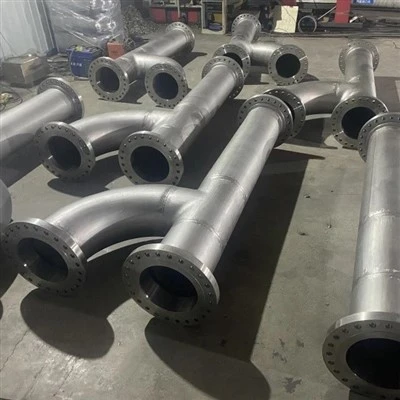
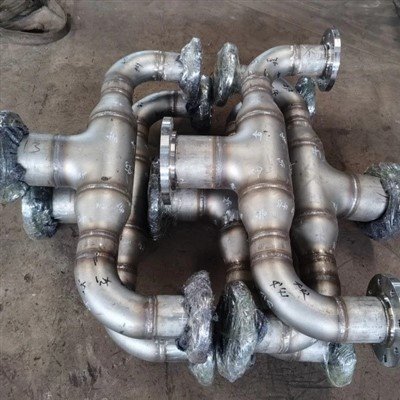
316H stainless steel is a high-performance variant engineered for elevated temperature service. This austenitic stainless steel, designated UNS S31609, is a modification of the standard 316 grade with increased carbon content, typically ranging from 0.04% to 0.10%.

In our factory, we produce 316H in various forms-bars, plates, pipes, and sheets-ensuring compliance with standards such as ASTM A240 and ASME SA240. Understanding its chemical, physical, and mechanical attributes is crucial for buyers seeking reliable materials that deliver long-term value.
316H Stainless Steel Chemical Composition
The chemical composition of 316H stainless steel is meticulously balanced to optimize performance in corrosive and high-temperature settings. Key elements include carbon (C) at 0.04-0.10%, manganese (Mn) up to 2.00%, silicon (Si) up to 0.75-1.00%, phosphorus (P) ≤0.045%, sulfur (S) ≤0.030%, chromium (Cr) 16.00-18.00%, nickel (Ni) 10.00-14.00%, and molybdenum (Mo) 2.00-3.00%, with iron (Fe) as the balance.
Carbon's elevated level is the defining feature, promoting carbide precipitation that bolsters high-temperature strength but requires careful heat treatment to avoid embrittlement. Chromium forms a passive oxide layer, shielding against oxidation, while nickel stabilizes the austenitic structure, ensuring toughness even at cryogenic levels.

Molybdenum significantly improves resistance to chloride-induced pitting and crevice corrosion, outperforming 304 grades in acidic media. In our production processes, we tightly control these elements through vacuum melting and spectroscopic analysis to minimize impurities, resulting in a material that resists degradation in environments laden with halides, acids, and alkalis.
In chemical plants, 316H withstands sulfuric, phosphoric, and acetic acids better than lower-molybdenum alloys, reducing downtime and replacement frequency. For instance, phosphorus and sulfur are capped to enhance weldability and prevent hot cracking during fabrication.
Overall, the chemical properties of 316H position it as a cost-effective choice for applications where standard 316 might falter, offering a persuasive blend of durability and versatility that our clients in Europe and North America consistently praise.
316H Stainless Steel Physical Properties
316H stainless steel exhibits physical properties that support its use in structurally demanding and thermally variable applications. Its density is approximately 7.98-8.00 g/cm³. The melting range spans 1370-1400°C, allowing it to maintain integrity in furnaces and boilers without softening prematurely.
Thermal conductivity stands at about 16.3 W/m·K at room temperature, facilitating efficient heat transfer in exchangers and piping systems. The coefficient of thermal expansion is 16.0-18.0 × 10⁻⁶/°C from 20 to 1000°C, which is stable and minimizes warping during thermal cycling. Electrical resistivity measures around 74 µΩ·cm at 20°C, useful for applications involving electromagnetic fields. Specific heat capacity is 500 J/kg·K, aiding in energy absorption without rapid temperature spikes.
In our factory, we leverage these attributes to produce precision components that outperform competitors in thermal stability. For example, its low magnetic permeability suits it for sensitive instrumentation.
316H Stainless Steel Mechanical Properties
The mechanical prowess of 316H stainless steel is what truly sets it apart, particularly in high-stress, elevated-temperature scenarios. At room temperature, it boasts a minimum tensile strength of 515 MPa (75 ksi) and yield strength of 205 MPa (30 ksi), with elongation at break exceeding 40% and hardness up to 95 HRB or 217 HB. The modulus of elasticity is approximately 200 GPa, indicating excellent stiffness.

What persuades many clients is its superior creep and rupture strength at temperatures above 500°C. For instance, at 650°C, creep strength remains robust due to the higher carbon content, which forms strengthening carbides. This contrasts with 316L, where lower carbon limits high-temperature endurance. Fatigue resistance is also noteworthy, with endurance limits supporting cyclic loading in turbines and reactors.
In the annealed condition, 316H offers a balance of ductility and strength, allowing cold working to further enhance yield without brittleness. Our factory's heat treatment protocols-solution annealing at 1040-1100°C followed by rapid quenching-optimize these properties, ensuring uniform microstructure.
By selecting 316H, industries achieve enhanced safety margins, as its mechanical stability prevents catastrophic failures, translating to persuasive economic benefits like extended intervals between inspections and repairs.
316H Stainless Steel Corrosion Resistance
Corrosion resistance is a cornerstone property of 316H, enhanced by molybdenum and chromium. It excels against pitting and crevice corrosion in chloride environments, with a PREN around 25-30, superior to 304's. In acidic media like sulfuric acid up to 20% concentration, it maintains passivity up to boiling points.

However, the higher carbon can lead to sensitization if not properly annealed, potentially causing intergranular corrosion in weld zones. Our production mitigates this through controlled cooling and optional stabilization.
This resistance persuades adoption in marine, pharmaceutical, and food processing, where contamination risks are high. 316H's ability to withstand hypochlorites, brines, and sulfites without degradation ensures longevity, making it a clear, cost-saving upgrade over less resistant alloys.
316H Stainless Steel High-Temperature Performance
At elevated temperatures, 316H's properties shine, with oxidation resistance up to 900°C in continuous service and 925°C intermittently. Short-term creep strength surpasses 316, ideal for boilers and exhaust systems.
This performance is persuasive for power generation, where reliability under heat prevents outages.
As a product manager who has overseen thousands of tons of 316H production and delivery to global customers, I can attest that this material consistently delivers on its performance promises when properly specified and processed.