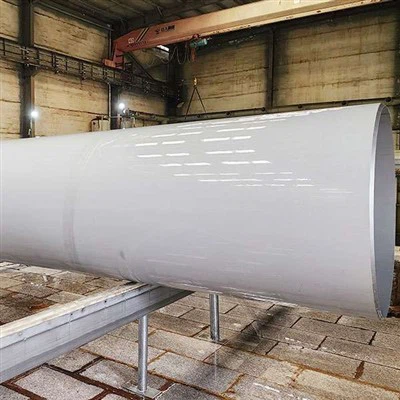
Hey there! As a supplier of UNS S30403, I often get asked about the best welding methods for this material. UNS S30403, also known as Stainless Steel 304L, is a popular choice in many industries due to its excellent corrosion resistance, good formability, and relatively low cost. If you're interested in the details of this material, you can check out Stainless Steel 304L / UNS S30403 / 1.4306, 1.4307.
Let's dive into the welding methods that work well with UNS S30403.
TIG Welding (Gas Tungsten Arc Welding - GTAW)
TIG welding is a top - notch choice for welding UNS S30403. It offers precise control over the welding process, which is great when you need high - quality welds. In TIG welding, an inert gas (usually argon) is used to shield the weld area from atmospheric contamination. This is crucial because any contamination can lead to porosity or reduced corrosion resistance in the weld.
One of the main advantages of TIG welding UNS S30403 is the clean and aesthetically pleasing welds it produces. You can achieve very fine and detailed welds, which is important for applications where appearance matters, like in architectural or decorative projects.
The process also allows for welding thin sheets of UNS S30403 without overheating them. Since TIG welding uses a non - consumable tungsten electrode, you have better control over the heat input. However, it's a relatively slow process compared to some other methods, and it requires a high level of skill from the welder.
MIG Welding (Gas Metal Arc Welding - GMAW)
MIG welding is another widely used method for welding UNS S30403. It's faster than TIG welding, making it a great option for large - scale production. In MIG welding, a consumable wire electrode is fed through the welding gun, and an inert or semi - inert gas (such as argon - carbon dioxide mixtures) is used for shielding.


The speed of MIG welding is a major advantage. If you have a lot of parts to weld, you can get the job done much quicker compared to TIG. It's also relatively easy to learn, so it's a good choice for less experienced welders.
However, MIG welding may not produce the same level of precision as TIG. The welds may be a bit rougher, and there's a higher risk of spatter. But with the right settings and proper shielding gas, you can still achieve good - quality welds on UNS S30403.
Stick Welding (Shielded Metal Arc Welding - SMAW)
Stick welding is a versatile method that can also be used for welding UNS S30403. It's a simple and portable process, which makes it suitable for on - site repairs or in situations where you don't have access to more advanced welding equipment.
In stick welding, a flux - coated electrode is used. The flux creates a shielding gas as it burns, protecting the weld from the atmosphere. One of the advantages of stick welding is its ability to work in less - than - ideal conditions. You can use it outdoors or in dirty environments.
But stick welding has its drawbacks. The welds may not be as smooth as those produced by TIG or MIG. There's also more slag to clean up after welding. And the process is not as efficient as MIG or TIG for large - scale production.
Plasma Arc Welding (PAW)
Plasma arc welding is a high - energy welding process that's similar to TIG welding but with some key differences. It can produce very high - quality welds on UNS S30403. The plasma arc is more focused and has a higher energy density than the TIG arc.
This allows for deeper penetration and faster welding speeds compared to TIG in some cases. Plasma arc welding is also very precise, and it can be used for welding thin or thick sections of UNS S30403. However, it requires specialized equipment, which can be expensive. And like TIG, it demands a skilled operator.
Factors to Consider When Choosing a Welding Method
Apart from the characteristics of the welding methods themselves, there are several factors you need to consider when choosing the right one for welding UNS S30403.
Material Thickness
If you're working with thin sheets of UNS S30403, TIG or plasma arc welding may be the best choices as they offer better control over heat input and can prevent warping. For thicker materials, MIG or stick welding might be more suitable as they can provide the necessary penetration.
Weld Quality Requirements
If you need high - quality, aesthetically pleasing welds with excellent corrosion resistance, TIG or plasma arc welding are better options. But if you're more concerned about speed and cost - effectiveness, MIG or stick welding could be the way to go.
Welding Environment
The environment in which you'll be welding also matters. If you're working outdoors or in a dirty environment, stick welding may be more practical. For indoor, controlled environments, TIG, MIG, or plasma arc welding can be used more effectively.
Pre - Welding and Post - Welding Considerations
Before welding UNS S30403, it's important to clean the material thoroughly. Any dirt, oil, or grease on the surface can cause problems during welding, such as porosity or poor fusion. You can use solvents or mechanical cleaning methods to prepare the surface.
After welding, proper post - welding treatment is also crucial. This may include cleaning the weld area to remove any slag or spatter. Heat treatment may also be required in some cases to relieve residual stresses and improve the corrosion resistance of the weld.
If you're looking for other related stainless steel materials, you might be interested in Stainless Steel 316L Mod / UNS S31603 / 1.4435 or Stainless Steel 316 / UNS S31600 / 1.4401. These materials have different properties and applications, and they can be used in combination with UNS S30403 in some projects.
In conclusion, choosing the right welding method for UNS S30403 depends on various factors. Whether you're a small - scale fabricator or a large - scale manufacturer, understanding these welding methods and their pros and cons can help you achieve the best results.
If you're in the market for high - quality UNS S30403 and need more advice on welding or any other aspects related to this material, don't hesitate to reach out. We're here to help you make the right choices and ensure your projects are a success. Let's start a conversation about your procurement needs and see how we can work together!
References
- ASME Boiler and Pressure Vessel Code
- AWS Welding Handbook
- Various technical documents from stainless steel manufacturers