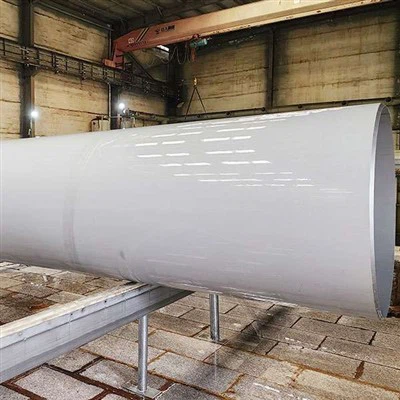
Hey there! As a supplier of UNS S31254, I've seen firsthand how important it is to store this super cool stainless steel properly. UNS S31254, also known as 6Mo stainless steel, is a high-performance alloy with excellent corrosion resistance and strength. But if you don't store it right, you could run into some problems that might affect its quality. So, let's dive into what precautions you should take when storing UNS S31254.
Keep It Clean
First things first, cleanliness is key. Before you store UNS S31254, make sure it's clean. Any dirt, grease, or other contaminants on the surface can lead to corrosion over time. You can use a mild detergent and water to clean the material, followed by a thorough rinse and dry. Avoid using abrasive cleaners or tools that could scratch the surface, as scratches can create areas where corrosion can start.


Choose the Right Storage Location
The location where you store UNS S31254 matters a lot. It should be a dry and well-ventilated area. Moisture is the enemy of stainless steel, and if the storage area is damp, it can cause rust and other forms of corrosion. A warehouse with proper climate control is ideal. If you're storing it outdoors, make sure it's covered with a waterproof tarp to protect it from rain and snow.
Also, try to keep it away from sources of heat and direct sunlight. High temperatures can affect the properties of the stainless steel, and prolonged exposure to sunlight can cause discoloration.
Separate from Other Metals
UNS S31254 should be stored separately from other metals, especially those that are more reactive. When different metals come into contact in the presence of moisture, it can create a galvanic cell, which leads to accelerated corrosion. For example, if you store UNS S31254 next to carbon steel, the carbon steel will corrode faster, and it can also affect the UNS S31254.
If you need to store different metals in the same area, use non-conductive materials like wood or plastic to separate them. This will prevent any electrical contact between the metals and reduce the risk of galvanic corrosion.
Protect the Surface
To further protect the surface of UNS S31254, you can use a protective coating. There are various types of coatings available, such as waxes and oils, that can create a barrier between the stainless steel and the environment. These coatings can help prevent corrosion and keep the material in good condition.
When applying a coating, make sure to follow the manufacturer's instructions. Apply it evenly and allow it to dry completely before storing the material.
Check Regularly
Even if you've taken all the necessary precautions, it's still important to check the stored UNS S31254 regularly. Look for any signs of corrosion, such as rust spots or discoloration. If you notice any problems, take action immediately. You might need to clean the surface again or reapply the protective coating.
Stacking and Handling
How you stack and handle UNS S31254 during storage also matters. When stacking, make sure the material is stable and won't fall or shift. Use proper supports to prevent bending or warping. If the material is in the form of sheets or plates, stack them flat and evenly to avoid any stress on the edges.
When handling the material, use appropriate lifting equipment and techniques. Avoid dropping or hitting the material, as this can cause damage to the surface and potentially affect its performance.
Documentation
Keep detailed records of the storage conditions and any inspections you've done. This documentation can be useful if there are any issues with the material later on. It can also help you identify trends and make improvements to your storage practices.
Related Alloys
If you're interested in other stainless steel alloys, you might want to check out Stainless Steel 321H / UNS S32109 / 1.4878, Stainless Steel 17-4PH / UNS S17400 / 1.4542, and Stainless Steel 304L / UNS S30403 / 1.4306, 1.4307. Each of these alloys has its own unique properties and storage requirements.
Conclusion
Storing UNS S31254 properly is crucial to maintain its quality and performance. By keeping it clean, choosing the right storage location, separating it from other metals, protecting the surface, checking regularly, and handling it correctly, you can ensure that your UNS S31254 stays in great condition for a long time.
If you're in the market for UNS S31254 or have any questions about its storage or other aspects, feel free to reach out. We're here to help you with all your stainless steel needs.
References
- "Stainless Steel Handbook"
- Various industry standards and guidelines for stainless steel storage.