What is the thermal conductivity of UNS S30403?
Hey there! As a supplier of UNS S30403, I often get asked about the thermal conductivity of this material. So, I thought I'd write a blog post to share some insights on this topic.
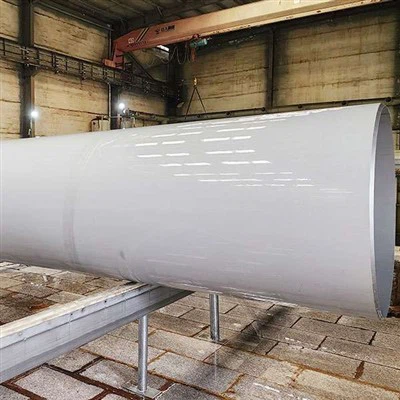
First off, let's talk a bit about UNS S30403. It's a type of austenitic stainless steel, which is known for its excellent corrosion resistance, good formability, and high toughness. It's widely used in various industries, including food processing, chemical, and architectural applications.
Now, let's dive into the thermal conductivity of UNS S30403. Thermal conductivity is a measure of a material's ability to conduct heat. In simple terms, it tells us how well heat can flow through a material. For UNS S30403, its thermal conductivity is relatively low compared to some other metals.
The thermal conductivity of UNS S30403 typically ranges from about 16 - 17 W/(m·K) at room temperature (around 20 - 25°C). This value can change depending on a few factors. One of the main factors is temperature. As the temperature increases, the thermal conductivity of UNS S30403 also increases, but not in a linear way. At higher temperatures, the rate of increase in thermal conductivity slows down.
Another factor that can affect the thermal conductivity is the microstructure of the material. If the UNS S30403 has been heat - treated or has impurities, it can slightly alter the way heat is conducted through the material. For example, if there are inclusions or a non - uniform grain structure, it can impede the flow of heat and reduce the overall thermal conductivity.
Why is the thermal conductivity of UNS S30403 important? Well, in applications where heat transfer needs to be controlled, this property plays a crucial role. In the food processing industry, for instance, when you're making equipment like heat exchangers, you need to know how well the material can transfer heat. A low thermal conductivity might be beneficial in some cases where you want to minimize heat loss or gain. On the other hand, in applications where rapid heat transfer is required, you might need to consider other materials or use additional heat - transfer enhancement techniques.
If you're comparing UNS S30403 with other stainless steels, it's interesting to look at some related alloys. For example, Stainless Steel 321H / UNS S32109 / 1.4878 and Stainless Steel 321 / UNS S32100 / 1.4541 have different thermal conductivity values. These alloys are also austenitic stainless steels, but they have different compositions, which result in different thermal properties. The addition of titanium in these alloys can affect their thermal conductivity and other performance characteristics.
Another alloy worth mentioning is Stainless Steel 17 - 4PH / UNS S17400 / 1.4542. It's a precipitation - hardening stainless steel, and its thermal conductivity is also different from UNS S30403. The heat - treatment process used for 17 - 4PH can significantly change its thermal and mechanical properties.
As a supplier of UNS S30403, I can assure you that we provide high - quality material with consistent thermal conductivity characteristics. We have strict quality control measures in place to ensure that the material we supply meets the required standards. Whether you need small quantities for a research project or large volumes for an industrial application, we've got you covered.
If you're in the market for UNS S30403 and want to know more about its thermal conductivity or any other properties, feel free to reach out. We're here to help you make the right choice for your project. Our team of experts can provide you with detailed technical information and assist you in the procurement process. So, don't hesitate to contact us for a quote or to discuss your specific requirements.
In conclusion, understanding the thermal conductivity of UNS S30403 is essential for anyone using this material in heat - related applications. It's a property that can impact the performance and efficiency of your equipment. With our high - quality UNS S30403, you can be confident in achieving the desired results in your projects.
References:


- ASM Handbook Volume 1: Properties and Selection: Irons, Steels, and High - Performance Alloys
- "Stainless Steel Handbook" by George E. Totten and D. Scott MacKenzie