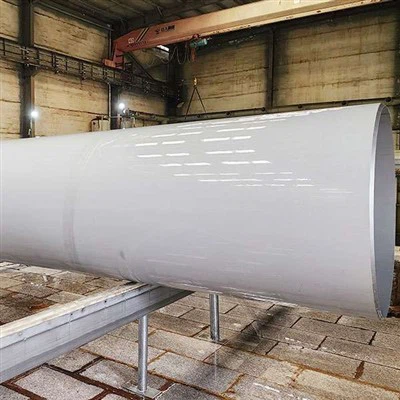
Hey there! As a supplier of UNS S31603, I've been getting a lot of questions lately about its resistance to hydrogen embrittlement. So, I thought I'd take a deep dive into this topic and share what I've learned.
First off, let's talk about what hydrogen embrittlement is. In simple terms, it's a phenomenon where hydrogen atoms get into a metal and make it more brittle. This can lead to cracks and failures in the material, which is obviously a big deal, especially in industries where safety and reliability are crucial.
Now, let's get into UNS S31603. UNS S31603 is a low-carbon version of the popular Stainless Steel 316 / UNS S31600 / 1.4401. The "L" in its name stands for "low carbon," and this small difference can have a big impact on its properties. One of the key features of UNS S31603 is its excellent corrosion resistance, which makes it a go-to choice for a wide range of applications, from food processing to chemical manufacturing.
But what about its resistance to hydrogen embrittlement? Well, the good news is that UNS S31603 generally has a pretty good resistance to this issue. The austenitic structure of this stainless steel plays a big role here. Austenite is a non-magnetic phase of steel that has a face-centered cubic (FCC) crystal structure. This structure is relatively open and allows for the movement of atoms, which means that hydrogen atoms are less likely to get trapped and cause embrittlement.
Another factor that contributes to its resistance is the presence of nickel and molybdenum in its composition. Nickel helps to stabilize the austenitic structure, making it more resistant to phase changes that could lead to embrittlement. Molybdenum, on the other hand, enhances the corrosion resistance of the steel, which can indirectly reduce the risk of hydrogen embrittlement. When a material is corroded, it can create pathways for hydrogen to enter the metal, so by preventing corrosion, molybdenum helps to keep hydrogen out.
However, it's important to note that no material is completely immune to hydrogen embrittlement. The resistance of UNS S31603 can be affected by a number of factors, such as the environment it's in, the level of stress it's under, and the presence of other elements or contaminants.
For example, in high-pressure hydrogen environments, the risk of embrittlement can increase. Hydrogen gas can dissociate into hydrogen atoms on the surface of the metal, and these atoms can then diffuse into the material. If the pressure is high enough, more hydrogen atoms can enter the metal, increasing the likelihood of embrittlement.
Stress is another important factor. When a material is under stress, it can create microcracks and dislocations in the metal. These areas are more likely to trap hydrogen atoms, which can then lead to crack growth and failure. So, if UNS S31603 is used in applications where it will be subjected to high levels of stress, extra precautions may need to be taken to prevent hydrogen embrittlement.
The presence of other elements or contaminants can also have an impact. For instance, sulfur and phosphorus are known to be harmful to the resistance of stainless steels to hydrogen embrittlement. These elements can form compounds that can act as sites for hydrogen trapping, increasing the risk of embrittlement.
To compare, let's look at some other stainless steels. Stainless Steel 304L / UNS S30403 / 1.4306, 1.4307 is another popular austenitic stainless steel. While it also has a relatively good resistance to hydrogen embrittlement, it generally has a lower nickel and molybdenum content compared to UNS S31603. This means that in some cases, UNS S31603 may have better resistance, especially in more aggressive environments.
On the other hand, Stainless Steel 347H / UNS S34709 / 1.4961 contains niobium, which helps to stabilize the steel against sensitization and intergranular corrosion. However, its resistance to hydrogen embrittlement may be different depending on the specific application and conditions.
So, if you're considering using UNS S31603 in an application where hydrogen embrittlement could be a concern, here are some tips. First, make sure that the material is properly heat-treated and processed. This can help to optimize its microstructure and improve its resistance. Second, control the environment as much as possible. This could involve reducing the hydrogen partial pressure, controlling the temperature, and preventing the presence of contaminants. Third, if the application involves high levels of stress, consider using appropriate design techniques to minimize stress concentrations.


In conclusion, UNS S31603 has a good resistance to hydrogen embrittlement, thanks to its austenitic structure and the presence of nickel and molybdenum. However, it's important to be aware of the factors that can affect its resistance and take appropriate measures to prevent problems. If you're in the market for UNS S31603 or have any questions about its suitability for your application, don't hesitate to reach out. I'm here to help you make the right choice for your project.
References
- ASM Handbook Volume 13C: Corrosion: Environments and Industries
- Stainless Steel Handbook by J. R. Davis