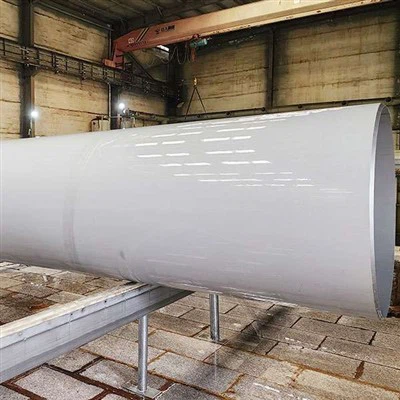
Hey there! As a supplier of duplex steel, I've been getting a lot of questions lately about the microstructure of duplex steel. So, I thought I'd take the time to break it down for you all.
First off, let's talk about what duplex steel is. Duplex steel is a type of stainless steel that has a unique microstructure composed of two phases: ferrite and austenite. This combination gives duplex steel some pretty awesome properties, like high strength, good corrosion resistance, and excellent weldability.
The ferrite phase in duplex steel is a body-centered cubic (BCC) structure. It's tough and has good resistance to stress corrosion cracking. The austenite phase, on the other hand, has a face-centered cubic (FCC) structure. It's more ductile and provides good toughness and formability. The ratio of ferrite to austenite in duplex steel is typically around 50:50, but it can vary depending on the specific grade and manufacturing process.
One of the key benefits of this dual-phase microstructure is the balance it provides between strength and ductility. The ferrite phase gives duplex steel its high strength, while the austenite phase helps prevent brittle fracture and provides better formability. This makes duplex steel a great choice for a wide range of applications, from oil and gas pipelines to chemical processing equipment.
Now, let's dive a little deeper into how this microstructure is formed. Duplex steel is typically produced through a combination of melting, casting, and heat treatment processes. During the melting process, the appropriate alloying elements are added to the steel to achieve the desired composition. These elements include chromium, nickel, molybdenum, and nitrogen, which play important roles in stabilizing the ferrite and austenite phases.
After casting, the steel is usually hot-rolled or cold-rolled to achieve the desired shape and thickness. Heat treatment is then used to control the microstructure and optimize the properties of the steel. This typically involves a solution annealing process, where the steel is heated to a high temperature and then rapidly cooled. This helps to dissolve any unwanted phases and ensure a uniform distribution of ferrite and austenite.
There are several different grades of duplex steel available, each with its own unique microstructure and properties. For example, Duplex S31803 / F51 / 1.4462 is a popular grade that offers a good balance of strength and corrosion resistance. It's commonly used in applications such as seawater handling systems and pulp and paper mills.
Another well-known grade is Duplex S32205 / F60. This grade has a higher chromium and molybdenum content, which gives it even better corrosion resistance, especially in aggressive environments. It's often used in the oil and gas industry, as well as in chemical processing plants.
The microstructure of duplex steel can also be affected by factors such as welding and long-term exposure to high temperatures. During welding, the heat input can cause changes in the phase balance and the formation of unwanted phases, such as sigma phase. Sigma phase is a brittle intermetallic compound that can reduce the toughness and corrosion resistance of the steel. To avoid this, special welding procedures and filler metals are often used to ensure a proper balance of ferrite and austenite in the weld zone.
Long-term exposure to high temperatures can also lead to the formation of sigma phase and other intermetallic compounds. This is known as aging, and it can cause a decrease in the mechanical properties of the steel over time. To minimize the effects of aging, it's important to choose the right grade of duplex steel for the specific application and to follow the recommended heat treatment and operating conditions.
In addition to its excellent mechanical and corrosion-resistant properties, duplex steel is also relatively cost-effective compared to other high-performance alloys. This makes it a popular choice for many industries where cost is a major consideration.
If you're in the market for duplex steel, whether it's for a new project or to replace existing materials, I'd be more than happy to help. As a supplier, I have access to a wide range of duplex steel grades and can provide you with the right material for your specific needs. We also offer custom fabrication services to ensure that the steel is cut, shaped, and finished to your exact specifications.
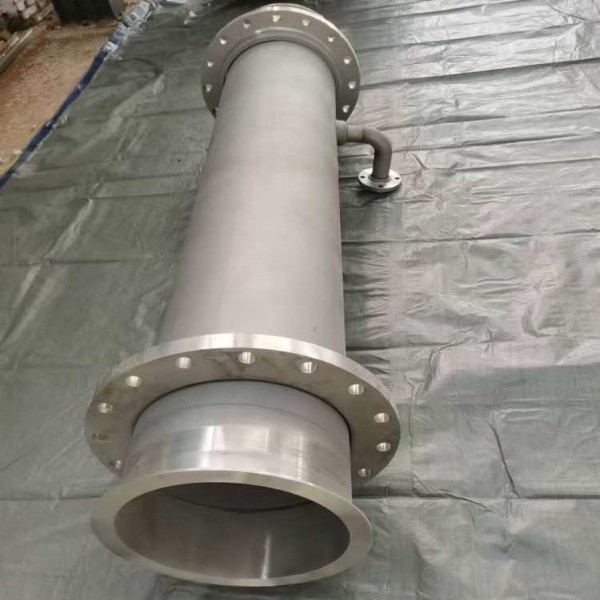

So, if you're interested in learning more about duplex steel or want to discuss your project requirements, don't hesitate to reach out. We can talk about the best grade for your application, the available sizes and shapes, and the pricing options. Let's work together to find the perfect duplex steel solution for you.
References
- ASM Handbook, Volume 3: Alloy Phase Diagrams. ASM International.
- Stainless Steel World Handbook. Nickel Institute.
- Duplex Stainless Steels: Properties, Processing, and Applications. The Nickel Development Institute.