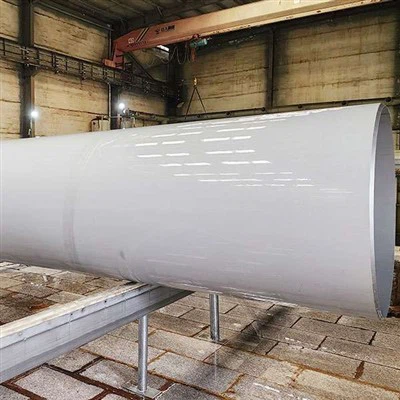
As a seasoned supplier of Incoloy alloys, I've witnessed firsthand the crucial role these materials play in various industries, from chemical processing to aerospace. Incoloy alloys are renowned for their exceptional corrosion resistance, which makes them ideal for applications in harsh environments. However, understanding the factors that affect their corrosion resistance is essential for ensuring optimal performance and longevity. In this blog post, I'll delve into the key factors that influence the corrosion resistance of Incoloy alloys and provide insights into how you can make informed decisions when selecting the right alloy for your specific needs.

Chemical Composition
The chemical composition of Incoloy alloys is one of the primary factors that determine their corrosion resistance. These alloys typically contain a combination of nickel, iron, chromium, and other alloying elements, each of which contributes to their unique properties.
- Nickel: Nickel is a key element in Incoloy alloys, providing excellent resistance to corrosion in a wide range of environments, including acidic, alkaline, and chloride-containing solutions. It forms a protective oxide layer on the surface of the alloy, which helps to prevent further corrosion.
- Chromium: Chromium is another important alloying element in Incoloy alloys, as it enhances the formation of the protective oxide layer and improves resistance to oxidation and corrosion. Chromium also helps to maintain the integrity of the alloy at high temperatures, making it suitable for applications in extreme environments.
- Molybdenum and Copper: Molybdenum and copper are often added to Incoloy alloys to further enhance their corrosion resistance, particularly in reducing environments and against pitting and crevice corrosion. These elements work together to form a more stable and protective oxide layer on the surface of the alloy.
For example, Incoloy 825 / UNS N08825 / 2.4858 contains significant amounts of nickel, chromium, molybdenum, and copper, which give it excellent resistance to a wide range of corrosive media, including sulfuric acid, phosphoric acid, and seawater.
Microstructure
The microstructure of Incoloy alloys also plays a crucial role in their corrosion resistance. The size, shape, and distribution of the alloy's grains and phases can affect its susceptibility to corrosion.
- Grain Size: A fine-grained microstructure generally provides better corrosion resistance than a coarse-grained microstructure. This is because fine grains have a larger surface area per unit volume, which allows for the formation of a more uniform and protective oxide layer.
- Phase Composition: The presence of different phases in the alloy can also influence its corrosion resistance. For example, the presence of sigma phase in some Incoloy alloys can reduce their corrosion resistance, particularly in environments containing chlorides.
Heat treatment can be used to control the microstructure of Incoloy alloys and improve their corrosion resistance. For instance, solution annealing can help to dissolve any unwanted phases and refine the grain structure, resulting in improved corrosion resistance.
Environmental Conditions
The environmental conditions in which Incoloy alloys are used can have a significant impact on their corrosion resistance. Factors such as temperature, pH, and the presence of corrosive agents can all affect the rate and mechanism of corrosion.
- Temperature: Higher temperatures generally increase the rate of corrosion, as they accelerate the chemical reactions between the alloy and the corrosive medium. However, some Incoloy alloys are specifically designed to maintain their corrosion resistance at high temperatures, making them suitable for applications in industries such as power generation and aerospace.
- pH: The pH of the corrosive medium can also affect the corrosion resistance of Incoloy alloys. In general, these alloys perform well in both acidic and alkaline environments, but their corrosion resistance may vary depending on the specific alloy composition and the pH range.
- Corrosive Agents: The presence of corrosive agents such as chlorides, sulfides, and acids can significantly reduce the corrosion resistance of Incoloy alloys. Chlorides, in particular, can cause pitting and crevice corrosion, which can lead to the failure of the alloy.
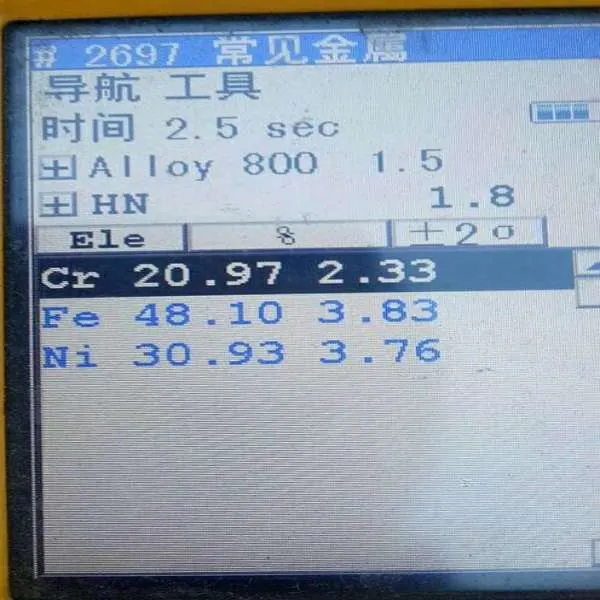
For example, Incoloy 800 / UNS N08800 / 1.4876 and Incoloy 800H / UNS N08810 / 1.4958 are commonly used in applications where resistance to high-temperature oxidation and corrosion is required, such as in heat exchangers and furnace components.
Surface Finish
The surface finish of Incoloy alloys can also affect their corrosion resistance. A smooth and clean surface is less likely to accumulate contaminants and provide a site for corrosion initiation.
- Surface Roughness: A rough surface can increase the surface area available for corrosion and provide crevices where corrosive agents can accumulate. Therefore, a smooth surface finish is generally preferred to improve corrosion resistance.
- Surface Contamination: Contaminants such as dirt, grease, and metal particles can also affect the corrosion resistance of Incoloy alloys. These contaminants can act as sites for corrosion initiation and accelerate the corrosion process.
Proper surface preparation, such as grinding, polishing, and cleaning, can help to improve the surface finish of Incoloy alloys and enhance their corrosion resistance.
Fabrication and Welding
The fabrication and welding processes used to manufacture Incoloy components can also have an impact on their corrosion resistance. Improper fabrication and welding techniques can introduce defects and residual stresses, which can reduce the alloy's corrosion resistance.
- Welding Defects: Welding defects such as porosity, cracks, and incomplete fusion can provide sites for corrosion initiation and propagation. Therefore, it is important to use proper welding techniques and procedures to ensure the quality of the welds.
- Residual Stresses: Residual stresses introduced during fabrication and welding can also affect the corrosion resistance of Incoloy alloys. These stresses can cause cracking and corrosion in the presence of a corrosive medium. Stress relieving heat treatment can be used to reduce residual stresses and improve the corrosion resistance of the alloy.
As a supplier of Incoloy alloys, we have extensive experience in providing high-quality materials and technical support to our customers. We understand the importance of corrosion resistance in various applications and can help you select the right alloy and fabrication process to meet your specific needs.
If you're interested in learning more about Incoloy alloys and their corrosion resistance, or if you have any questions about our products and services, please don't hesitate to contact us. We're here to help you make informed decisions and ensure the success of your projects.
References
- ASM Handbook, Volume 13A: Corrosion: Fundamentals, Testing, and Protection
- Corrosion Resistance of Stainless Steels and Nickel Alloys, Second Edition by George S. Haynes
- Incoloy Alloy Technical Data Sheets, Various Manufacturers