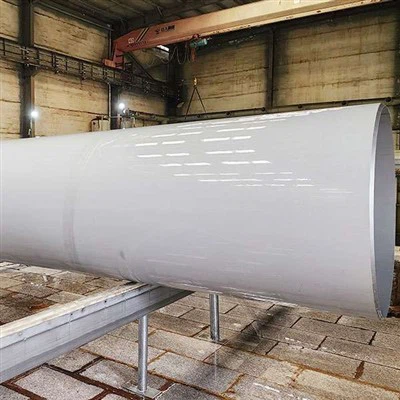
Hey there! I'm a supplier of Duplex S32205, and I've been in this game for quite a while. Today, I wanna share some tips on how to machine Duplex S32205. It's a super cool alloy, and if you get the machining right, you'll end up with some top - notch products.
Understanding Duplex S32205
First off, let's talk a bit about what Duplex S32205 is. Duplex S32205 / F60 is a type of duplex stainless steel. It has a two - phase microstructure, consisting of austenite and ferrite. This gives it a unique combination of properties. It's got high strength, good corrosion resistance, and excellent toughness. Compared to Duplex S31803 / F51 / 1.4462, S32205 generally has better mechanical properties and corrosion resistance in many environments.
Cutting Tools Selection
When it comes to machining Duplex S32205, choosing the right cutting tools is crucial. High - speed steel (HSS) tools are okay for light machining operations, but for more heavy - duty stuff, carbide tools are the way to go. Carbide tools can withstand the high cutting forces and temperatures generated during machining. They also have a longer tool life, which means you won't have to keep changing tools all the time.
For turning operations, inserts with a sharp cutting edge are preferred. A positive rake angle can help reduce cutting forces and improve chip formation. Make sure the inserts are made of a high - quality carbide grade that's suitable for stainless steel machining.
In milling, end mills with multiple flutes can increase the material removal rate. Again, carbide end mills are recommended. And don't forget to use a tool with a good coating. Titanium nitride (TiN) or titanium aluminum nitride (TiAlN) coatings can improve the tool's wear resistance and reduce friction.
Cutting Parameters
Now, let's talk about the cutting parameters. These include cutting speed, feed rate, and depth of cut. Getting these right is like finding the perfect recipe for a great meal.
The cutting speed depends on the type of operation and the tool material. For turning with carbide tools, a cutting speed of around 50 - 100 m/min is a good starting point. But if you're using HSS tools, you'll have to go much slower, maybe around 10 - 20 m/min.
The feed rate is also important. A too - high feed rate can cause excessive tool wear and poor surface finish, while a too - low feed rate will make the machining process take forever. For turning, a feed rate of 0.1 - 0.3 mm/rev is usually a good range. In milling, it can be around 0.05 - 0.2 mm/tooth.
The depth of cut should be chosen based on the tool's capabilities and the workpiece requirements. In general, for rough machining, you can go for a larger depth of cut, say 2 - 5 mm. For finishing operations, a smaller depth of cut, around 0.1 - 0.5 mm, is better to get a smooth surface finish.
Cooling and Lubrication
Cooling and lubrication are essential when machining Duplex S32205. The high - strength nature of this alloy generates a lot of heat during machining, and if not properly managed, it can lead to tool wear, poor surface finish, and even damage to the workpiece.
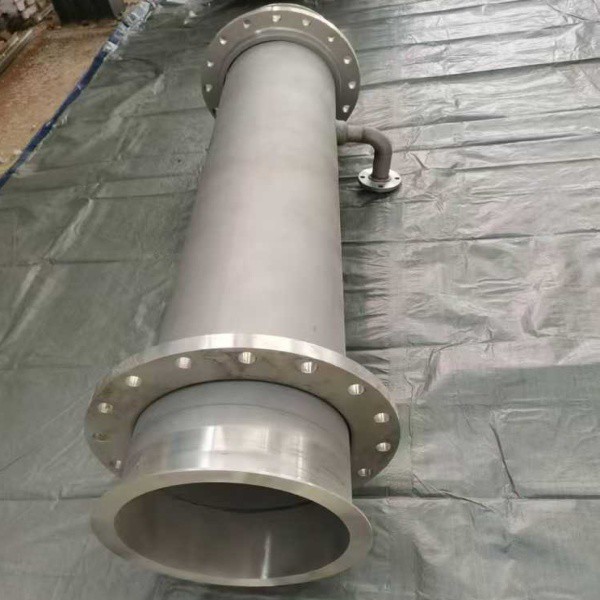

A water - soluble cutting fluid is a popular choice. It can effectively cool the cutting zone and reduce friction between the tool and the workpiece. Make sure to use a high - quality cutting fluid and keep the concentration at the recommended level.
Another option is to use a minimum quantity lubrication (MQL) system. This system sprays a very small amount of lubricant directly onto the cutting zone. It's more environmentally friendly and can also provide good lubrication and cooling effects.
Chip Control
Chip control is often overlooked but is very important in machining Duplex S32205. The chips generated during machining can be long and stringy, which can get tangled around the tool and the workpiece. This can cause tool breakage and poor surface finish.
To control the chips, you can use tools with chip breakers. Chip breakers are designed to break the chips into small, manageable pieces. You can also adjust the cutting parameters. For example, increasing the feed rate slightly can sometimes help break the chips.
Machining Operations
Let's go through some common machining operations on Duplex S32205.
Turning
Turning is one of the most basic machining operations. When turning Duplex S32205, start with a roughing pass to remove most of the material. Use a large depth of cut and a relatively high feed rate. Then, follow it up with a finishing pass for a smooth surface finish. Make sure to keep the cutting tools sharp and use proper cooling and lubrication.
Milling
Milling is used to create flat surfaces, slots, and contours. When milling Duplex S32205, choose the right end mill based on the operation. For face milling, a large - diameter end mill can cover more area quickly. For slot milling, a smaller - diameter end mill is needed. Use climb milling whenever possible, as it can reduce cutting forces and improve surface finish.
Drilling
Drilling holes in Duplex S32205 can be a bit challenging. Use high - speed steel or carbide drills. Start with a center drill to create a pilot hole, which will help guide the main drill. Use a slow feed rate and a moderate cutting speed. Make sure to use plenty of cutting fluid to cool the drill and flush out the chips.
Post - Machining Treatment
After machining, it's a good idea to perform some post - machining treatments. For example, a light passivation treatment can improve the corrosion resistance of the machined surface. You can also perform a stress - relieving heat treatment if the machining process has introduced a lot of internal stress.
Conclusion
Machining Duplex S32205 requires a good understanding of the material properties, proper selection of cutting tools, and careful control of cutting parameters. By following these tips, you can achieve high - quality machining results.
If you're in the market for Duplex S32205 and want to discuss your specific requirements, feel free to reach out. We're here to help you get the best materials and provide you with all the support you need for your machining projects.
References
- ASM Handbook, Volume 13A: Corrosion: Fundamentals, Testing, and Protection
- Machining Data Handbook, Third Edition