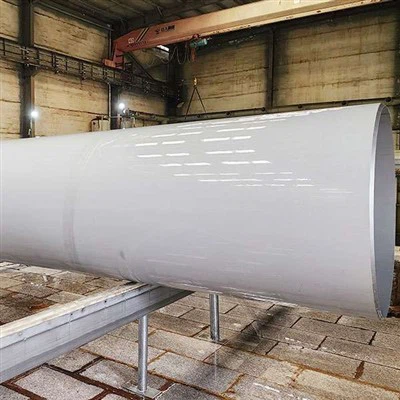
As a supplier of UNS S31600, I am often asked about the intergranular corrosion resistance of this material. In this blog post, I will delve into the concept of intergranular corrosion, explain why it matters, and explore the specific intergranular corrosion resistance characteristics of UNS S31600.
Understanding Intergranular Corrosion
Intergranular corrosion is a form of corrosion that occurs preferentially along the grain boundaries of a metal. Unlike uniform corrosion, which affects the entire surface of a material, intergranular corrosion can lead to severe structural damage without significant visible signs on the surface. This makes it particularly insidious, as it can undermine the integrity of a component over time.
The mechanism behind intergranular corrosion typically involves the formation of a galvanic cell between the grain boundaries and the grains themselves. This can happen when certain elements in the metal segregate to the grain boundaries, creating an area that is more susceptible to corrosion. In stainless steels, for example, the precipitation of chromium carbides at the grain boundaries can deplete the surrounding area of chromium, reducing its ability to form a protective oxide layer. As a result, the grain boundaries become anodic relative to the grains, and corrosion occurs preferentially at these sites.
Why Intergranular Corrosion Resistance Matters
Intergranular corrosion can have serious consequences for the performance and longevity of metal components. In applications where structural integrity is critical, such as in the aerospace, automotive, and chemical processing industries, even minor intergranular corrosion can lead to catastrophic failures. For example, in a pressure vessel, intergranular corrosion can weaken the walls of the vessel, increasing the risk of rupture. In a pipeline, it can cause leaks, leading to environmental contamination and safety hazards.
In addition to safety concerns, intergranular corrosion can also have economic implications. Components that are damaged by intergranular corrosion may need to be replaced prematurely, resulting in increased maintenance costs and downtime. Therefore, selecting a material with good intergranular corrosion resistance is essential for ensuring the reliability and cost-effectiveness of a project.
Intergranular Corrosion Resistance of UNS S31600
UNS S31600, also known as Stainless Steel 316, is a widely used austenitic stainless steel that offers excellent corrosion resistance in a variety of environments. It contains approximately 16-18% chromium, 10-14% nickel, and 2-3% molybdenum, which contribute to its superior corrosion resistance compared to other stainless steels.
One of the key factors that determines the intergranular corrosion resistance of UNS S31600 is its low carbon content. Carbon can react with chromium to form chromium carbides, which can precipitate at the grain boundaries and cause intergranular corrosion. By keeping the carbon content below 0.08%, the formation of chromium carbides is minimized, reducing the risk of intergranular corrosion.
In addition to its low carbon content, the presence of molybdenum in UNS S31600 also enhances its intergranular corrosion resistance. Molybdenum is a strong carbide former, which means it can compete with carbon for chromium atoms, preventing the formation of chromium carbides at the grain boundaries. This helps to maintain the chromium content in the surrounding area, ensuring the formation of a protective oxide layer and reducing the susceptibility to intergranular corrosion.
Testing the Intergranular Corrosion Resistance of UNS S31600
To ensure the intergranular corrosion resistance of UNS S31600, various testing methods are available. One of the most common methods is the ASTM A262 Practice A test, which involves exposing the material to a boiling solution of 65% nitric acid for a specified period of time. The weight loss of the specimen is then measured, and if it exceeds a certain limit, the material is considered to be susceptible to intergranular corrosion.
Another method is the ASTM A262 Practice C test, which is more sensitive than Practice A and is used to detect the presence of chromium carbide precipitation. This test involves exposing the material to a boiling solution of sulfuric acid, copper sulfate, and copper chips for a specified period of time. After the test, the specimen is examined for the presence of intergranular corrosion using a microscope.
Applications of UNS S31600 in Corrosive Environments
Due to its excellent intergranular corrosion resistance, UNS S31600 is widely used in applications where exposure to corrosive environments is expected. Some of the common applications include:
- Chemical Processing Industry: UNS S31600 is used in the construction of chemical reactors, storage tanks, and pipelines for handling corrosive chemicals such as acids, alkalis, and salts.
- Food and Beverage Industry: It is used in the manufacturing of food processing equipment, such as tanks, pipes, and valves, due to its resistance to corrosion and its ability to maintain a hygienic surface.
- Marine Industry: UNS S31600 is used in marine applications, such as boat fittings, seawater piping, and offshore platforms, where it is exposed to saltwater and other corrosive elements.
- Medical Industry: It is used in the production of medical devices, such as surgical instruments and implants, due to its biocompatibility and corrosion resistance.
Comparison with Other Stainless Steels
While UNS S31600 offers excellent intergranular corrosion resistance, it is important to note that there are other stainless steels that may be more suitable for specific applications. For example, Stainless Steel 347H / UNS S34709 / 1.4961 contains niobium, which stabilizes the chromium carbides and provides better intergranular corrosion resistance at high temperatures. Stainless Steel 321 / UNS S32100 / 1.4541 contains titanium, which also helps to prevent the formation of chromium carbides and is suitable for applications where welding is required. Stainless Steel 316H / UNS 31609 / 1.4919 has a higher carbon content than UNS S31600, which gives it better high-temperature strength but may reduce its intergranular corrosion resistance.
Conclusion
In conclusion, the intergranular corrosion resistance of UNS S31600 is an important property that makes it a popular choice for a wide range of applications. Its low carbon content and the presence of molybdenum help to minimize the formation of chromium carbides at the grain boundaries, reducing the risk of intergranular corrosion. However, it is important to select the right material for the specific application, taking into account factors such as the operating environment, temperature, and mechanical requirements.
If you are considering using UNS S31600 for your project or have any questions about its intergranular corrosion resistance, please feel free to contact us. Our team of experts is available to provide you with more information and help you select the best material for your needs.


References
- ASM Handbook, Volume 13A: Corrosion, ASM International.
- ASTM International standards related to stainless steel corrosion testing.
- Technical literature from stainless steel manufacturers.