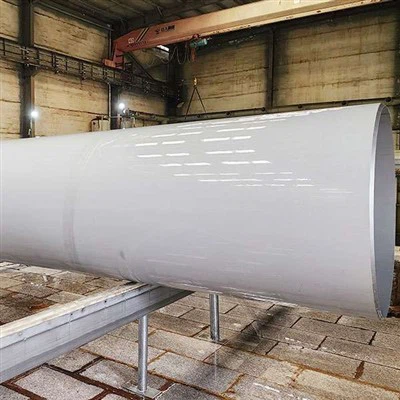
UNS S30400, commonly known as Stainless Steel 304, is one of the most widely used and versatile stainless steels in various industries. As a supplier of UNS S30400, I often receive inquiries regarding the annealing temperature for this particular alloy. In this blog post, I will delve into the concept of annealing, explain why it is important for UNS S30400, and provide the appropriate annealing temperature range.

Understanding Annealing
Annealing is a heat treatment process that involves heating a material to a specific temperature and then cooling it at a controlled rate. The primary purpose of annealing is to relieve internal stresses, improve ductility, and enhance the material's machinability and formability. For stainless steels like UNS S30400, annealing also helps to restore the material's corrosion resistance, which can be compromised during cold working or welding.
There are different types of annealing processes, including full annealing, process annealing, and stress relief annealing. The choice of annealing process depends on the specific requirements of the application and the condition of the material.
Importance of Annealing for UNS S30400
UNS S30400 is an austenitic stainless steel that contains approximately 18% chromium and 8% nickel. This alloy is known for its excellent corrosion resistance, high strength, and good formability. However, when UNS S30400 is cold worked or welded, internal stresses are introduced into the material, which can lead to reduced ductility, increased hardness, and decreased corrosion resistance.
Annealing UNS S30400 after cold working or welding helps to eliminate these internal stresses and restore the material's original properties. By annealing the alloy, the grains within the material are allowed to recrystallize, resulting in a more uniform and stable microstructure. This not only improves the material's ductility and formability but also enhances its corrosion resistance, making it suitable for a wide range of applications.
Annealing Temperature for UNS S30400
The annealing temperature for UNS S30400 typically ranges from 1010°C to 1120°C (1850°F to 2050°F). This temperature range is chosen to ensure that the material is heated to a sufficient temperature to allow for recrystallization of the grains, while also avoiding excessive grain growth, which can lead to reduced mechanical properties.
It is important to note that the exact annealing temperature within this range may vary depending on several factors, including the thickness of the material, the degree of cold work, and the specific requirements of the application. For thinner materials or materials with a lower degree of cold work, a lower annealing temperature may be sufficient. Conversely, thicker materials or materials with a higher degree of cold work may require a higher annealing temperature.
Annealing Process for UNS S30400
The annealing process for UNS S30400 typically involves the following steps:
- Preheating: The material is preheated to a temperature slightly below the annealing temperature to ensure uniform heating and to minimize thermal shock.
- Heating: The material is heated to the annealing temperature and held at this temperature for a sufficient time to allow for complete recrystallization of the grains. The holding time depends on the thickness of the material and the annealing temperature.
- Cooling: After the holding time, the material is cooled at a controlled rate to room temperature. The cooling rate is important to prevent the formation of new internal stresses and to ensure that the material retains its desired properties. For UNS S30400, a rapid cooling rate, such as quenching in water or air, is typically used to achieve the best results.
Other Considerations
In addition to the annealing temperature and process, there are several other considerations that should be taken into account when annealing UNS S30400:
- Furnace Atmosphere: The furnace atmosphere during annealing can have a significant impact on the quality of the annealed material. A reducing atmosphere, such as hydrogen or a mixture of hydrogen and nitrogen, is often used to prevent oxidation and to ensure a clean surface finish.
- Post-Annealing Treatment: After annealing, the material may require additional treatment, such as pickling or passivation, to remove any surface oxides and to enhance its corrosion resistance.
- Quality Control: It is important to perform quality control checks on the annealed material to ensure that it meets the required specifications. This may include hardness testing, tensile testing, and corrosion resistance testing.
Related Alloys
If you are looking for alternative alloys to UNS S30400, you may consider the following:
- Stainless Steel 316 / UNS S31600 / 1.4401: This alloy contains molybdenum, which provides improved corrosion resistance in chloride environments compared to UNS S30400.
- Stainless Steel 316L / UNS S31603 / 1.4404: Similar to Stainless Steel 316, but with a lower carbon content, which makes it more suitable for welding applications.
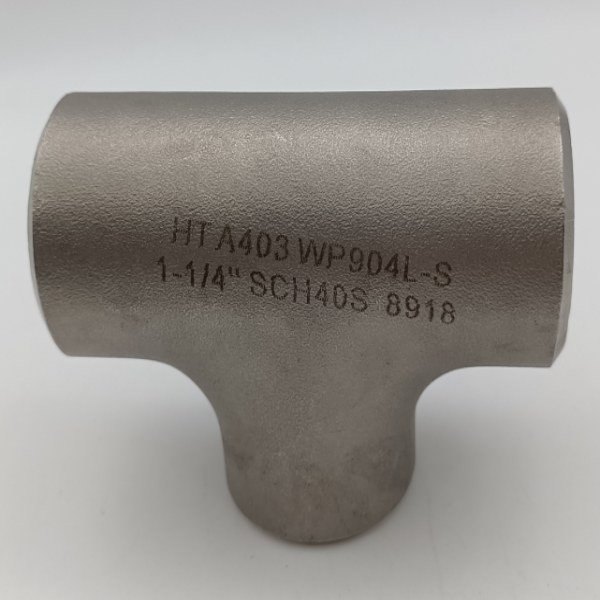
- Stainless Steel 904L / UNS N08904 / 1.4539: This alloy has a high nickel and copper content, which provides excellent corrosion resistance in a wide range of aggressive environments.
Conclusion
As a supplier of UNS S30400, I understand the importance of annealing this alloy to ensure its optimal performance. By following the appropriate annealing temperature and process, you can relieve internal stresses, improve ductility, and enhance the corrosion resistance of UNS S30400. If you have any questions or need further information about annealing UNS S30400 or any of our other products, please do not hesitate to contact us. We are always happy to assist you with your procurement needs and to provide you with the highest quality materials and services.
References
- ASM Handbook, Volume 4: Heat Treating, ASM International
- Stainless Steel Handbook, The Nickel Institute