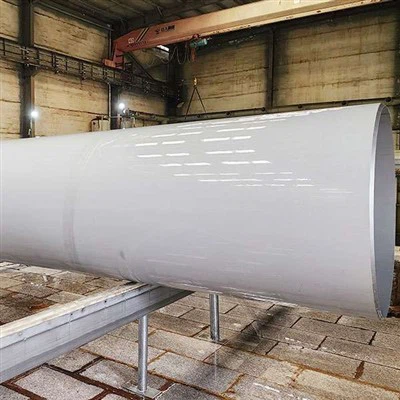
As a supplier of UNS N08904, I understand the importance of proper cleaning and maintenance for this high - performance alloy. UNS N08904, also known as a super austenitic stainless steel, is widely used in various industries due to its excellent corrosion resistance, good mechanical properties, and high durability. However, choosing the right cleaning agents is crucial to maintain its integrity and performance over time.
Understanding UNS N08904
UNS N08904 contains a relatively high amount of nickel (24 - 26%), chromium (19 - 21%), and molybdenum (4 - 5%), which gives it superior resistance to a wide range of corrosive environments, including those containing sulfuric acid, phosphoric acid, and chloride ions. This alloy is commonly used in chemical processing, food and beverage production, and marine applications.
General Cleaning Principles
Before delving into specific cleaning agents, it's important to follow some general cleaning principles. First, always start with the mildest cleaning method possible. Harsh chemicals can potentially damage the surface of UNS N08904, leading to pitting or stress corrosion cracking. Second, thoroughly rinse the surface after cleaning to remove any residual cleaning agents, as these can also cause corrosion over time. Finally, use soft - bristle brushes or non - abrasive sponges to avoid scratching the surface, which can create sites for corrosion initiation.
Suitable Cleaning Agents
Water and Mild Detergents
For routine cleaning of UNS N08904, a simple solution of water and mild detergent is often sufficient. Mild detergents, such as those formulated for dishwashing or general household cleaning, can effectively remove dirt, grease, and light stains without causing damage to the alloy. Mix a small amount of detergent with warm water and use a soft cloth or sponge to gently clean the surface. Rinse thoroughly with clean water and dry with a soft towel to prevent water spots.
Citric Acid Solutions
Citric acid is a natural and relatively mild acid that can be used to remove rust stains and scale from UNS N08904. A solution of 2 - 5% citric acid in water can be applied to the stained area and left for a few minutes. Then, gently scrub the surface with a soft brush or sponge and rinse thoroughly. Citric acid is biodegradable and less harmful to the environment compared to some other acids, making it a good choice for cleaning applications.


Phosphoric Acid Solutions
In more severe cases of corrosion or staining, a phosphoric acid solution can be used. Phosphoric acid is a moderately strong acid that can dissolve rust and scale more effectively than citric acid. However, it should be used with caution, as it can be corrosive to the alloy if the concentration is too high or if it is left on the surface for too long. A 5 - 10% phosphoric acid solution is typically recommended. Apply the solution to the affected area, let it sit for a short period (usually no more than 10 - 15 minutes), and then rinse thoroughly.
Ammonia - Based Cleaners
Ammonia - based cleaners can be used to remove grease and oil stains from UNS N08904. These cleaners work by breaking down the organic compounds in the stains, making them easier to wipe away. However, ammonia can react with copper and some other metals, so it's important to ensure that the UNS N08904 surface is free from any copper - containing components. Dilute the ammonia - based cleaner according to the manufacturer's instructions, apply it to the stain, and wipe it away with a clean cloth. Rinse thoroughly with water.
Cleaning Agents to Avoid
Certain cleaning agents should be avoided when cleaning UNS N08904. Chloride - containing cleaners, such as those used for pool maintenance or some industrial cleaning applications, can cause pitting corrosion in the alloy. Hydrochloric acid and sulfuric acid, even in dilute solutions, can also be highly corrosive to UNS N08904 and should not be used.
Comparison with Other Alloys
It's interesting to compare the cleaning requirements of UNS N08904 with other similar alloys. For example, Stainless Steel 304 / UNS S30400 / 1.4301 is a common austenitic stainless steel that is less resistant to corrosion than UNS N08904. While it can also be cleaned with mild detergents and water, it may require more frequent cleaning and is more susceptible to pitting in chloride - containing environments.
Stainless Steel AL6XN / UNS N08367 / 1.4529 is another super austenitic stainless steel that has similar corrosion resistance to UNS N08904. However, its cleaning requirements may vary slightly depending on the specific application and the level of contamination.
Stainless Steel 347 / UNS S34700 / 1.4550 contains niobium, which improves its resistance to intergranular corrosion. It can be cleaned using similar methods as UNS N08904, but again, the choice of cleaning agent should be based on the specific cleaning needs.
Conclusion
Proper cleaning and maintenance of UNS N08904 are essential to ensure its long - term performance and integrity. By choosing the right cleaning agents and following the general cleaning principles, you can effectively remove dirt, stains, and corrosion from the alloy without causing damage. Remember to always start with the mildest cleaning method possible and thoroughly rinse the surface after cleaning.
If you are in need of UNS N08904 for your project or have any questions about its cleaning and maintenance, please feel free to contact us for further discussion and procurement. We are committed to providing high - quality UNS N08904 products and professional technical support.
References
- ASM Handbook, Volume 13A: Corrosion: Fundamentals, Testing, and Protection.
- Stainless Steel World Handbook.
- Technical literature from alloy manufacturers.