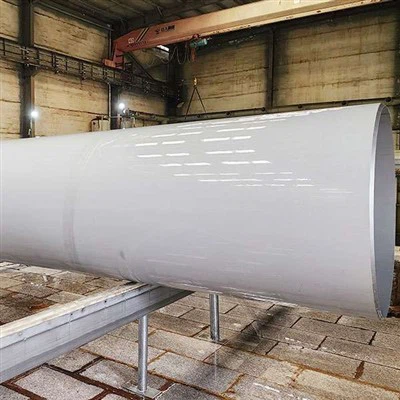
When it comes to high - performance alloys, Inconel forgings stand out due to their exceptional resistance to corrosion, high - temperature strength, and oxidation resistance. As an Inconel supplier, I understand the importance of evaluating the quality of Inconel forgings. This evaluation is crucial not only for us as suppliers to ensure that we are providing the best products but also for our customers who rely on these forgings in critical applications such as aerospace, chemical processing, and power generation.
1. Chemical Composition Analysis
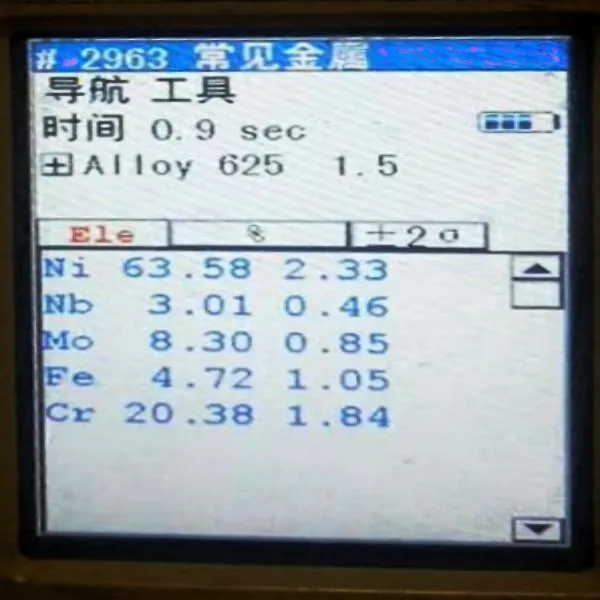
The chemical composition of Inconel forgings is the foundation of their performance. Different grades of Inconel, such as Inconel 601 / UNS N06601 / 2.4851, Inconel 625 / UNS N06625 / 2.4856, and Inconel 600 / UNS N06600 / 2.4816, have specific chemical compositions that determine their properties.
We use advanced analytical techniques such as spectroscopy to accurately measure the content of elements like nickel, chromium, molybdenum, and others. For example, in Inconel 625, the high levels of nickel and molybdenum contribute to its excellent corrosion resistance in a wide range of environments, including seawater and acidic solutions. Any deviation from the standard chemical composition can significantly affect the forging's performance. A lower than specified chromium content may reduce the oxidation resistance of the forging, making it more susceptible to damage in high - temperature and oxidative environments.
2. Microstructure Examination
The microstructure of Inconel forgings provides valuable insights into their mechanical properties and manufacturing quality. A well - formed microstructure is essential for achieving the desired strength, toughness, and ductility.
We typically use metallographic analysis to examine the grain size, phase distribution, and the presence of any defects in the microstructure. Fine - grained microstructures generally offer better mechanical properties, such as higher strength and improved fatigue resistance. For instance, in aerospace applications, where components are subjected to cyclic loading, a fine - grained Inconel forging can withstand more stress cycles before failure.
On the other hand, the presence of abnormal phases or inclusions can be a sign of poor manufacturing processes or impurities in the raw materials. Large inclusions can act as stress concentrators, leading to premature failure of the forging. By carefully examining the microstructure, we can identify these issues early and take corrective actions to ensure the quality of the forgings.
3. Mechanical Property Testing
Mechanical property testing is a key aspect of evaluating Inconel forgings. We conduct a series of tests to measure the forging's strength, hardness, ductility, and impact resistance.

Tensile testing is one of the most common methods. It measures the maximum stress a forging can withstand before breaking and its ability to deform plastically. For Inconel forgings used in high - stress applications, such as turbine blades in jet engines, high tensile strength and good ductility are essential. A forging with low tensile strength may fail under normal operating conditions, while poor ductility can lead to brittle fracture.
Hardness testing is also important. It provides an indication of the forging's resistance to indentation and wear. Different heat treatment processes can affect the hardness of Inconel forgings. By controlling the hardness within the specified range, we can ensure that the forging has the appropriate wear resistance for its intended application.
Impact testing, such as the Charpy V - notch test, measures the forging's ability to absorb energy under impact loading. This is crucial in applications where the forging may be subjected to sudden shocks, such as in automotive or construction equipment.
4. Non - Destructive Testing (NDT)
Non - destructive testing methods are used to detect internal and surface defects in Inconel forgings without damaging the components. These methods are essential for ensuring the integrity of the forgings, especially in critical applications.
Ultrasonic testing is commonly used to detect internal defects such as cracks, porosity, and inclusions. Ultrasonic waves are transmitted through the forging, and any reflections or changes in the wave pattern indicate the presence of a defect. This method is highly sensitive and can detect small defects deep within the forging.
Magnetic particle testing is suitable for detecting surface and near - surface defects in ferromagnetic Inconel grades. By applying a magnetic field and magnetic particles to the surface of the forging, any surface cracks or discontinuities will cause the particles to accumulate, making the defects visible.
Radiographic testing, such as X - ray or gamma - ray testing, can provide detailed images of the internal structure of the forging. It is particularly useful for detecting complex internal defects and evaluating the quality of welds in Inconel forgings.
5. Dimensional Accuracy and Surface Finish
Dimensional accuracy is crucial for Inconel forgings, especially when they are used in precision - engineered components. We use precision measuring tools such as calipers, micrometers, and coordinate measuring machines (CMMs) to ensure that the forgings meet the specified dimensions. Any deviation from the design dimensions can lead to fitment issues and affect the overall performance of the assembly.
Surface finish is also an important factor. A smooth surface finish can reduce friction, improve corrosion resistance, and enhance the aesthetic appearance of the forging. We use various surface finishing techniques, such as grinding, polishing, and shot peening, to achieve the desired surface quality. Shot peening, for example, can not only improve the surface finish but also introduce compressive stresses on the surface, which can enhance the forging's fatigue resistance.
6. Traceability and Documentation
As a responsible Inconel supplier, we maintain strict traceability of our forgings. Each forging is marked with a unique identification number, and detailed records are kept throughout the manufacturing process. This includes information about the raw materials, manufacturing processes, heat treatment parameters, and test results.
Traceability allows us to quickly identify the source of any quality issues and take appropriate corrective actions. It also provides our customers with confidence in the quality and reliability of our products. We provide comprehensive documentation, including material certificates, test reports, and inspection records, to our customers upon request.
Conclusion
Evaluating the quality of Inconel forgings is a comprehensive process that involves multiple aspects, from chemical composition analysis to traceability and documentation. By using advanced testing methods and strict quality control measures, we can ensure that our Inconel forgings meet the highest standards and perform reliably in various applications.
If you are in need of high - quality Inconel forgings, we are here to provide you with the best products and services. Our team of experts is ready to assist you in selecting the right Inconel grade and evaluating the quality of the forgings to meet your specific requirements. Contact us today to start a procurement discussion and find the perfect Inconel solutions for your projects.
References
- ASM Handbook Volume 1: Properties and Selection: Irons, Steels, and High - Performance Alloys.
- ASTM Standards for Inconel Alloys.
- "Corrosion Resistance of Nickel - Based Alloys" by R. Baboian.