Nickel, a versatile and widely used metal, plays a crucial role in various industries, including the ceramic industry. As a trusted nickel supplier, I've witnessed firsthand how nickel's unique properties make it an indispensable component in ceramic production. In this article, we'll explore the multifaceted uses of nickel in the ceramic industry, from enhancing color and durability to improving thermal and electrical conductivity.
Colorant in Ceramics
One of the most well - known applications of nickel in the ceramic industry is as a colorant. Nickel compounds can produce a wide range of colors in ceramics, depending on the firing conditions and the presence of other elements. For example, nickel oxide (NiO) is commonly used to create green, gray, and black glazes. When used in low concentrations, it imparts a pale green color to the ceramic surface. In higher concentrations or under specific firing atmospheres, it can result in darker shades, such as gray or black.
The ability of nickel to create these colors is due to its electronic structure. Nickel ions can exist in different oxidation states, and the absorption and reflection of light by these ions result in the observed colors. This property allows ceramic artists and manufacturers to achieve a variety of aesthetic effects, from subtle pastels to bold, intense hues. Whether it's for decorative ceramics or high - end tableware, nickel - based colorants offer a reliable and consistent way to add color and character to the final product.
Enhancing Durability
Nickel also contributes to the durability of ceramics. When incorporated into ceramic materials, nickel can improve their mechanical properties, such as hardness and resistance to abrasion. This is particularly important in applications where the ceramic products are subject to wear and tear, such as tiles in high - traffic areas or industrial ceramics used in machinery.
Nickel can form solid solutions with ceramic matrices, strengthening the overall structure. For instance, in some advanced ceramic composites, nickel particles are dispersed throughout the ceramic phase. These particles act as reinforcement, preventing crack propagation and increasing the material's toughness. As a result, the ceramic products are more resistant to damage and have a longer service life.
Improving Thermal and Electrical Conductivity
In certain ceramic applications, thermal and electrical conductivity are essential properties. Nickel can significantly enhance these characteristics in ceramics. In the case of thermal conductivity, nickel - containing ceramics can dissipate heat more efficiently, which is crucial in applications such as heat exchangers and electronic packaging.
For electrical conductivity, some nickel - ceramic composites are designed to have specific electrical properties. These composites can be used in electronic devices, such as sensors and capacitors. The combination of nickel's high electrical conductivity and the ceramic's insulating or semiconducting properties allows for the creation of materials with tailored electrical behavior.
Nickel Alloys in Ceramic Production Equipment
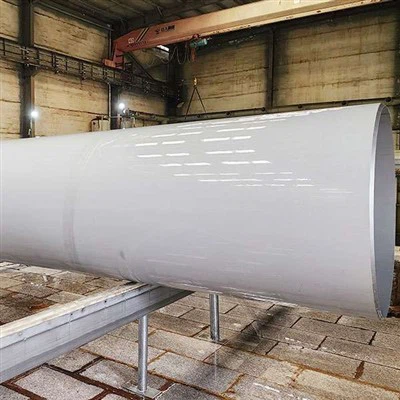
Apart from its direct use in ceramics, nickel - based alloys are also widely used in the equipment for ceramic production. Alloys like Alloy 31 / UNS N08031 / 1.4562 and Alloy 20 / UNS N08020 / 2.4660 are known for their excellent corrosion resistance, high strength, and good heat resistance. These properties make them ideal for components in kilns, furnaces, and other ceramic manufacturing equipment.
In kilns, for example, the high - temperature environment and the presence of corrosive gases can cause significant damage to equipment. Nickel - based alloys can withstand these harsh conditions, ensuring the long - term operation and reliability of the production equipment. The use of Nickel 201 / UNS N02201 / 2.4061, 2.4608 in some precision parts of ceramic production machinery also guarantees high - precision manufacturing due to its low thermal expansion and good machinability.
Quality and Consistency in Nickel Supply
As a nickel supplier, I understand the importance of providing high - quality nickel products to the ceramic industry. Quality control is a top priority in our operations. We source nickel from reliable mines and use advanced refining processes to ensure that our nickel products meet the strictest industry standards.
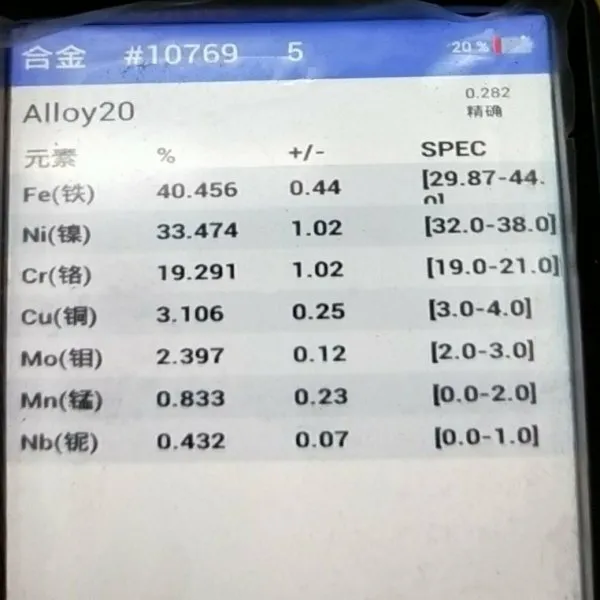

Consistency is also crucial. The ceramic industry requires consistent - quality raw materials to achieve reproducible results in color, properties, and performance of the final products. Our experienced quality control team conducts regular inspections and tests to guarantee that every batch of nickel we supply has the same high - level specifications.
Meeting Diverse Industry Needs
The ceramic industry is diverse, with applications ranging from artisanal pottery to high - tech industrial ceramics. Different applications have different requirements for nickel. Some projects may need highly pure nickel for electronic - grade ceramics, while others may use nickel compounds in lower purities for decorative glazes.
We, as a supplier, are committed to meeting these diverse needs. We offer a wide range of nickel products, including different grades of nickel metal, nickel oxides, and other nickel compounds. Our technical support team is always available to provide advice on the selection of the most suitable nickel products for specific ceramic applications.
Collaboration for Innovation
In today's rapidly evolving ceramic industry, innovation is key to staying competitive. We believe in collaborating with ceramic manufacturers and researchers to develop new applications for nickel in ceramics. By working together, we can explore new ways to utilize nickel's properties and create ceramics with enhanced performance and unique aesthetic features.
Whether it's developing new colorant systems or exploring the use of nickel in emerging ceramic technologies, such as 3D - printed ceramics, our company is eager to be part of the innovation process.
Contact for Purchase
If you're in the ceramic industry and looking for a reliable nickel supplier, we're here to help. Our high - quality nickel products, combined with our commitment to service and innovation, make us the ideal partner for your ceramic production needs. Contact us today to start discussing your requirements and explore how our nickel products can enhance your ceramic applications.
References
- "Ceramics: Science and Engineering" by Jorge L. Rodrıguez and K. Ravi Chandran.
- "Nickel and Its Alloys" by John R. Davis.
- Industry reports on ceramic manufacturing and nickel applications.