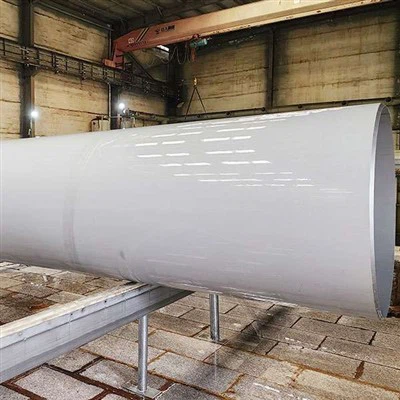
In the dynamic realm of aerospace engineering, the selection of materials is a critical decision that can significantly impact the performance, safety, and longevity of aircraft and spacecraft components. Among the various materials available, Incoloy alloys have emerged as a compelling option due to their unique combination of properties. As a trusted Incoloy supplier, I am excited to delve into the question: Can Incoloy be used in aerospace applications?
Understanding Incoloy Alloys
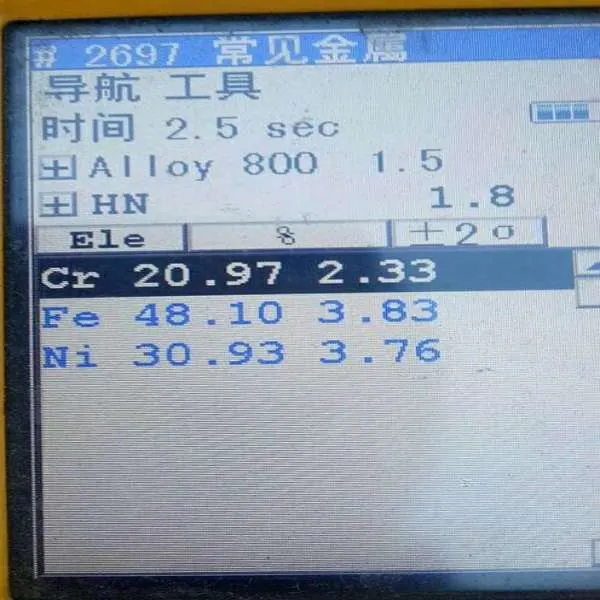
Incoloy alloys are a family of nickel - iron - chromium - based superalloys that offer excellent corrosion resistance, high - temperature strength, and good fabricability. These alloys are designed to withstand harsh environments, making them suitable for a wide range of industrial applications. Some of the popular Incoloy grades include Incoloy 800H / UNS N08810 / 1.4958, Incoloy 825 / UNS N08825 / 2.4858, and Incoloy 800 / UNS N08800 / 1.4876.
Incoloy 800H, for instance, is known for its high - temperature strength and resistance to oxidation and carburization. It has excellent creep and rupture properties at elevated temperatures, which are essential for applications where components are exposed to high heat for extended periods. Incoloy 825, on the other hand, offers outstanding resistance to corrosion in various media, including sulfuric acid, phosphoric acid, and seawater. This makes it a great choice for applications in corrosive environments, such as those found in aerospace fuel systems and hydraulic systems. Incoloy 800 combines good corrosion resistance with high - temperature strength, providing a balance between these two important properties.
Advantages of Incoloy Alloys in Aerospace
High - Temperature Performance
One of the most significant advantages of Incoloy alloys in aerospace applications is their ability to maintain strength and integrity at high temperatures. Aerospace components, especially those in jet engines and rocket propulsion systems, are exposed to extremely high temperatures during operation. Incoloy alloys can withstand these temperatures without significant loss of strength, ensuring the reliable performance of the components. For example, in the hot sections of jet engines, where temperatures can reach over 1000°C, Incoloy alloys can provide the necessary strength and resistance to oxidation and creep.
Corrosion Resistance
Aerospace vehicles are exposed to a variety of corrosive environments, including moisture, saltwater, and chemical agents. Incoloy alloys offer excellent corrosion resistance, which helps to prevent the degradation of components over time. This is particularly important for components that are in contact with fuel, hydraulic fluids, or are exposed to the external environment. For instance, Incoloy 825's resistance to pitting, crevice corrosion, and stress - corrosion cracking makes it a suitable material for fuel tanks, pipes, and valves in aerospace applications.
Fabricability
Incoloy alloys are relatively easy to fabricate using common manufacturing processes such as machining, welding, and forming. This allows aerospace manufacturers to produce complex components with high precision. The good fabricability of Incoloy alloys also reduces manufacturing costs and lead times, making them an attractive option for large - scale production.
Weight - to - Strength Ratio
In aerospace, reducing weight is crucial for improving fuel efficiency and performance. Incoloy alloys offer a good weight - to - strength ratio, which means that they can provide high strength while keeping the weight of the components relatively low. This is beneficial for applications where weight savings are critical, such as in aircraft structures and engine components.
Specific Aerospace Applications of Incoloy
Jet Engines
In jet engines, Incoloy alloys are used in a variety of components. The high - temperature strength and oxidation resistance of Incoloy 800H make it suitable for turbine blades, vanes, and combustion chambers. These components are exposed to high - temperature gases and require materials that can withstand the extreme conditions without deforming or corroding. In addition, Incoloy alloys can be used in engine casings and exhaust systems, where they provide corrosion resistance and structural integrity.
Fuel Systems
Aerospace fuel systems are exposed to a variety of fuels, additives, and contaminants, which can cause corrosion and degradation of components. Incoloy 825's excellent corrosion resistance makes it an ideal material for fuel tanks, fuel lines, and fuel pumps. It can prevent the leakage of fuel and ensure the safe and reliable operation of the fuel system.
Structural Components
Incoloy alloys can also be used in aircraft structural components, such as frames, brackets, and fasteners. Their high strength and good corrosion resistance help to ensure the structural integrity of the aircraft. The good fabricability of Incoloy alloys allows for the production of custom - designed structural components that meet the specific requirements of aerospace applications.
Spacecraft Applications
In space, spacecraft are exposed to extreme temperatures, radiation, and vacuum conditions. Incoloy alloys' ability to withstand high temperatures and resist corrosion makes them suitable for various spacecraft components, including heat shields, propulsion system components, and electrical connectors.
Challenges and Considerations
While Incoloy alloys offer many advantages for aerospace applications, there are also some challenges and considerations that need to be addressed.
Cost
Incoloy alloys are generally more expensive than traditional steels and aluminum alloys. The high cost of raw materials and the complex manufacturing processes involved in producing Incoloy alloys can increase the overall cost of aerospace components. However, the long - term benefits, such as improved performance, reliability, and reduced maintenance costs, can offset the initial investment.

Compatibility with Other Materials
In aerospace applications, Incoloy alloys may need to be joined or used in combination with other materials. Ensuring compatibility between Incoloy alloys and other materials is crucial to prevent galvanic corrosion and other forms of material degradation. Proper surface treatments and joining techniques need to be employed to ensure the long - term performance of the components.
Certification and Testing
Aerospace components are subject to strict certification and testing requirements to ensure their safety and reliability. Incoloy alloys used in aerospace applications need to meet specific standards and undergo rigorous testing to demonstrate their compliance. This can add to the development and production time and cost of aerospace components.
Conclusion
In conclusion, Incoloy alloys can indeed be used in aerospace applications. Their high - temperature performance, corrosion resistance, fabricability, and good weight - to - strength ratio make them a suitable choice for a wide range of aerospace components, including jet engines, fuel systems, structural components, and spacecraft applications. While there are challenges such as cost, compatibility, and certification, the long - term benefits of using Incoloy alloys in aerospace can outweigh these concerns.
As an Incoloy supplier, we are committed to providing high - quality Incoloy alloys that meet the strict requirements of the aerospace industry. Our team of experts can work with you to select the most appropriate Incoloy grade for your specific application, provide technical support, and ensure timely delivery. If you are interested in using Incoloy alloys in your aerospace projects, we invite you to contact us for further discussion and to explore potential procurement opportunities.
References
- ASM Handbook, Volume 2: Properties and Selection: Nonferrous Alloys and Special - Purpose Materials.
- Aerospace Materials Handbook, published by the Society of Automotive Engineers (SAE).
- Technical literature from Incoloy alloy manufacturers.