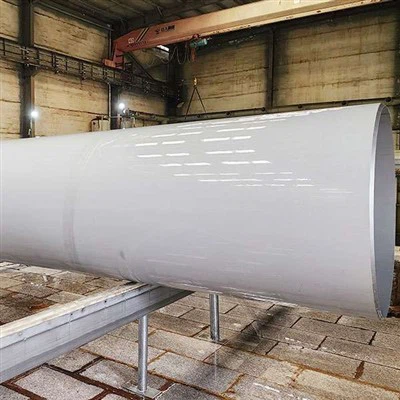
Aging is a natural process that affects everything, including materials like UNS N08367. As a supplier of UNS N08367, I've seen firsthand how aging can change the properties of this super austenitic stainless steel. In this blog, I'll break down how aging impacts UNS N08367 and what it means for those who use it.
Understanding UNS N08367
Before we dive into how aging affects UNS N08367, let's quickly go over what it is. UNS N08367 is a super austenitic stainless steel known for its excellent corrosion resistance, especially in environments with high chloride levels. It's got a high nickel and molybdenum content, which gives it that extra edge in tough conditions. You'll often find it in applications like desalination plants, chemical processing, and marine equipment.
The Basics of Aging in Metals
Aging in metals is all about changes that happen over time due to things like heat, stress, and exposure to the environment. When a metal ages, its microstructure can change, and that can lead to alterations in its mechanical and chemical properties. For UNS N08367, aging can occur during normal use or during heat treatment processes.
Impact on Mechanical Properties
One of the main ways aging affects UNS N08367 is through changes in its mechanical properties. Over time, the steel can become harder and more brittle. This is because aging can cause the formation of certain precipitates in the microstructure. These precipitates can act as barriers to the movement of dislocations, which are defects in the crystal structure of the metal. When dislocations can't move as easily, the metal becomes harder, but it also loses some of its ductility.
For example, if you're using UNS N08367 in a structural application, the increased hardness might seem like a good thing at first. But the loss of ductility means that the material is more likely to crack under stress. This can be a big problem, especially in applications where safety is a concern.
Effect on Corrosion Resistance
Another important aspect is the impact of aging on corrosion resistance. While UNS N08367 is known for its great corrosion resistance, aging can sometimes reduce this property. The formation of precipitates during aging can lead to a phenomenon called sensitization. Sensitization occurs when certain elements in the steel, like chromium, are depleted in the areas around the precipitates. This creates zones that are more susceptible to corrosion.
In environments with high chloride levels, such as in marine applications, the reduced corrosion resistance can be a major issue. Pitting corrosion, which is a localized form of corrosion, can become more likely. Pitting can lead to the formation of small holes in the material, which can eventually compromise its integrity.
Aging and Heat Treatment
Heat treatment is a common process used to modify the properties of metals. For UNS N08367, heat treatment can have a significant impact on how it ages. If the steel is heat-treated at the wrong temperature or for the wrong amount of time, it can accelerate the aging process.
For instance, if the steel is heated to a temperature where the precipitates form too quickly, it can lead to a more brittle material with reduced corrosion resistance. On the other hand, proper heat treatment can sometimes be used to control the aging process and improve the properties of the steel. This is why it's so important to work with a supplier who understands the heat treatment requirements of UNS N08367.
Comparing with Other Stainless Steels
It's also interesting to compare how UNS N08367 ages with other stainless steels. For example, Stainless Steel 316H / UNS 31609 / 1.4919 is another stainless steel that's commonly used in high-temperature applications. While it has good corrosion resistance, it doesn't have the same level of resistance as UNS N08367, especially in high-chloride environments. Aging can also affect its mechanical properties, but the specific changes might be different due to its different chemical composition.


Similarly, Stainless Steel 347 / UNS S34700 / 1.4550 is known for its good resistance to intergranular corrosion. However, aging can still have an impact on its properties, and it might not be as suitable as UNS N08367 in some applications.
And Stainless Steel 316LN / UNS S31653 / 1.4406, 1.4429 is a low-carbon version of stainless steel 316, which gives it better resistance to sensitization. But again, aging can still cause changes in its mechanical and corrosion properties.
Managing the Effects of Aging
So, how can you manage the effects of aging on UNS N08367? One approach is to carefully control the heat treatment process. By using the right temperature and time parameters, you can minimize the formation of precipitates and maintain the desired properties of the steel.
Another option is to perform regular inspections and maintenance. By monitoring the condition of the UNS N08367 components, you can catch any signs of aging-related issues early on. This can allow you to take corrective action before the problems become too severe.
Conclusion
In conclusion, aging can have a significant impact on the properties of UNS N08367. It can change the mechanical properties, making the steel harder and more brittle, and it can also reduce its corrosion resistance. However, by understanding these effects and taking appropriate measures, you can still get the most out of this excellent material.
If you're in the market for UNS N08367 or have questions about how aging might affect your specific application, don't hesitate to reach out. As a supplier, I'm here to help you make the right choices and ensure that you get the best performance from your materials. Let's start a conversation about your needs and how we can work together to find the best solutions.
References
- ASM Handbook Volume 1: Properties and Selection: Irons, Steels, and High-Performance Alloys
- Corrosion Resistance of Stainless Steels by George S. Wilde
- Metals Handbook: Desk Edition, Second Edition