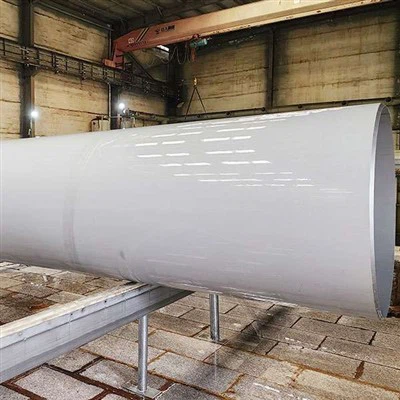
As a supplier of UNS S30400, I am often asked whether this material is suitable for use in chemical processing plants. In this blog post, I will delve into the properties of UNS S30400, its performance in chemical environments, and the factors to consider when determining its applicability in chemical processing plants.
Understanding UNS S30400
UNS S30400, also known as Stainless Steel 304, is one of the most widely used austenitic stainless steels. It contains approximately 18% chromium and 8% nickel, which gives it excellent corrosion resistance in a variety of environments. The austenitic structure of UNS S30400 provides good ductility, formability, and weldability, making it a popular choice for many applications.
Chemical Composition
The chemical composition of UNS S30400 plays a crucial role in its performance. Chromium forms a passive oxide layer on the surface of the steel, which protects it from corrosion. Nickel enhances the corrosion resistance and improves the toughness of the material. Additionally, small amounts of carbon, manganese, silicon, phosphorus, and sulfur are present in the alloy, which can affect its mechanical and corrosion properties.
Mechanical Properties
UNS S30400 has good mechanical properties, including high tensile strength and yield strength. It also has excellent ductility, which allows it to be easily formed into various shapes. The material has a relatively low hardness, which makes it suitable for applications where machining is required.
Performance in Chemical Environments
The performance of UNS S30400 in chemical processing plants depends on several factors, including the type of chemicals, temperature, pressure, and the presence of impurities.
Corrosion Resistance
UNS S30400 offers good corrosion resistance in many chemical environments, especially in mild to moderately corrosive conditions. It is resistant to corrosion by organic acids, such as acetic acid and citric acid, as well as some inorganic acids, such as sulfuric acid and nitric acid at low concentrations. However, it is not suitable for use in highly corrosive environments, such as those containing concentrated hydrochloric acid or hydrofluoric acid.
Resistance to Oxidation
The chromium in UNS S30400 forms a stable oxide layer on the surface of the steel, which provides good resistance to oxidation at elevated temperatures. This makes it suitable for use in applications where the material is exposed to high temperatures and oxidizing atmospheres.
Resistance to Stress Corrosion Cracking
Stress corrosion cracking (SCC) is a form of corrosion that occurs when a material is exposed to a corrosive environment under tensile stress. UNS S30400 is susceptible to SCC in certain environments, especially in the presence of chlorides and high temperatures. To prevent SCC, it is important to select the appropriate material and design the equipment to minimize stress.
Factors to Consider
When determining whether UNS S30400 is suitable for use in a chemical processing plant, the following factors should be considered:


Chemical Compatibility
It is essential to evaluate the chemical compatibility of UNS S30400 with the specific chemicals used in the process. This can be done through laboratory testing or by consulting with chemical compatibility charts. In some cases, alternative materials, such as Stainless Steel 316 / UNS S31600 / 1.4401, Stainless Steel 317 / UNS S31700 / 1.4449, or Stainless Steel 316L / UNS S31603 / 1.4404, may be more suitable for highly corrosive environments.
Temperature and Pressure
The temperature and pressure conditions in the chemical processing plant can significantly affect the performance of UNS S30400. Higher temperatures and pressures can increase the rate of corrosion and reduce the mechanical properties of the material. It is important to ensure that the material can withstand the operating conditions without compromising its integrity.
Impurities and Contaminants
The presence of impurities and contaminants in the chemicals or the environment can also affect the performance of UNS S30400. For example, chlorides can cause pitting corrosion and SCC, while sulfur compounds can reduce the corrosion resistance of the material. It is important to control the quality of the chemicals and the environment to minimize the risk of corrosion.
Design and Fabrication
The design and fabrication of the equipment can also impact the performance of UNS S30400. Proper design can minimize stress concentrations and prevent the accumulation of corrosive substances. Additionally, proper fabrication techniques, such as welding and surface finishing, can ensure the integrity of the material and improve its corrosion resistance.
Applications in Chemical Processing Plants
Despite its limitations, UNS S30400 is still widely used in chemical processing plants for a variety of applications, including:
Storage Tanks
UNS S30400 is commonly used for the construction of storage tanks for mild to moderately corrosive chemicals. The good corrosion resistance and formability of the material make it suitable for this application.
Piping Systems
UNS S30400 is also used for piping systems in chemical processing plants. The material can be easily welded and formed into various shapes, making it a cost-effective solution for transporting chemicals.
Heat Exchangers
UNS S30400 is used in heat exchangers due to its good thermal conductivity and corrosion resistance. It can withstand the high temperatures and pressures typically encountered in heat exchanger applications.
Reactors
In some cases, UNS S30400 can be used in reactors for mild to moderately corrosive reactions. However, for highly corrosive reactions, alternative materials may be required.
Conclusion
In conclusion, UNS S30400 can be used in chemical processing plants under certain conditions. Its good corrosion resistance, formability, and weldability make it a popular choice for many applications. However, it is important to carefully evaluate the chemical compatibility, temperature, pressure, and other factors to ensure that the material is suitable for the specific application. In some cases, alternative materials may be more appropriate for highly corrosive environments.
If you are considering using UNS S30400 in your chemical processing plant, I encourage you to contact me to discuss your specific requirements. As a supplier of UNS S30400, I can provide you with high-quality materials and technical support to help you make the right decision.
References
- ASM Handbook, Volume 13A: Corrosion: Fundamentals, Testing, and Protection
- Stainless Steel World Handbook
- Corrosion Resistance of Stainless Steels, Second Edition by George S. Was