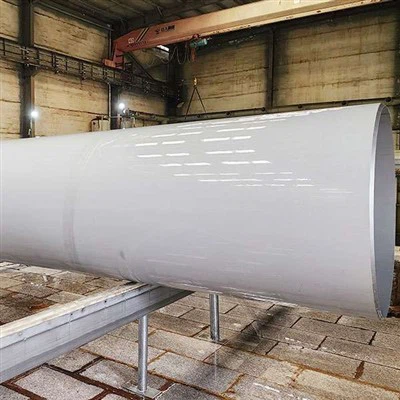
Hey there! As a supplier of UNS 31609, I often get asked if this material can be hot - forged. So, let's dive right into it and explore the ins and outs of hot - forging UNS 31609.

First off, what is UNS 31609? It's a type of stainless steel that's a variation of the well - known 316 stainless steel. UNS 31609 has a higher carbon content compared to standard 316, which gives it better strength at elevated temperatures. This makes it suitable for applications where high - temperature performance is crucial, such as in the aerospace, chemical processing, and power generation industries.
Now, onto the main question: Can it be hot - forged? The short answer is yes, UNS 31609 can be hot - forged, but there are some important factors to consider.

Understanding Hot - Forging
Hot - forging is a process where metal is heated to a specific temperature range and then shaped using compressive forces. The high temperature makes the metal more malleable, allowing it to be formed into various shapes. For UNS 31609, the ideal hot - forging temperature range is typically between 1010°C (1850°F) and 1175°C (2150°F).
When the steel is within this temperature range, its grain structure becomes more uniform, and it can flow more easily under pressure. This results in a better - formed part with improved mechanical properties. However, if the temperature is too low, the steel may crack during forging because it's not malleable enough. On the other hand, if the temperature is too high, the steel may experience grain growth, which can weaken the final product.
Advantages of Hot - Forging UNS 31609
There are several benefits to hot - forging UNS 31609. One of the main advantages is the improvement in mechanical properties. Hot - forging can refine the grain structure of the steel, making it stronger and more ductile. This is especially important for applications where the part will be subjected to high stress or dynamic loads.
Another advantage is the ability to create complex shapes. Since the steel is more malleable at high temperatures, it can be forged into intricate geometries that would be difficult or impossible to achieve with other manufacturing processes. This allows for greater design flexibility and can lead to more efficient and effective component designs.
Challenges in Hot - Forging UNS 31609
While hot - forging UNS 31609 is possible, it's not without its challenges. One of the main issues is the risk of oxidation. When the steel is heated to high temperatures, it can react with oxygen in the air to form an oxide layer on the surface. This oxide layer can cause problems during forging, such as poor surface finish and potential cracking.
To prevent oxidation, it's important to use a protective atmosphere or a suitable lubricant during the hot - forging process. A protective atmosphere, such as nitrogen or argon, can be used to displace the oxygen around the steel, reducing the risk of oxidation. Lubricants can also help to reduce friction between the die and the steel, which can improve the surface finish and prevent cracking.
Another challenge is the control of the forging temperature. As mentioned earlier, the temperature needs to be carefully monitored and maintained within the ideal range. This requires precise temperature control equipment and experienced operators. If the temperature is not properly controlled, it can lead to defects in the final product.
Comparing with Other Stainless Steels
It's interesting to compare UNS 31609 with other stainless steels in terms of hot - forging. For example, Stainless Steel 317L / UNS S31703 / 1.4438 is another austenitic stainless steel. It has a lower carbon content than UNS 31609, which means it may be more resistant to corrosion but could have slightly different hot - forging characteristics. The lower carbon content might make it a bit more forgiving in terms of temperature control during hot - forging, but it may not have the same high - temperature strength as UNS 31609.
Stainless Steel 254SMO / F44 / UNS S31254 / 1.4547 is a high - alloy stainless steel known for its excellent corrosion resistance. It contains a significant amount of molybdenum and nitrogen, which gives it unique properties. When it comes to hot - forging, 254SMO may require more careful temperature control and a different set of forging parameters compared to UNS 31609 due to its complex alloy composition.
Stainless Steel 347 / UNS S34700 / 1.4550 is stabilized with niobium, which helps to prevent intergranular corrosion. Similar to UNS 31609, it can be hot - forged, but the niobium in 347 may affect its forging behavior. The niobium can form carbides during the forging process, which can influence the grain structure and mechanical properties of the final product.
Quality Control in Hot - Forging UNS 31609
Quality control is crucial when hot - forging UNS 31609. After forging, the parts need to be inspected for defects such as cracks, porosity, and improper grain structure. Non - destructive testing methods, such as ultrasonic testing and magnetic particle testing, can be used to detect surface and subsurface defects.
In addition, mechanical testing should be performed to ensure that the forged parts meet the required specifications. Tensile testing, hardness testing, and impact testing are common methods used to evaluate the mechanical properties of the forged UNS 31609.

Conclusion and Call to Action
In conclusion, UNS 31609 can definitely be hot - forged, but it requires careful attention to temperature control, protection against oxidation, and proper quality control measures. If you're in the market for hot - forged UNS 31609 products or need more information about its hot - forging capabilities, I'd love to have a chat with you. Whether you're involved in the aerospace, chemical processing, or any other industry that requires high - performance stainless steel components, we can work together to meet your specific needs. So, don't hesitate to reach out and start a conversation about your procurement requirements.
References
- ASM Handbook Volume 14A: Metalworking: Forging.
- Stainless Steel Forging Handbook.
- Technical literature on UNS 31609 from steel manufacturers.