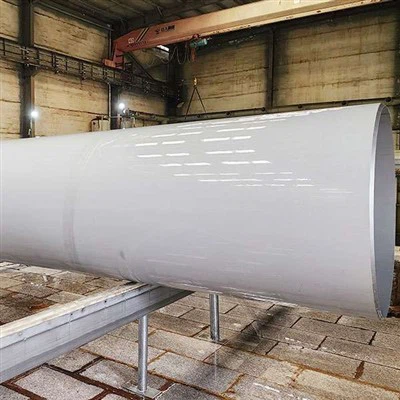
In the realm of aerospace engineering, the choice of materials is a critical decision that can significantly impact the performance, safety, and reliability of aircraft and spacecraft. One material that has gained significant attention in recent years is Inconel, a family of nickel-chromium-based superalloys known for their exceptional strength, corrosion resistance, and high-temperature performance. As a leading supplier of Inconel alloys, I am often asked whether Inconel can be used in aerospace applications. In this blog post, I will explore the properties of Inconel, its advantages and limitations in aerospace, and provide examples of its successful use in the industry.

Properties of Inconel
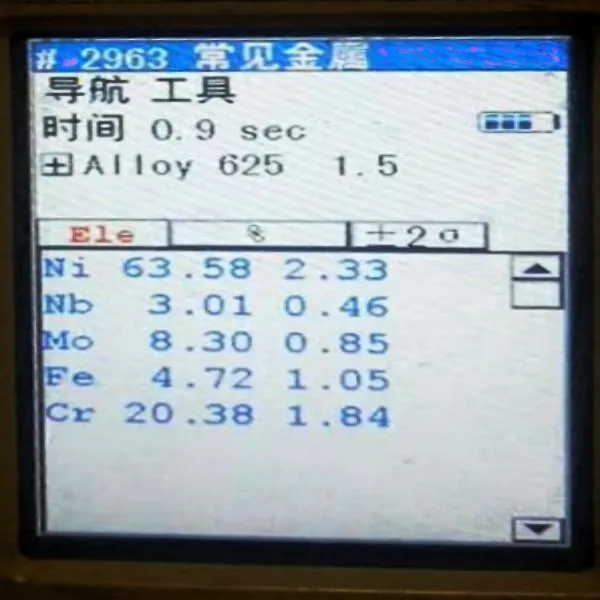
Inconel alloys are characterized by their high nickel content, typically ranging from 50% to 70%, along with significant amounts of chromium, iron, and other alloying elements such as molybdenum, niobium, and titanium. These elements work together to provide Inconel with a unique combination of properties that make it well-suited for aerospace applications.
- High-Temperature Strength: One of the most notable properties of Inconel is its ability to maintain its strength and integrity at elevated temperatures. This is due to the formation of a stable oxide layer on the surface of the alloy, which protects it from oxidation and corrosion. Inconel alloys can withstand temperatures up to 2,000°F (1,093°C) without significant loss of strength, making them ideal for use in high-temperature components such as turbine blades, combustion chambers, and exhaust systems.
- Corrosion Resistance: In addition to its high-temperature strength, Inconel also exhibits excellent corrosion resistance in a variety of environments, including seawater, acids, and alkalis. This makes it suitable for use in aerospace applications where components are exposed to harsh chemicals and corrosive substances. The corrosion resistance of Inconel is further enhanced by the addition of alloying elements such as molybdenum and niobium, which form a protective layer on the surface of the alloy.
- Weldability and Formability: Despite its high strength and corrosion resistance, Inconel alloys are relatively easy to weld and form. This makes them suitable for use in a variety of manufacturing processes, including casting, forging, and machining. Inconel can be welded using a variety of techniques, including gas tungsten arc welding (GTAW), gas metal arc welding (GMAW), and electron beam welding (EBW). The formability of Inconel allows it to be shaped into complex geometries, making it ideal for use in aerospace components such as airfoils, ducts, and brackets.
Advantages of Inconel in Aerospace Applications
The unique properties of Inconel make it an attractive choice for a wide range of aerospace applications. Here are some of the key advantages of using Inconel in the aerospace industry:
- Improved Performance: Inconel's high-temperature strength and corrosion resistance allow aerospace components to operate at higher temperatures and in more corrosive environments, resulting in improved performance and efficiency. For example, turbine blades made from Inconel can withstand higher temperatures and pressures, allowing engines to operate at higher speeds and produce more power.
- Enhanced Safety: The use of Inconel in aerospace components can enhance safety by reducing the risk of component failure due to corrosion, fatigue, or high-temperature damage. Inconel's corrosion resistance ensures that components remain structurally sound over their service life, while its high-temperature strength and fatigue resistance help to prevent cracking and other forms of damage.
- Weight Reduction: Inconel's high strength-to-weight ratio allows aerospace components to be designed with less material, resulting in weight reduction and improved fuel efficiency. This is particularly important in the aerospace industry, where every pound of weight saved can translate into significant cost savings over the life of an aircraft or spacecraft.
- Longevity: Inconel's excellent corrosion resistance and high-temperature performance ensure that aerospace components made from this material have a long service life. This reduces the need for frequent maintenance and replacement, resulting in lower operating costs and increased reliability.
Limitations of Inconel in Aerospace Applications
While Inconel offers many advantages in aerospace applications, it also has some limitations that need to be considered. Here are some of the key limitations of using Inconel in the aerospace industry:
- High Cost: Inconel alloys are relatively expensive compared to other materials commonly used in the aerospace industry, such as aluminum and steel. This can make them cost-prohibitive for some applications, particularly those where cost is a major factor.
- Difficult Machining: Inconel's high strength and hardness can make it difficult to machine, requiring specialized tools and techniques. This can increase the cost and complexity of manufacturing aerospace components made from Inconel.
- Susceptibility to Stress Corrosion Cracking: Inconel alloys are susceptible to stress corrosion cracking (SCC) in certain environments, particularly in the presence of chlorides and other corrosive substances. This can limit the use of Inconel in applications where components are exposed to these environments.
Examples of Inconel Use in Aerospace Applications
Despite its limitations, Inconel has been successfully used in a wide range of aerospace applications. Here are some examples of its use in the aerospace industry:
- Turbine Blades: Inconel is commonly used to manufacture turbine blades for aircraft engines. The high-temperature strength and corrosion resistance of Inconel allow turbine blades to operate at high temperatures and pressures, resulting in improved engine performance and efficiency. Inconel 718 / UNS N07718 / 2.4668 is a popular choice for turbine blade applications due to its excellent combination of high-temperature strength, corrosion resistance, and weldability.
- Combustion Chambers: Inconel is also used to manufacture combustion chambers for aircraft engines. The high-temperature strength and corrosion resistance of Inconel allow combustion chambers to withstand the extreme temperatures and pressures generated during combustion, resulting in improved engine performance and reliability. Inconel 625 / UNS N06625 / 2.4856 is a commonly used alloy for combustion chamber applications due to its excellent corrosion resistance and high-temperature strength.
- Exhaust Systems: Inconel is used to manufacture exhaust systems for aircraft and spacecraft. The high-temperature strength and corrosion resistance of Inconel allow exhaust systems to withstand the high temperatures and corrosive gases generated during engine operation, resulting in improved performance and durability. Inconel 601 / UNS N06601 / 2.4851 is a popular choice for exhaust system applications due to its excellent oxidation resistance and high-temperature strength.
- Aircraft Structural Components: Inconel is also used to manufacture aircraft structural components such as brackets, frames, and landing gear. The high strength-to-weight ratio of Inconel allows these components to be designed with less material, resulting in weight reduction and improved fuel efficiency. Inconel's corrosion resistance also ensures that these components remain structurally sound over their service life, reducing the risk of component failure due to corrosion or fatigue.
Conclusion
In conclusion, Inconel is a versatile and high-performance material that offers many advantages in aerospace applications. Its high-temperature strength, corrosion resistance, and weldability make it an ideal choice for a wide range of aerospace components, including turbine blades, combustion chambers, exhaust systems, and aircraft structural components. While Inconel has some limitations, such as its high cost and difficult machining, these can be overcome through careful design and manufacturing processes. As a leading supplier of Inconel alloys, I am committed to providing our customers with high-quality materials and technical support to help them achieve their aerospace applications' goals. If you are interested in learning more about our Inconel products or have any questions about using Inconel in your aerospace applications, please contact us to discuss your specific needs and requirements.
References
- ASM Handbook, Volume 2: Properties and Selection: Nonferrous Alloys and Special-Purpose Materials, ASM International, 1990.
- Metals Handbook, Volume 6: Welding, Brazing, and Soldering, ASM International, 1993.
- The Aerospace Materials Handbook, Third Edition, Society of Automotive Engineers (SAE), 2002.