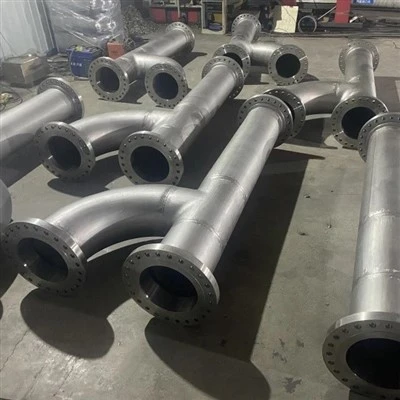
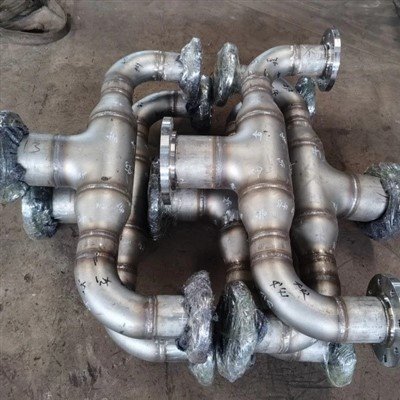
Monel K500, known by its unified numbering system code UNS N05500, is frequently described as a high performance alloy. But what exactly makes it so outstanding? This nickel-copper alloy is called a high-performance alloy because of its corrosion resistance, mechanical strength, and reliable performance.

In this blog, we'll delve into the characteristics that make monel K500 a material of choice for marine, oil and gas, and aerospace industries.
UNS N05500 High Performance Alloy
MONEL K500's classification as a high-performance alloy is built on several factors.
1. Exceptional Mechanical Strength
The most dramatic advantage of MONEL K500 over standard corrosion-resistant alloys is its dramatically enhanced strength achieved through age-hardening.
Enhanced Strength: When compared to MONEL 400, alloy K500 has approximately three times the yield strength and double the tensile strength .
Property Range: In the aged condition, its ultimate tensile strength can reach 110-140 ksi, with a yield strength of 65-100 ksi. This high strength is particularly valuable for heavily loaded components like pump shafts and propeller shafts.
2. Outstanding Corrosion Resistance
A strong material is of little use if it corrodes quickly. MONEL K500 retaining the excellent corrosion-resistant characteristics of MONEL 400. Its performance includes:
Marine Environments: Superior resistance to corrosion in seawater, even at high flow velocities, making it ideal for centrifugal pumps in the marine industry.
Chemical Resistance: Resistance to a wide range of environments, from pure water to non-oxidizing mineral acids, salts, and alkalis.
Sour Gas Service: It has been found resistant to sour-gas environments, such as those containing hydrogen sulfide, which is critical for oil and gas production equipment.

3. Performance Across a Wide Temperature Range
True high-performance materials must function reliably outside of room-temperature comfort zones. MONEL K500 maintains excellent mechanical properties from sub-zero temperatures up to about 480°C.
Its toughness and ductility remain virtually unimpaired even at cryogenic temperatures, with no ductile-to-brittle transition, making it suitable for applications like liquid hydrogen systems.
4. Specialized Physical Properties
MONEL K500 is virtually non-magnetic. This property, combined with its high strength and corrosion resistance, makes it invaluable for applications like oil-well surveying equipment and electronic components where magnetic interference must be avoided.
Table: Key Mechanical Property Comparison
|
Property |
MONEL 400 |
MONEL K500 |
|
Ultimate Tensile Strength |
70-100 ksi (480-690 MPa) |
110-140 ksi (760-965 MPa) |
|
Yield Strength (0.2% Offset) |
25-50 ksi (170-345 MPa) |
65-100 ksi (450-690 MPa) |
|
Hardness |
Rockwell B 60-75 |
Rockwell B 80-100 |
Monel K500 Cost
While Monel K500 has a higher initial cost than standard steels, its long service life and minimal maintenance reduce total ownership costs.
For example, its durability in seawater systems eliminates frequent replacements, making it economically superior in perpetually corrosive settings.

Conclusion
Monel K500, with its precipitation hardening strength, corrosion resistance, functional adaptability, and reliability, is a high-performance alloy. It meets the stringent requirements of the aerospace, marine, and energy sectors, and its performance typically outperforms stainless steel and titanium alloys, representing the pinnacle of materials engineering.
For specifications, please refer to ASTM B564 (flanges), AMS 4676 (bars), and NACE MR0175 (acidic environment suitability standard).