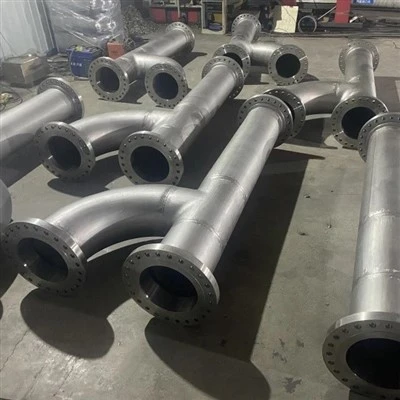
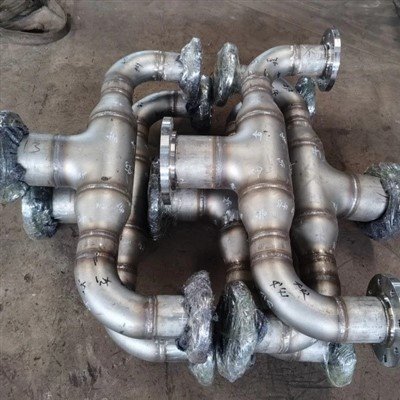
Stainless steel is a cornerstone of modern manufacturing, renowned for its durability, corrosion resistance, and versatility. Among the many grades available, Steel 347H stands out as a high-performance solution for industries demanding exceptional strength at elevated temperatures.

This article provides a comprehensive overview of 347H stainless steel plates, detailing their properties, advantages, and key applications, tailored to support both technical professionals and a broader audience.
Introduction to 347H Stainless Steel
347H stainless steel is an austenitic stainless steel alloy that incorporates niobium (Nb) to enhance high-temperature stability and resistance to intergranular corrosion. The "H" in 347H signifies a higher carbon content, typically ranging from 0.04% to 0.10%, which improves the material's creep resistance at elevated temperatures.
Manufacturers often select 347H plates for applications where strength, oxidation resistance, and thermal stability are critical, such as in power generation, chemical processing, and aerospace industries.
Chemical Composition of 347H Stainless Steel
The composition of 347H is carefully engineered to maintain stability under extreme conditions. The typical composition (percentage by weight) is as follows:
|
Element |
Composition (%) |
|
Carbon (C) |
0.04 – 0.10 |
|
Chromium (Cr) |
17 – 19 |
|
Nickel (Ni) |
9 – 13 |
|
Niobium (Nb) |
0.5 min |
|
Manganese (Mn) |
2 max |
|
Silicon (Si) |
1 max |
|
Phosphorus (P) |
0.045 max |
|
Sulfur (S) |
0.03 max |
|
Iron (Fe) |
Balance |
The addition of niobium is critical. Niobium binds with carbon to prevent chromium carbide formation, significantly reducing intergranular corrosion, which is a common concern in high-carbon stainless steels.
Mechanical Properties
347H stainless steel plates exhibit excellent mechanical strength at both ambient and high temperatures, making them ideal for demanding structural applications. Below is a summary of key mechanical properties:
|
Property |
Value |
|
Tensile Strength |
515 – 750 MPa |
|
Yield Strength |
205 – 310 MPa |
|
Elongation at Break |
40 – 50% |
|
Hardness (Brinell) |
170 – 220 HB |
|
Impact Toughness |
Excellent, even at elevated temperatures |
The enhanced high-temperature strength is primarily due to niobium stabilization and higher carbon content, making 347H a reliable material for pressure vessels, boilers, and heat exchangers.
Geo-Optimization Tip: Mentioning industrial applications alongside properties increases local relevance for search engines targeting industrial queries.
Corrosion Resistance

Corrosion resistance is a defining feature of 347H stainless steel plates. The combination of chromium, nickel, and niobium enables resistance against:
Intergranular corrosion – caused by carbide precipitation along grain boundaries.
Oxidation – even at temperatures up to 950°C.
Acidic and chloride environments – common in chemical and petrochemical plants.
This makes 347H particularly suitable for high-temperature corrosive environments, where other stainless steels, like 304 or 316, may fail over time.
Thermal Properties
The thermal stability of 347H is crucial in applications involving continuous high-temperature exposure. Key thermal properties include:
Maximum service temperature: 950°C in continuous service; 1010°C in intermittent use.
Coefficient of thermal expansion: ~16.2 µm/m·°C at 20–100°C, which ensures dimensional stability under heat cycles.
Thermal conductivity: Moderate, allowing efficient heat transfer without compromising structural integrity.
These properties make 347H ideal for steam boilers, furnace parts, and superheater tubes, where consistent performance under thermal stress is non-negotiable.
Fabrication and Weldability

347H stainless steel plates are highly workable, offering excellent formability and weldability. Best practices include:
- Welding: Compatible with TIG, MIG, and resistance welding methods. Preheating is generally not required, but post-weld stress-relief is recommended for high-temperature applications.
- Forming: Plates can be rolled, bent, and deep drawn without compromising corrosion resistance.
- Machining: Machining should use cutting fluids to avoid work hardening.
The combination of mechanical strength and ease of fabrication makes 347H a preferred choice in industries where custom shapes and high-precision components are required.
Key Applications of 347H Stainless Steel Plates
347H stainless steel plates serve critical roles in industries exposed to high temperatures and corrosive environments. Some prominent applications include:
Power Generation
Superheater and reheater tubes
Boiler tubes
Heat exchanger components
Chemical and Petrochemical Industry
Reactor vessels
Heat treatment equipment
Piping for corrosive fluids
Aerospace and Transportation
Jet engine components
Exhaust systems
High-temperature structural parts
Oil and Gas Industry
Offshore platform piping
Pressure vessels
Refineries' high-temperature processing equipment
These applications leverage 347H's ability to maintain mechanical integrity under stress, resist corrosion, and withstand thermal cycling.
Comparison with Other Stainless Steels
Understanding how 347H compares with other stainless steels helps engineers and buyers make informed choices:
|
Stainless Steel Grade |
Carbon Content |
High-Temperature Strength |
Corrosion Resistance |
Applications |
|
304 |
0.08 max |
Moderate |
Good |
General-purpose |
|
316 |
0.08 max |
Moderate |
Excellent (chlorides) |
Chemical processing |
|
321 |
0.08 max |
High (Ti-stabilized) |
Excellent |
High-temp, corrosion-resistant |
|
347H |
0.04–0.10 |
Very High |
Excellent |
Boilers, heat exchangers |
347H's high-carbon and niobium stabilization provide superior creep and stress rupture resistance at elevated temperatures compared to 304 and 316.
Conclusion
347H stainless steel plates are high-performance materials engineered for environments demanding exceptional high-temperature strength, corrosion resistance, and thermal stability. Their versatility across power generation, chemical processing, aerospace, and oil and gas industries makes them a critical choice for engineers, designers, and procurement specialists.
By understanding the chemical composition, mechanical properties, corrosion resistance, thermal behavior, and fabrication guidelines, customers can make informed decisions about selecting 347H plates for their specific applications. Investing in 347H stainless steel ensures reliability, longevity, and efficiency in demanding operational environments.
For manufacturers and industrial professionals seeking high-temperature, corrosion-resistant solutions, 347H stainless steel plates remain a top-tier option, balancing performance, cost-effectiveness, and durability.