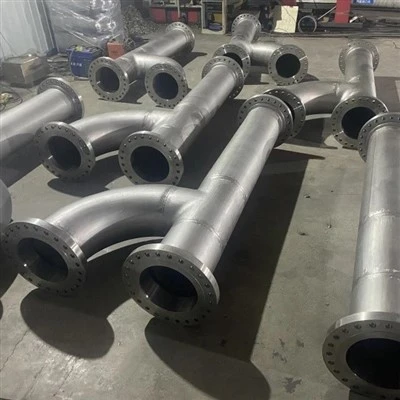
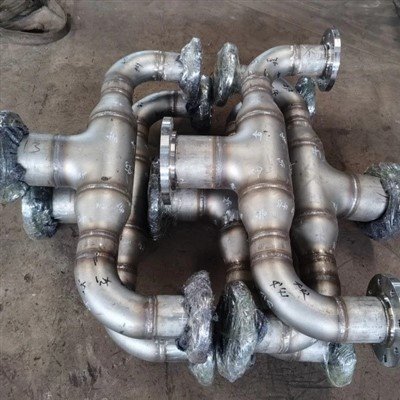
Stainless steel pipe is a cornerstone of modern infrastructure and industrial processes, prized for its exceptional corrosion resistance, strength, durability, hygiene, and relatively low maintenance requirements. Its unique properties make it the material of choice for countless demanding applications where failure is not an option.

Chemical and Petrochemical Processing
Transporting aggressive chemicals, acids, solvents, caustics, and process fluids under high pressure and temperature.
Exceptional resistance to a vast array of corrosive substances prevents leaks, contamination, and catastrophic failure. Grades like 316/L, 317/L, duplex 2205, 2507, and super austenitic 904L alloys are common. Handles high pressures and temperatures reliably.
Oil and Gas Exploration and Production
Transporting crude oil, natural gas, production fluids, injection water, and chemicals.
Stainless steel pipe resists corrosion from sour service, CO₂ corrosion, chloride stress corrosion cracking, and erosion. Essential for downhole tubing, umbilicals, flow lines, manifolds, and gas gathering systems, especially offshore. Duplex 2205, 2507 and super duplex grades are frequently specified.
Examples: Downhole tubing, casing, subsea flowlines, risers, process piping on platforms/FPSOs, injection water lines, and hydraulic lines.
Power Generation
Critical systems in fossil fuel, nuclear, and renewable power plants.
Stainless steel pipes have high-temperature oxidation and scaling, corrosion from boiler feedwater, condensate, cooling water, and flue gas desulfurization scrubber environments, and maintain strength at elevated temperatures. Grades like 304/L, 316/L, 321, 347, duplex, and nickel alloys are vital.
Examples: Boiler tubes, superheater/reheater tubes, feedwater lines, condenser tubes, cooling water systems, FGD piping, steam lines, nuclear reactor coolant piping.
Water and Wastewater Treatment
Transporting potable water, process water, seawater, sewage, sludge, and treatment chemicals.
Stainless steel pipe is non-toxic, prevents contamination of drinking water, and is highly resistant to corrosion from chlorinated water, various water chemistries, and aggressive wastewater. Long service life minimizes disruption. 304/L and 316/L are standard.
Examples: Potable water distribution mains, desalination plant piping, chemical dosing lines, filter underdrains, sludge handling pipes, effluent outfalls.
Food, Beverage and Pharmaceutical Processing
Transporting raw ingredients, finished products, cleaning solutions, steam, and process gases in hygienic environments.
Stainless steel pipe is non-reactive, non-toxic, and prevents flavor/color contamination, and it has an exceptionally smooth surface finish that minimizes bacterial adhesion and allows thorough cleaning/sterilization. Corrosion resistance to acids, salts, and cleaning agents is critical. 304/L and 316/L dominate.
Examples: Process piping for dairy, brewing, soft drinks, sauces, pharmaceuticals; CIP systems; product transfer lines; vent lines; utility steam and water.
Pulp and Paper Manufacturing
Handling corrosive chemicals at various stages of the digesters and bleach plants.
Stainless steel tube resists attack from highly corrosive liquors containing chlorides, chlorates, and strong acids/alkalis at elevated temperatures. Duplex steels 2205 and 317/L are often used in the harshest zones.
Examples: Digester piping, bleach plant piping, black/white liquor lines, and chemical recovery systems.
Construction and Building Services
Structural applications, transporting water and gases, and providing fire protection within buildings.
Steel pipe's corrosion resistance ensures long life, especially in coastal or de-icing salt environments. Aesthetic appeal for exposed applications. Fire resistance and strength.
Examples: Structural columns/trusses, roof drainage, potable water pipes, compressed air lines, natural gas distribution within buildings, fire sprinkler systems, handrails.
Automotive and Transportation
Exhaust systems, fuel lines, and structural components.
Stainless steel resists corrosion from road salt, exhaust condensate, and high temperatures in exhausts. Durability and weight savings. Ferritic grades 409 and 436 and austenitic grade 304 are typical.
Examples: Exhaust manifolds, catalytic converter housings, mufflers, tailpipes, fuel lines, brake lines, truck trailer frames.
Selecting the Right Stainless Steel Pipe Grade
The specific grade of stainless steel pipe is paramount for application success. Key selection factors include:
- Corrosive Environment: Identify specific chemicals, concentrations, temperatures, and contaminants.
- Temperature: Both operating and potential excursion temperatures.
- Pressure Requirements: Determines necessary wall thickness and strength.
- Mechanical Properties: Strength, toughness, fatigue resistance needed.
- Fabrication Needs: Weldability, formability requirements.
- Regulatory and Industry Standards: Compliance with codes and industry-specific requirements.
- Cost: Balancing performance requirements with budget.