Whether it is a furnace used to treat steel or a chemical reactor processing volatile gases, extreme temperatures can cause ordinary metals to warp, rust away, or simply shatter under pressure.

Components used in furnaces, heat exchangers, gas turbines, and chemical processing equipment must withstand extreme heat, mechanical stress, and corrosive environments. Inconel 601 plate, a nickel-chromium alloy, has emerged as a material of choice for engineers and manufacturers who require long-term performance, reliability, and safety in such challenging conditions.
This article explores the advantages of high-temperature Inconel 601 plates.
Exceptional High-Temperature Strength
One of the most significant benefits of Inconel 601 is its remarkable strength at elevated temperatures. The alloy maintains structural integrity even in continuous operation at temperatures up to 2,200°F (1,200°C). Unlike carbon steels or conventional stainless steels, which can weaken and deform under prolonged heat, Inconel 601 retains its mechanical properties, including tensile strength, creep resistance, and fatigue resistance. This ensures that components made from Inconel 601 plates can operate safely under extreme thermal stress, reducing the risk of structural failure and costly downtime.
The high-temperature strength of Inconel 601 is largely due to its high nickel content, which stabilizes the austenitic crystal structure. This makes the material ideal for applications involving thermal cycling, where repeated heating and cooling could otherwise cause cracks or deformation in less robust alloys. For industries such as aerospace, power generation, and petrochemicals, where thermal stability is non-negotiable, Inconel 601 provides unmatched reliability.
Superior Oxidation and Corrosion Resistance
In addition to high-temperature strength, Inconel 601 plates excel in resisting oxidation and corrosion, even in aggressive environments. The alloy forms a stable, protective oxide layer on its surface, which prevents further deterioration and extends service life. This makes Inconel 601 highly suitable for applications in chemical processing plants, furnaces, and heat exchangers, where exposure to oxidizing agents and corrosive gases is common.

Compared to conventional stainless steel grades, Inconel 601 demonstrates superior resistance to scaling and surface degradation at elevated temperatures. It can withstand intermittent or continuous exposure to air, nitrogen, and other oxidizing atmospheres without significant loss of performance. This corrosion resistance reduces maintenance requirements, minimizes replacement costs, and ensures that critical equipment continues to operate efficiently under harsh operating conditions.
Excellent Thermal Fatigue Resistance
In high-temperature environments, thermal fatigue is a major concern. Components often experience rapid temperature fluctuations, leading to microstructural stress and eventual cracking. Inconel 601 plates offer excellent resistance to thermal fatigue due to their unique combination of high-temperature strength and ductility. This allows the material to absorb thermal expansion and contraction without developing structural defects.
For industrial applications such as furnace components, burner parts, and heat shields, thermal fatigue resistance is essential for maintaining operational continuity. By minimizing the risk of cracks and deformations, Inconel 601 helps manufacturers reduce maintenance intervals, improve equipment lifespan, and enhance overall safety.
Resistance to Carburization and Sulfidation
In certain industries, heat is not the only threat. Chemical gases in the atmosphere can also damage metal. Two common forms of chemical attack are carburization and sulfidation.

Carburization happens when carbon from the environment penetrates the metal. This makes the metal brittle and prone to cracking. It is a common issue in petrochemical processing and heat treating furnaces. Inconel 601 has high resistance to carburization. Its stable structure prevents carbon from entering the material easily.
Sulfidation occurs when sulfur compounds react with the metal. This is common in waste incineration and coal processing. Sulfur can eat away at standard alloys quickly. The nickel content in Inconel 601 provides strong protection against sulfur attack. By resisting these chemical processes, Inconel 601 plates ensure that equipment remains safe and functional in harsh chemical environments.
Ease of Fabrication and Welding
A material might be strong, but if it is impossible to work with, it is not practical. Some high-temperature alloys are notoriously difficult to weld or form. They can crack during fabrication, leading to wasted material and delayed projects. Inconel 601 is different. It is known for its excellent workability.
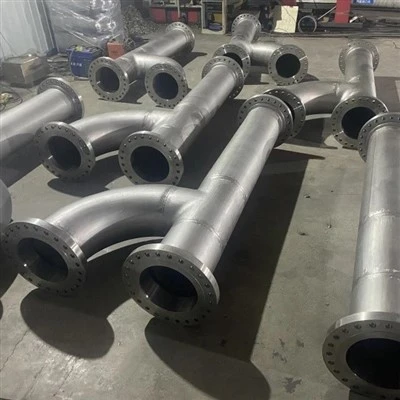
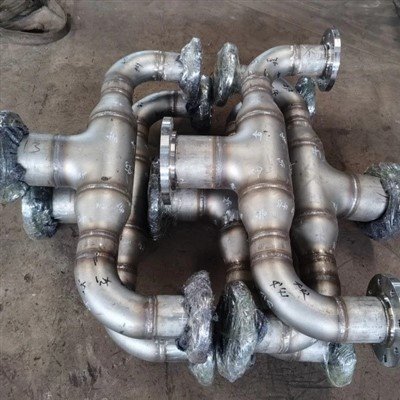
Our manufacturing facility finds that Inconel 601 plates can be formed using standard industrial techniques. They can be bent, rolled, and stamped without significant issues. Furthermore, welding Inconel 601 is straightforward. It can be welded using common processes like shielded metal arc welding and gas tungsten arc welding.
This ease of fabrication offers a clear advantage to engineers and contractors. It means that custom parts can be made quickly. It also reduces the risk of defects during construction. For a project manager, this translates to faster completion times and lower labor costs. You do not need specialized technicians to work with this material. Standard skilled workers can handle Inconel 601 with proper procedures, making it a logistically simpler choice than other superalloys.
Ready to upgrade your high-temperature components? Contact our team today for a quote or technical consultation.