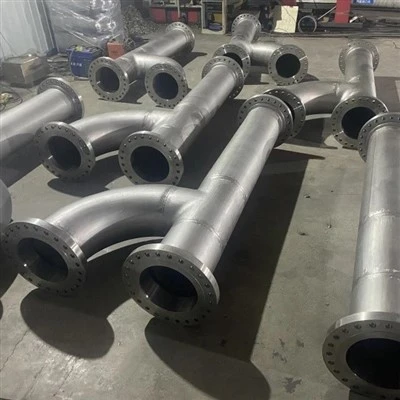
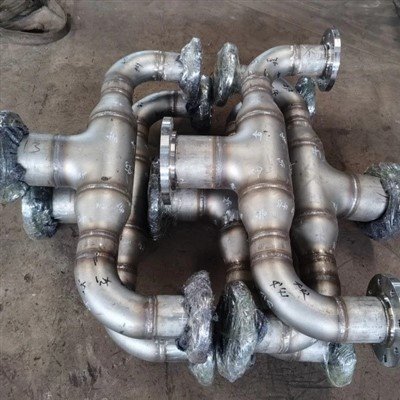
Grade 310S stainless steel is a highly alloyed austenitic material renowned for its exceptional resistance to high-temperature oxidation. Engineers frequently specify this grade for furnace components, heat exchangers, and combustion equipment. Understanding its limitations across different environments is critical for ensuring component longevity and process safety.

What is the Maximum Continuous Service Temperature of 310S in Air?
The maximum continuous service temperature for 310S in oxidizing air environments is 1,150°C (2,100°F).
310S contains high levels of chromium (24–26%) and nickel (19–22%). This high alloy content promotes the formation of a stable, adherent chromium oxide (Cr2O3) scale. This passive layer acts as a barrier, preventing oxygen diffusion and subsequent metal wastage. At temperatures exceeding 1,150°C, the protective scale begins to spall or grow at rates that no longer provide adequate protection, leading to rapid oxidation.
How Does Water Vapor (Steam) Affect 310S Oxidation Limits?
Steam significantly reduces the effective service temperature of 310S, typically lowering the limit to approximately 950°C–1,000°C.
In steam-rich environments, the mechanism of oxidation shifts. Water vapor can facilitate the formation of volatile chromium hydroxides at high temperatures, which destabilizes the protective chromium oxide scale. This accelerated consumption of the protective layer means that 310S exposed to high-temperature steam will oxidize at lower temperatures than it would in dry air. Proper ventilation or material selection must account for this 'steam-accelerated' oxidation.
What Are the Oxidation Constraints in Combustion Gases?
The service temperature in combustion gases is highly dependent on sulfur content, typically falling between 800°C and 1,050°C.
Combustion gases often contain contaminants such as sulfur (forming H2S or SO2), which drastically reduce the corrosion resistance of austenitic stainless steels. Sulfur interferes with the formation of the protective chromia scale, leading to 'sulfidation'-a rapid, catastrophic form of corrosion. In low-sulfur combustion environments, 310S performs similarly to air; however, in high-sulfur environments, the maximum operating temperature must be reduced to avoid sulfidation-induced failure.
Technical Summary for Material Selection
For optimal performance in high-temperature applications, engineers must assess the chemical composition of the operating environment: 1) Dry Air: 1,150°C; 2) Steam: <1,000°C; 3) Sulfur-containing gases: <800–1,050°C. Monitoring temperature cycling is also advised, as rapid thermal fluctuations can cause mechanical stress on the oxide scale, further reducing service life.