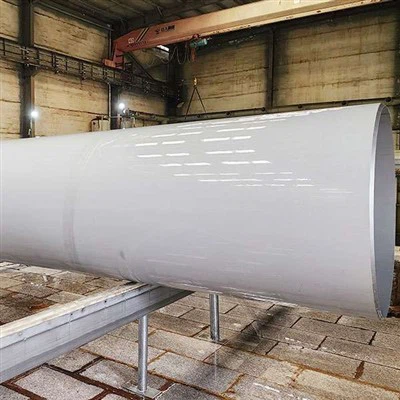
UNS S31600, commonly known as Stainless Steel 316, is a widely used austenitic stainless steel grade due to its excellent corrosion resistance, good formability, and high strength. As a supplier of UNS S31600, I often receive inquiries about the surface finish of this material. In this blog post, I will delve into the various surface finishes of UNS S31600, their characteristics, applications, and how they are achieved.
Understanding Surface Finish
Surface finish refers to the texture or topography of a material's surface. It plays a crucial role in the performance, appearance, and functionality of UNS S31600 products. The surface finish can affect corrosion resistance, cleanability, friction, and aesthetic appeal. Different applications require specific surface finishes to meet their unique requirements.
Common Surface Finishes of UNS S31600
No. 1 Finish
The No. 1 finish is a hot-rolled, annealed, and pickled surface. It has a dull, matte appearance and is the most basic surface finish for stainless steel. This finish is typically used in applications where appearance is not a primary concern, such as structural components, chemical processing equipment, and storage tanks. The No. 1 finish provides good corrosion resistance and is relatively easy to fabricate.
No. 2D Finish
The No. 2D finish is a cold-rolled, annealed, and pickled surface with a smooth, matte appearance. It is slightly smoother than the No. 1 finish and has better surface uniformity. The No. 2D finish is commonly used in applications where a smooth surface is required, such as food processing equipment, kitchen appliances, and architectural applications. It is also suitable for further processing, such as polishing or coating.
No. 2B Finish
The No. 2B finish is a cold-rolled, annealed, pickled, and skin-pass milled surface. It has a smooth, reflective appearance and is the most commonly used surface finish for stainless steel. The No. 2B finish provides good corrosion resistance, formability, and aesthetic appeal. It is widely used in a variety of applications, including automotive parts, medical equipment, and decorative applications.
No. 3 Finish
The No. 3 finish is a mechanically polished surface with a medium-grit abrasive. It has a semi-reflective appearance and a visible grain pattern. The No. 3 finish is commonly used in applications where a decorative or semi-polished surface is required, such as architectural trim, elevator panels, and signage. It provides good corrosion resistance and is relatively easy to clean.


No. 4 Finish
The No. 4 finish is a mechanically polished surface with a fine-grit abrasive. It has a smooth, reflective appearance and a less visible grain pattern than the No. 3 finish. The No. 4 finish is widely used in applications where a high-quality, polished surface is required, such as food and beverage processing equipment, pharmaceutical equipment, and sanitary applications. It provides excellent corrosion resistance and is easy to clean and maintain.
No. 8 Finish
The No. 8 finish, also known as a mirror finish, is a highly polished surface with a very smooth and reflective appearance. It is achieved by a multi-step polishing process using progressively finer abrasives. The No. 8 finish is commonly used in applications where a high level of aesthetic appeal is required, such as decorative architectural elements, jewelry, and high-end consumer products. It provides excellent corrosion resistance and is very easy to clean.
Achieving Different Surface Finishes
The surface finish of UNS S31600 can be achieved through various manufacturing processes, including hot rolling, cold rolling, annealing, pickling, and polishing. Each process has its own advantages and limitations, and the choice of process depends on the desired surface finish, material properties, and application requirements.
Hot Rolling
Hot rolling is a process in which the stainless steel is heated above its recrystallization temperature and then passed through a series of rolling mills to reduce its thickness and shape it into the desired form. Hot rolling can produce a variety of surface finishes, including the No. 1 finish. The hot-rolled surface has a rough texture and may require further processing to achieve a smoother finish.
Cold Rolling
Cold rolling is a process in which the stainless steel is rolled at room temperature to reduce its thickness and improve its surface finish. Cold rolling can produce a smoother and more uniform surface than hot rolling. The cold-rolled surface can be further processed through annealing, pickling, and polishing to achieve the desired surface finish.
Annealing
Annealing is a heat treatment process in which the stainless steel is heated to a specific temperature and then cooled slowly to relieve internal stresses and improve its ductility and corrosion resistance. Annealing is typically performed after cold rolling to prepare the material for further processing, such as polishing or coating.
Pickling
Pickling is a chemical process in which the stainless steel is immersed in an acid solution to remove surface oxides, scale, and other contaminants. Pickling is typically performed after hot rolling or annealing to clean the surface and prepare it for further processing. Pickling can improve the corrosion resistance of the stainless steel and enhance its surface finish.
Polishing
Polishing is a mechanical process in which the stainless steel surface is abraded with progressively finer abrasives to achieve a smooth and reflective finish. Polishing can be performed using a variety of methods, including belt polishing, buffing, and electrochemical polishing. The choice of polishing method depends on the desired surface finish, material properties, and application requirements.
Applications of Different Surface Finishes
The choice of surface finish for UNS S31600 depends on the specific application requirements. Here are some common applications of different surface finishes:
No. 1 Finish
- Structural components in buildings and bridges
- Chemical processing equipment
- Storage tanks for corrosive liquids
- Automotive exhaust systems
No. 2D Finish
- Food processing equipment
- Kitchen appliances
- Architectural applications, such as wall cladding and handrails
- Medical equipment
No. 2B Finish
- Automotive parts, such as trim and grilles
- Medical equipment, such as surgical instruments and implants
- Decorative applications, such as jewelry and watches
- Consumer products, such as cookware and cutlery
No. 3 Finish
- Architectural trim and accents
- Elevator panels and doors
- Signage and displays
- Furniture and fixtures
No. 4 Finish
- Food and beverage processing equipment
- Pharmaceutical equipment
- Sanitary applications, such as sinks and countertops
- Dairy and brewing equipment
No. 8 Finish
- Decorative architectural elements, such as columns and facades
- Jewelry and high-end consumer products
- Mirrors and reflective surfaces
- Art installations
Importance of Surface Finish in Corrosion Resistance
The surface finish of UNS S31600 can significantly affect its corrosion resistance. A smooth and clean surface is less likely to accumulate dirt, debris, and corrosive substances, which can lead to corrosion. The surface finish can also affect the formation of a passive oxide layer on the surface of the stainless steel, which provides protection against corrosion.
For example, the No. 4 finish and No. 8 finish are highly polished surfaces that provide excellent corrosion resistance due to their smooth and clean surfaces. These finishes are commonly used in applications where corrosion resistance is critical, such as in the food and beverage industry, pharmaceutical industry, and marine environment.
On the other hand, a rough or uneven surface can create crevices and pockets where corrosive substances can accumulate, increasing the risk of corrosion. The No. 1 finish, which has a rough texture, may require additional protection, such as coating or painting, to enhance its corrosion resistance.
Other Considerations
In addition to corrosion resistance, other factors should be considered when choosing the surface finish of UNS S31600, including:
Cleanability
A smooth and non-porous surface is easier to clean and maintain than a rough or textured surface. This is particularly important in applications where hygiene is critical, such as in the food and beverage industry and medical applications.
Friction
The surface finish can affect the friction coefficient of the stainless steel, which can be important in applications where friction plays a role, such as in automotive parts and machinery.
Aesthetic Appeal
The surface finish can significantly affect the appearance of the stainless steel product. The choice of surface finish should be based on the desired aesthetic effect and the overall design of the application.
Conclusion
As a supplier of UNS S31600, I understand the importance of surface finish in meeting the diverse needs of our customers. The surface finish of UNS S31600 can affect its performance, appearance, and functionality, and the choice of surface finish should be based on the specific application requirements.
Whether you need a basic No. 1 finish for structural components or a high-quality No. 8 finish for decorative applications, we can provide you with the right UNS S31600 products with the desired surface finish. Our team of experts can also provide you with technical support and advice to help you select the most suitable surface finish for your application.
If you are interested in purchasing UNS S31600 products or have any questions about surface finishes, please feel free to contact us for a consultation. We look forward to working with you to meet your stainless steel needs.
References
- ASM Handbook, Volume 13A: Corrosion: Fundamentals, Testing, and Protection
- Stainless Steel World Americas
- The Fabricator
For more information about other stainless steel alloys, you can visit the following links: