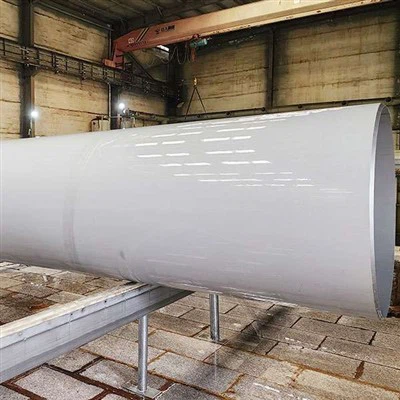
Hey there! As a supplier of Duplex S32205, I've been getting a lot of questions about the role of sulfur in this super useful alloy. So, I thought I'd sit down and write this blog to share what I know.
First off, let's talk a bit about Duplex S32205 itself. It's a really popular duplex stainless - steel grade. You might also know it as Duplex S32205 / F60. Duplex stainless steels like S32205 have a microstructure that's a mix of austenite and ferrite phases. This gives them a great combination of strength and corrosion resistance. They're used in all sorts of industries, from oil and gas to chemical processing and marine applications.
Now, onto sulfur. Sulfur is one of those elements that can have both positive and negative impacts on the properties of Duplex S32205.
The Negative Side of Sulfur in Duplex S32205
Sulfur is generally considered an impurity in most stainless - steel grades, and Duplex S32205 is no exception. When sulfur is present in relatively high amounts, it can form sulfide inclusions. These sulfide inclusions are not very stable and can cause a bunch of problems.
One of the main issues is that they can reduce the corrosion resistance of Duplex S32205. The sulfide inclusions act as sites for corrosion initiation. In environments where there are corrosive agents like chlorides (which are common in marine and chemical processing settings), these inclusions can be attacked, leading to pitting corrosion. Pitting corrosion is a big deal because it can cause localized damage that can quickly spread and compromise the integrity of the material.
Another problem is that sulfide inclusions can also reduce the ductility and toughness of Duplex S32205. Ductility is the ability of a material to deform without breaking, and toughness is its ability to absorb energy before fracturing. When there are a lot of sulfide inclusions, the material becomes more brittle. This means that it's more likely to crack under stress, which is a huge concern in applications where the material is subjected to mechanical loads.
The Positive Side of Sulfur in Duplex S32205
However, sulfur isn't all bad. In small, controlled amounts, sulfur can actually be beneficial. One of the main benefits is that it can improve the machinability of Duplex S32205. Machinability refers to how easily a material can be cut, drilled, or shaped using machining processes.
When sulfur is present in the right amount, it forms small sulfide particles that act as chip breakers during machining. These particles help to break up the chips into smaller pieces, which makes the machining process smoother and more efficient. This is really important in industries where a lot of machining is required to fabricate parts from Duplex S32205. For example, in the manufacturing of valves, pumps, and other components used in the oil and gas industry, good machinability can save a lot of time and money.
Controlling Sulfur Content in Duplex S32205
As a supplier, we pay a lot of attention to controlling the sulfur content in Duplex S32205. The standard sulfur content in Duplex S32205 is usually kept very low, typically less than 0.03%. This low sulfur content helps to minimize the negative effects of sulfur while still allowing for some of the positive effects, like improved machinability.
We use advanced melting and refining processes to control the sulfur content. For example, during the steel - making process, we can use desulfurization techniques. These techniques involve adding certain chemicals to the molten steel to react with the sulfur and remove it. By carefully controlling the amount of these chemicals and the process parameters, we can achieve the desired sulfur content in the final product.

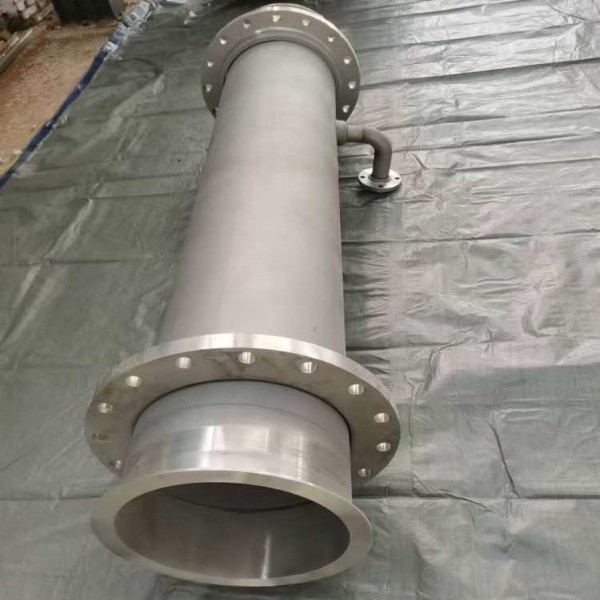
Comparison with Other Duplex Grades
It's also interesting to compare the role of sulfur in Duplex S32205 with other duplex grades, like Duplex S31803 / F51 / 1.4462. Both grades are duplex stainless steels, but they have slightly different compositions and properties.
In general, the sulfur content requirements for both grades are similar. However, the specific effects of sulfur can vary depending on the overall composition of the alloy. For example, the ratio of austenite to ferrite in each grade can influence how the sulfide inclusions interact with the microstructure. In Duplex S32205, which has a slightly different phase balance compared to S31803, the sulfide inclusions might have a slightly different impact on corrosion resistance and mechanical properties.
Applications and Sulfur Considerations
When it comes to applications, the sulfur content in Duplex S32205 can play a crucial role. In applications where corrosion resistance is the top priority, like in marine environments or chemical processing plants handling corrosive fluids, we make sure to supply Duplex S32205 with an extremely low sulfur content. This helps to ensure that the material can withstand the harsh conditions without succumbing to corrosion.
On the other hand, in applications where machinability is more important, like in the manufacturing of complex - shaped components, we can fine - tune the sulfur content to optimize the machinability while still maintaining an acceptable level of corrosion resistance.
Conclusion
So, to sum it up, sulfur in Duplex S32205 is a bit of a double - edged sword. It can have negative effects on corrosion resistance, ductility, and toughness when present in high amounts, but it can also improve machinability when carefully controlled. As a supplier, we're constantly working to find the right balance to meet the specific needs of our customers.
If you're in the market for Duplex S32205 and have questions about sulfur content or any other aspect of the material, don't hesitate to reach out. We're here to help you make the best choice for your application. Whether you need a high - corrosion - resistance grade or a grade optimized for machinability, we've got you covered.
References
- ASM Handbook Volume 3: Alloy Phase Diagrams
- Stainless Steel: A Guide to Selection and Application by the Nickel Institute