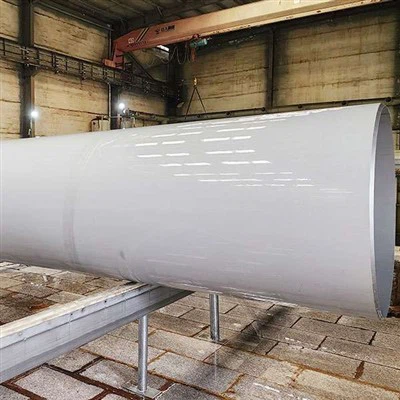
Phosphorus is one of the many elements that play a crucial role in the composition and performance of UNS S31700, a type of austenitic stainless steel. As a supplier of UNS S31700, I have witnessed firsthand how the presence and concentration of phosphorus can significantly impact the properties and applications of this material. In this blog post, I will delve into the role of phosphorus in UNS S31700, exploring its effects on the steel's mechanical, corrosion - resistant, and weldability characteristics.
Chemical Composition of UNS S31700
Before discussing the role of phosphorus, it's essential to understand the overall chemical composition of UNS S31700. This austenitic stainless steel typically contains 18 - 20% chromium (Cr), 13 - 16% nickel (Ni), 3 - 4% molybdenum (Mo), and a small amount of carbon (C), silicon (Si), manganese (Mn), sulfur (S), and phosphorus (P). The precise balance of these elements gives UNS S31700 its unique set of properties, making it suitable for a wide range of applications, especially in environments where corrosion resistance is critical.
Role of Phosphorus in Mechanical Properties
Phosphorus is generally considered an impurity in most steels, but in UNS S31700, it can have both positive and negative effects on mechanical properties.
Positive Effects
- Strength Enhancement: Phosphorus can contribute to the solid - solution strengthening of the steel. When dissolved in the iron matrix, phosphorus atoms interact with the crystal lattice, impeding the movement of dislocations. This results in an increase in the steel's yield strength and ultimate tensile strength. For applications where high strength is required, such as in structural components or pressure vessels, the presence of a small amount of phosphorus can be beneficial.
- Improved Machinability: In some cases, phosphorus can improve the machinability of UNS S31700. It forms phosphide particles that act as chip breakers during machining operations. These particles help to break the chips into smaller, more manageable pieces, reducing the cutting forces and improving the surface finish of the machined parts.
Negative Effects
- Reduced Ductility and Toughness: Excessive amounts of phosphorus can lead to a decrease in the ductility and toughness of UNS S31700. Phosphorus tends to segregate at grain boundaries, which can weaken the inter - granular bonding. As a result, the steel becomes more brittle and prone to cracking, especially under impact or cyclic loading conditions. Therefore, the phosphorus content in UNS S31700 is carefully controlled to maintain a balance between strength and ductility.
Impact on Corrosion Resistance
The corrosion resistance of UNS S31700 is one of its most important properties, and phosphorus can have a complex influence on this aspect.
Pitting and Crevice Corrosion
- Negative Influence: Phosphorus can increase the susceptibility of UNS S31700 to pitting and crevice corrosion. It can form phosphide inclusions or segregate at grain boundaries, which can act as initiation sites for corrosion. These sites are more likely to experience localized corrosion in the presence of aggressive environments, such as chloride - containing solutions. To minimize the risk of pitting and crevice corrosion, the phosphorus content in UNS S31700 is usually kept below a certain limit.
- Interaction with Other Elements: The effect of phosphorus on corrosion resistance can also be influenced by the presence of other elements in the steel. For example, molybdenum is known to improve the pitting and crevice corrosion resistance of UNS S31700. A proper balance between molybdenum and phosphorus is necessary to ensure optimal corrosion performance.
General Corrosion
In general, the impact of phosphorus on the general corrosion resistance of UNS S31700 is relatively minor compared to its effect on pitting and crevice corrosion. However, excessive phosphorus can still have a detrimental effect on the formation and stability of the passive film on the steel surface, which is responsible for protecting the steel from general corrosion.
Influence on Weldability
Weldability is another important consideration for UNS S31700, especially in applications where welding is required to fabricate components. Phosphorus can have a significant impact on the weldability of this steel.
Hot Cracking
- Increased Risk: Phosphorus can increase the risk of hot cracking during welding. It has a low melting point and tends to segregate at the grain boundaries in the weld pool. During the solidification process, the presence of phosphorus can cause the formation of low - melting - point eutectics, which can lead to the development of cracks in the weld metal. To prevent hot cracking, the phosphorus content in UNS S31700 is carefully controlled, and appropriate welding procedures are employed.
- Weld Metal Properties: Phosphorus can also affect the properties of the weld metal. It can change the microstructure and mechanical properties of the weld, potentially reducing its corrosion resistance and toughness. Therefore, it is crucial to ensure that the phosphorus content in the filler metal used for welding UNS S31700 is compatible with the base metal.
Controlling Phosphorus Content
As a supplier of UNS S31700, we understand the importance of controlling the phosphorus content to meet the specific requirements of our customers. We use advanced steel - making processes, such as electric arc furnace (EAF) melting followed by ladle refining, to precisely control the chemical composition of the steel. During the production process, we regularly monitor the phosphorus content through chemical analysis to ensure that it falls within the specified range.
Comparison with Other Stainless Steels
It's interesting to compare the role of phosphorus in UNS S31700 with other stainless steels, such as Stainless Steel 17 - 4PH / UNS S17400 / 1.4542, Stainless Steel AL6XN / UNS N08367 / 1.4529, and Stainless Steel 904L / UNS N08904 / 1.4539.

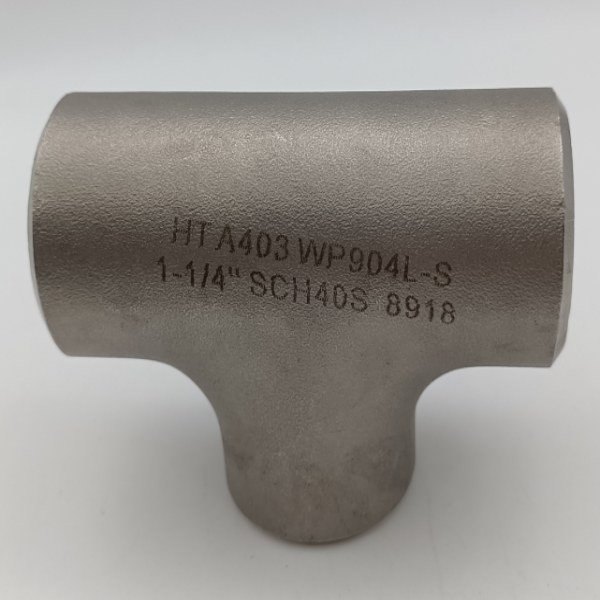
- Stainless Steel 17 - 4PH / UNS S17400 / 1.4542: This precipitation - hardening stainless steel has different requirements for phosphorus content compared to UNS S31700. In 17 - 4PH, phosphorus is also controlled to avoid negative effects on mechanical properties and corrosion resistance, but the specific limits and the way it interacts with other elements may vary due to the different alloying system.
- Stainless Steel AL6XN / UNS N08367 / 1.4529: AL6XN is a high - alloy austenitic stainless steel known for its excellent corrosion resistance in harsh environments. Similar to UNS S31700, the phosphorus content in AL6XN is carefully controlled to prevent pitting and crevice corrosion and to ensure good weldability.
- Stainless Steel 904L / UNS N08904 / 1.4539: 904L is a low - carbon, high - alloy austenitic stainless steel. Phosphorus in 904L can also affect its mechanical and corrosion - resistant properties. However, the specific role of phosphorus may be different due to the unique chemical composition and application requirements of this steel.
Applications of UNS S31700
The unique properties of UNS S31700, influenced by the role of phosphorus and other elements, make it suitable for a variety of applications.
- Chemical Processing Industry: Due to its excellent corrosion resistance, UNS S31700 is widely used in the chemical processing industry. It can be found in equipment such as reactors, storage tanks, and pipelines for handling corrosive chemicals, including acids, alkalis, and salts.
- Marine Environment: In the marine environment, where corrosion is a major concern, UNS S31700 is used in components such as shipbuilding, offshore platforms, and desalination plants. Its high resistance to pitting and crevice corrosion in seawater makes it an ideal choice for these applications.
- Food and Beverage Industry: The low carbon content and good corrosion resistance of UNS S31700 make it suitable for use in the food and beverage industry. It can be used in equipment such as tanks, pipes, and processing machinery, where hygiene and corrosion resistance are essential.
Conclusion and Call to Action
In conclusion, phosphorus plays a complex and important role in UNS S31700. While it can contribute to the strength and machinability of the steel, it also has the potential to negatively affect its ductility, corrosion resistance, and weldability. As a supplier, we are committed to providing high - quality UNS S31700 with precisely controlled phosphorus content to meet the diverse needs of our customers.
If you are in the market for UNS S31700 and have specific requirements regarding the phosphorus content or other properties, we invite you to contact us for a detailed discussion. Our team of experts is ready to assist you in selecting the right grade of UNS S31700 for your application and to provide you with the best possible product and service.
References
- ASM Handbook Volume 3: Stainless Steels, Tool Materials, and Special - Purpose Metals.
- Steelmaking and Refining Processes: Principles and Practice by G. Thomas and J. M. Bennett.
- Corrosion Resistance of Stainless Steels by R. Baboian.