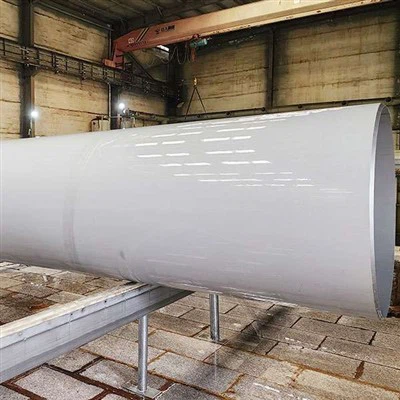
Duplex steel, a remarkable material in the world of metallurgy, combines the best of both austenitic and ferritic steels. As a trusted duplex steel supplier, I am often asked about its various properties, including its optical properties. In this blog, we will delve into what the optical properties of duplex steel are, and how they play a role in different applications.
Understanding Duplex Steel
Before we explore the optical properties, let's briefly understand what duplex steel is. Duplex steel has a microstructure consisting of approximately equal amounts of ferrite and austenite phases. This unique structure gives it a combination of high strength, good corrosion resistance, and excellent weldability. Common grades of duplex steel include Duplex S31803 / F51 / 1.4462 and Duplex S32205 / F60, which are widely used in industries such as oil and gas, chemical processing, and marine engineering.
Optical Properties of Duplex Steel
Reflectivity
One of the primary optical properties of duplex steel is its reflectivity. Reflectivity refers to the ability of a material to reflect light. Duplex steel has a relatively high reflectivity, especially when it is in a polished state. The smooth surface of polished duplex steel can reflect a significant amount of incident light, giving it a shiny and metallic appearance. This property makes duplex steel an attractive choice for applications where aesthetics are important, such as architectural structures, decorative elements, and consumer products.
The reflectivity of duplex steel is influenced by several factors, including the surface finish, the chemical composition of the steel, and the wavelength of the incident light. A smoother surface finish will generally result in higher reflectivity, as it reduces the scattering of light. The chemical composition of the steel can also affect its reflectivity, as different elements can absorb or reflect light in different ways. For example, elements such as chromium and nickel, which are commonly found in duplex steel, can enhance its reflectivity.
Absorption
In addition to reflectivity, duplex steel also has the property of absorption. Absorption refers to the ability of a material to absorb light and convert it into other forms of energy, such as heat. Duplex steel absorbs a certain amount of light, especially in the ultraviolet and infrared regions of the electromagnetic spectrum. The absorption of light by duplex steel is related to its electronic structure and the presence of impurities or defects in the material.
The absorption of light by duplex steel can have both positive and negative effects. On the one hand, the absorption of light can generate heat, which can be useful in some applications, such as solar collectors. On the other hand, excessive absorption of light can lead to heating of the material, which may cause thermal expansion and other problems. Therefore, it is important to consider the absorption properties of duplex steel when selecting it for specific applications.
Transparency
Duplex steel is generally considered to be an opaque material, which means that it does not allow light to pass through it. However, in some cases, thin sheets of duplex steel may exhibit a certain degree of transparency, especially in the visible light range. The transparency of duplex steel is very low compared to materials such as glass or plastic, but it can still be observed under certain conditions.
The transparency of duplex steel is mainly determined by its thickness and the wavelength of the incident light. As the thickness of the steel decreases, the probability of light passing through it increases. Similarly, light with a longer wavelength is more likely to pass through the steel than light with a shorter wavelength. The transparency of duplex steel is also affected by its surface finish and the presence of impurities or defects in the material.
Applications of Duplex Steel Based on Its Optical Properties
Architectural Applications
The high reflectivity of duplex steel makes it an ideal material for architectural applications. It can be used in building facades, roofing, and interior decoration to create a modern and stylish look. The shiny surface of duplex steel can reflect the surrounding environment, adding a sense of depth and dynamism to the architecture. In addition, the corrosion resistance of duplex steel ensures that it can maintain its appearance and performance over a long period of time, even in harsh environmental conditions.
Decorative Applications
Duplex steel is also widely used in decorative applications, such as jewelry, sculptures, and furniture. Its metallic luster and unique appearance make it a popular choice for designers and artists. The high reflectivity of duplex steel can enhance the visual impact of decorative objects, making them more eye-catching and attractive. Moreover, the strength and durability of duplex steel ensure that decorative items made from it can withstand daily use and handling.
Industrial Applications
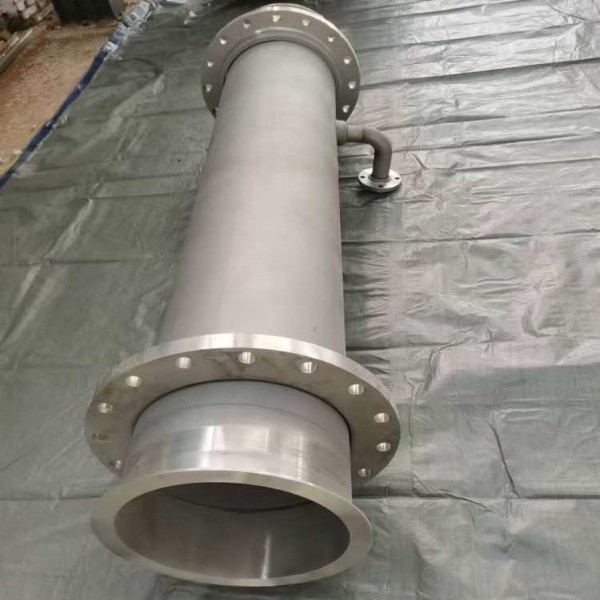
In industrial applications, the optical properties of duplex steel can also play an important role. For example, in the oil and gas industry, duplex steel pipes and fittings are often used in areas where visual inspection is required. The high reflectivity of the steel surface can make it easier to detect any defects or damage during inspection. In addition, the absorption of light by duplex steel can be utilized in some industrial processes, such as heat treatment and welding, where controlled heating is required.
Factors Affecting the Optical Properties of Duplex Steel
Surface Finish
The surface finish of duplex steel has a significant impact on its optical properties. A smooth and polished surface will have higher reflectivity and lower absorption compared to a rough or textured surface. There are several methods for achieving different surface finishes on duplex steel, including mechanical polishing, chemical polishing, and electroplating. Each method has its own advantages and disadvantages, and the choice of method depends on the specific requirements of the application.
Chemical Composition
The chemical composition of duplex steel also affects its optical properties. Different elements in the steel can have different effects on the absorption and reflection of light. For example, chromium, which is a major alloying element in duplex steel, can form a thin oxide layer on the surface of the steel, which enhances its reflectivity and corrosion resistance. Nickel, another important element, can also improve the reflectivity and toughness of the steel.
Heat Treatment
Heat treatment is a common process used to modify the properties of duplex steel. The optical properties of duplex steel can be affected by heat treatment, as it can change the microstructure and chemical composition of the steel. For example, annealing can reduce the internal stress in the steel and improve its ductility, but it may also affect the surface finish and reflectivity. Quenching and tempering can increase the strength and hardness of the steel, but they may also cause some changes in its optical properties.

Conclusion
In conclusion, the optical properties of duplex steel, including reflectivity, absorption, and transparency, play an important role in its various applications. The high reflectivity of duplex steel makes it suitable for architectural and decorative applications, while its absorption and transparency properties can be utilized in industrial processes. The optical properties of duplex steel are influenced by several factors, such as surface finish, chemical composition, and heat treatment. As a duplex steel supplier, I understand the importance of these properties and can provide high-quality duplex steel products that meet the specific requirements of different applications.
If you are interested in purchasing duplex steel for your project, whether it is for architectural, decorative, or industrial use, I invite you to contact me for further discussion. We can work together to select the most suitable grade and specification of duplex steel based on your needs, and ensure that you receive the best quality products and services.
References
- ASM Handbook, Volume 1: Properties and Selection: Irons, Steels, and High-Performance Alloys. ASM International.
- Duplex Stainless Steels: Properties, Performance, and Applications. The Nickel Institute.
- Materials Science and Engineering: An Introduction. William D. Callister Jr., David G. Rethwisch.