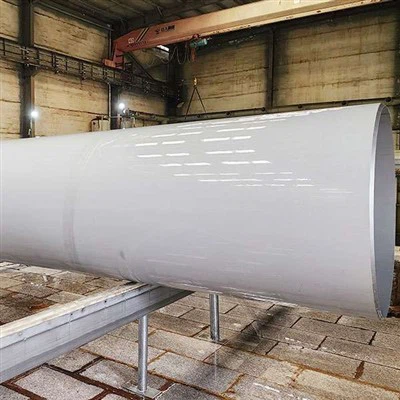
Hey there! As a supplier of UNS 31609, I often get asked about its various properties, and one question that pops up a lot is, "What is the melting point of UNS 31609?" So, let's dive right into it and explore this super important aspect of this amazing alloy.
First off, UNS 31609 is a type of stainless steel that's widely used in a bunch of industries because of its excellent corrosion resistance, high strength, and good weldability. It's like the all - rounder in the stainless - steel family. But when it comes to the melting point, it's not a single fixed number.
The melting point of UNS 31609 typically ranges from about 2,500°F to 2,550°F (1371°C to 1399°C). This range exists because the exact melting point can be influenced by a few factors. One of the main factors is the chemical composition of the alloy. UNS 31609 contains elements like chromium, nickel, and molybdenum, and the precise amounts of these elements can vary slightly from batch to batch.
Chromium is a key player here. It forms a thin, protective oxide layer on the surface of the steel, which gives it that great corrosion resistance. But it also affects the melting point. A higher chromium content can increase the melting point to some extent. Nickel, on the other hand, enhances the toughness and ductility of the alloy. And molybdenum boosts the corrosion resistance even further, especially against pitting and crevice corrosion. The interaction between these elements and their proportions can cause the melting point to fluctuate within that given range.
Another factor that can impact the melting point is the presence of impurities. Even though UNS 31609 is a high - quality alloy, there can still be small amounts of other elements or compounds present. These impurities can act as "defects" in the crystal structure of the steel and lower the melting point. For example, sulfur is an impurity that can reduce the melting point and also have a negative impact on the weldability of the alloy.
Now, why is knowing the melting point of UNS 31609 so important? Well, if you're involved in manufacturing processes like casting or forging, the melting point is crucial. In casting, you need to heat the alloy to its melting point to pour it into a mold and create the desired shape. If you don't heat it enough, it won't flow properly, and you'll end up with a defective product. On the other hand, overheating can cause problems like excessive oxidation or the formation of unwanted phases in the alloy.
In forging, the melting point helps determine the optimal temperature range for shaping the metal. You want to heat the alloy to a temperature where it's soft enough to be deformed but not so hot that it starts to melt. Understanding the melting point also helps in heat - treating processes. Heat treatment can improve the mechanical properties of the alloy, and the right temperature is essential for achieving the desired results.
When comparing UNS 31609 with other stainless - steel alloys, it's interesting to note the differences in melting points. For instance, Stainless Steel 321 / UNS S32100 / 1.4541 has a melting point range of around 2,550°F to 2,650°F (1399°C to 1454°C). This is slightly higher than that of UNS 31609. The higher melting point of Stainless Steel 321 can be attributed to its different chemical composition, which includes titanium. Titanium stabilizes the alloy and increases its resistance to intergranular corrosion at elevated temperatures.
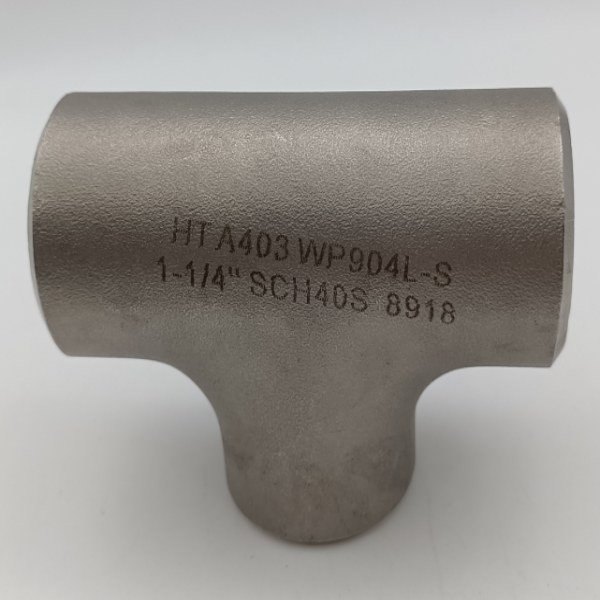

Stainless Steel 904L / UNS N08904 / 1.4539 has a melting point range of approximately 2,462°F to 2,550°F (1350°C to 1399°C). This alloy has a high nickel and copper content, which gives it excellent corrosion resistance in various aggressive environments. The melting point range overlaps with that of UNS 31609, but the differences in composition lead to different performance characteristics.
Stainless Steel 254SMO / F44 / UNS S31254 / 1.4547 has a melting point range of about 2,500°F to 2,550°F (1371°C to 1399°C), which is very similar to UNS 31609. However, Stainless Steel 254SMO has a higher molybdenum and nitrogen content, which gives it superior pitting and crevice corrosion resistance in chloride - containing environments.
As a supplier of UNS 31609, I can tell you that we take great care in ensuring the quality and consistency of our product. We conduct thorough chemical analysis and quality control checks on every batch to make sure that the chemical composition is within the specified range. This helps in maintaining a relatively consistent melting point and other properties of the alloy.
If you're in the market for high - quality UNS 31609, whether it's for a small - scale project or a large - scale industrial application, I'd love to have a chat with you. Understanding your specific needs is crucial, and I can provide you with the right grade and quantity of UNS 31609 that suits your requirements. We can discuss the best way to handle and process the alloy based on its melting point and other properties. So, don't hesitate to reach out if you're interested in purchasing UNS 31609.
In conclusion, the melting point of UNS 31609 is an important characteristic that can influence its performance in various manufacturing and engineering applications. By understanding the factors that affect the melting point and how it compares to other alloys, you can make more informed decisions when it comes to using this versatile stainless - steel alloy.
References:
- ASM Handbook Volume 1: Properties and Selection: Irons, Steels, and High - Performance Alloys
- Stainless Steel: A Practical Guide by George E. Totten and D. Scott MacKenzie