Hey there! As a supplier of duplex steel, I often get asked about the formability of this amazing material. So, let's dive right in and chat about what formability means when it comes to duplex steel.
First off, what is formability anyway? In simple terms, formability refers to how easily a material can be shaped or formed into different geometries without cracking, tearing, or losing its integrity. For duplex steel, this is a crucial characteristic because it's used in a wide range of applications where complex shapes are often required.
Duplex steel is a type of stainless steel that combines the best properties of austenitic and ferritic stainless steels. It has a two - phase microstructure, consisting of both austenite and ferrite phases. This unique structure gives duplex steel some really cool advantages when it comes to formability.
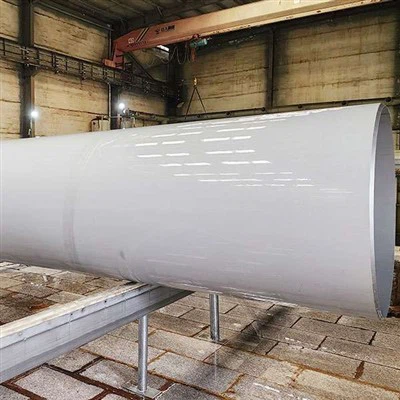
One of the key factors that affect the formability of duplex steel is its mechanical properties. Duplex steel typically has high strength and good ductility. The high strength means it can withstand the forces applied during forming processes without deforming too much. At the same time, its ductility allows it to stretch and bend without breaking. For example, when we're making pipes or tubes from duplex steel, the material needs to be able to be rolled and bent into the desired shape. The combination of strength and ductility in duplex steel makes this possible.
Another important aspect is the chemical composition of duplex steel. Different grades of duplex steel have slightly different chemical compositions, which can impact their formability. For instance, the Duplex S31803 / F51 / 1.4462 Duplex S31803 / F51 / 1.4462 grade is known for its good formability. It has a balanced chemical composition that provides a good balance between strength and ductility. This grade is often used in applications such as structural components, pressure vessels, and heat exchangers.

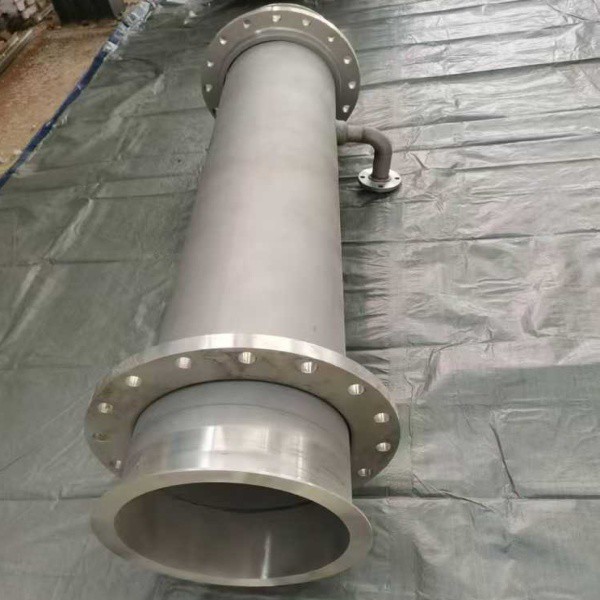
Similarly, the Duplex S32205 / F60 Duplex S32205 / F60 grade also offers excellent formability. It has a higher nitrogen content compared to some other grades, which enhances its strength and corrosion resistance while still maintaining good formability. This grade is commonly used in the oil and gas industry, where components need to be able to withstand harsh environments and complex forming processes.
Now, let's talk about the different forming processes that duplex steel can undergo. One of the most common processes is cold forming. Cold forming involves shaping the material at room temperature or slightly above. This process is often used for making small - to - medium - sized components such as bolts, nuts, and washers. Duplex steel can be cold - formed using processes like cold heading, cold rolling, and cold drawing. During cold forming, the material's grains are deformed, which can actually increase its strength. However, it's important to control the amount of deformation to avoid cracking.
Hot forming is another option for duplex steel. Hot forming is done at elevated temperatures, usually above 900°C. This process is suitable for making large - scale components such as heavy - duty pipes and structural parts. At high temperatures, the material becomes more malleable, making it easier to shape. However, hot forming also requires careful control of the temperature and cooling rate to ensure that the material retains its desired properties.
The surface finish of duplex steel also plays a role in its formability. A smooth surface finish can reduce friction during the forming process, making it easier to shape the material. Additionally, a good surface finish can prevent the initiation of cracks and improve the overall quality of the formed part.
When it comes to welding, which is often a part of the forming process for duplex steel, it's important to use the right welding techniques. Improper welding can lead to changes in the microstructure of the material, which can affect its formability and corrosion resistance. For example, using the wrong filler metal or welding at the wrong temperature can cause the formation of unwanted phases in the weld area, which can weaken the material.
In addition to the technical aspects, the formability of duplex steel also has economic implications. Because duplex steel can be formed into complex shapes with relatively high precision, it can reduce the need for additional machining and assembly operations. This can save time and money in the manufacturing process.
So, if you're in the market for a material that offers excellent formability along with high strength and corrosion resistance, duplex steel is definitely worth considering. Whether you're working on a small - scale project or a large - scale industrial application, our company can provide you with the right grade of duplex steel to meet your needs.
If you're interested in learning more about our duplex steel products or have any questions about formability, don't hesitate to reach out. We're here to help you find the best solution for your project. Contact us today to start a conversation about your requirements and let's see how we can work together to bring your ideas to life.
References
- ASM Handbook Volume 1: Properties and Selection: Irons, Steels, and High - Performance Alloys
- Duplex Stainless Steel: An Introduction, by various industry experts