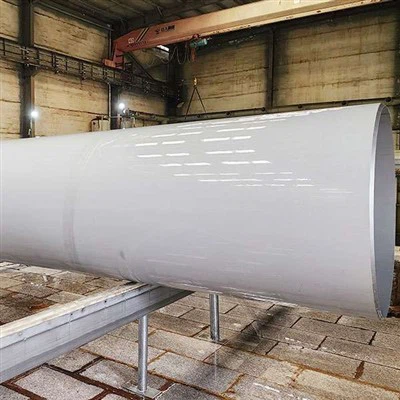
The depth of cut for machining UNS N08904 is a critical parameter that significantly impacts the machining process's efficiency, precision, and the quality of the final product. As a trusted supplier of UNS N08904, I am well - versed in the properties of this alloy and the machining considerations associated with it. In this blog post, I will delve into the factors that influence the depth of cut for machining UNS N08904, provide some general guidelines, and highlight the importance of choosing the right machining parameters.
Understanding UNS N08904
UNS N08904 is a super austenitic stainless steel with excellent corrosion resistance, high strength, and good formability. It contains high levels of chromium, nickel, and molybdenum, which contribute to its superior performance in various aggressive environments. This alloy is commonly used in applications such as chemical processing, food and beverage industry, and marine engineering where resistance to pitting, crevice corrosion, and general corrosion is required.
Similar to other stainless - steels, understanding the specific properties of UNS N08904 is essential for efficient machining. You can explore other high - performance stainless - steel alloys on our website. Check out the details of Stainless Steel 254SMO / F44 / UNS S31254 / 1.4547, Stainless Steel 316LN / UNS S31653 / 1.4406, 1.4429, and Stainless Steel 347 / UNS S34700 / 1.4550 to compare their properties and applications.
Factors Influencing the Depth of Cut
1. Tool Material
The type of cutting tool used plays a crucial role in determining the suitable depth of cut. Carbide tools are the most commonly used for machining UNS N08904 due to their high hardness and wear resistance. High - speed steel (HSS) tools can also be used, but they are generally less suitable for heavy - duty machining operations as they have lower heat resistance compared to carbide tools.
Carbide tools can withstand higher cutting forces and temperatures, allowing for larger depths of cut. For instance, fine - grained carbide tools can cut through UNS N08904 more effectively than coarser - grained ones. Additionally, coated carbide tools, such as TiN (Titanium Nitride) or TiAlN (Titanium Aluminum Nitride) coated tools, provide even better performance by reducing friction and wear, which enables a deeper and more efficient cut.
2. Machining Equipment
The power and rigidity of the machining equipment are important factors. A more powerful machine with high - torque capabilities can handle larger depths of cut. For example, a modern CNC lathe with a high - powered spindle motor can provide the necessary force to cut deeply into UNS N08904.
On the other hand, the rigidity of the machine and the toolholding system is also crucial. A rigid setup minimizes vibrations during the machining process, which is essential for maintaining a consistent depth of cut and achieving a high - quality surface finish. Any vibration can lead to inaccurate cuts and premature tool wear.
3. Workpiece Geometry
The shape and size of the UNS N08904 workpiece influence the depth of cut. Complex geometries with thin walls or small features may require smaller depths of cut to avoid causing damage to the workpiece. For example, if you are machining a UNS N08904 part with thin cross - sections, a large depth of cut can cause the part to deform or break due to the high cutting forces.
Similarly, internal features such as deep holes or narrow grooves may have limitations on the depth of cut based on the available tool access and the need to evacuate chips effectively.
4. Cutting Fluid
The use of cutting fluid is beneficial when machining UNS N08904. It helps in reducing heat generated during the cutting process, which is particularly important when using larger depths of cut. Cutting fluid also lubricates the tool - workpiece interface, reducing friction and wear on the cutting tool.
There are different types of cutting fluids, including water - soluble emulsions, synthetic fluids, and neat oils. The choice of cutting fluid depends on the specific machining operation and the requirements of the workpiece. For heavy - duty machining with larger depths of cut, a water - soluble emulsion with good cooling and lubrication properties is often a good choice.
General Guidelines for Depth of Cut
When machining UNS N08904, it is important to start with conservative depth - of - cut values and gradually increase them as the machining process is optimized.
For roughing operations, a depth of cut in the range of 1 - 3 mm can be considered as a starting point. Roughing is mainly focused on removing large amounts of material quickly, so a relatively larger depth of cut can be used. However, it is important to ensure that the machine, tool, and workpiece can withstand the cutting forces associated with this depth of cut.
For finishing operations, the depth of cut should be much smaller, typically in the range of 0.1 - 0.5 mm. Finishing operations aim to achieve a high - quality surface finish and dimensional accuracy, so a smaller depth of cut is required to minimize surface roughness and ensure precise dimensions.
It is also important to note that the feed rate and cutting speed should be adjusted in conjunction with the depth of cut. A general rule of thumb is to increase the feed rate slightly when increasing the depth of cut, but this should be done carefully to avoid excessive tool wear or poor surface finish.
Importance of Choosing the Right Depth of Cut
Selecting the appropriate depth of cut is essential for several reasons. Firstly, it affects the machining efficiency. A too - small depth of cut will result in a long machining time as more passes are required to remove the desired amount of material. On the other hand, a too - large depth of cut can lead to excessive tool wear, poor surface finish, and even damage to the workpiece or the machining equipment.


Secondly, the depth of cut impacts the quality of the final product. A consistent and appropriate depth of cut ensures dimensional accuracy and a smooth surface finish, which are crucial for the functionality of the UNS N08904 part.
Conclusion and Call to Action
In conclusion, the depth of cut for machining UNS N08904 is influenced by multiple factors such as tool material, machining equipment, workpiece geometry, and cutting fluid. By understanding these factors and following the general guidelines, you can optimize the machining process to achieve high efficiency and quality.
As a supplier of high - quality UNS N08904, I am committed to providing you with not only the best - quality materials but also valuable technical support. If you are planning to purchase UNS N08904 for your machining projects or have any questions about machining parameters, feel free to contact me for further discussion and procurement.
References
- ASM Handbook Volume 16: Machining.
- Machining Data Handbook, 3rd Edition.
- Technical literature on UNS N08904 from leading alloy manufacturers.