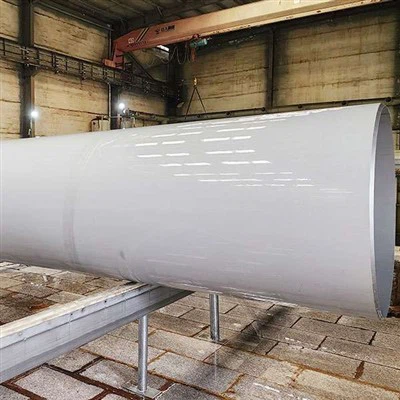
Hey there! As a supplier of duplex steel, I often get asked about the corrosion resistance of this amazing material. So, I thought I'd take a moment to share some insights and explain why duplex steel is such a popular choice when it comes to withstanding the test of time against corrosion.
First off, let's talk about what duplex steel actually is. Duplex steel is a type of stainless steel that has a two - phase microstructure, consisting of both austenite and ferrite. This unique combination gives it some really cool properties, especially when it comes to corrosion resistance.
One of the main factors that contribute to the corrosion resistance of duplex steel is its high chromium content. Chromium is a key element in stainless steels because it forms a thin, passive oxide layer on the surface of the steel. This layer acts as a protective barrier, preventing oxygen and other corrosive agents from reaching the underlying metal. In duplex steel, the chromium content is typically around 22 - 25%, which is quite high compared to some other types of stainless steel.
Another important alloying element in duplex steel is molybdenum. Molybdenum enhances the corrosion resistance of the steel, particularly in environments containing chloride ions. Chloride ions are found in many industrial and marine applications, and they can be very aggressive towards metals. They can cause pitting corrosion, which is a form of localized corrosion that can lead to the formation of small holes in the metal surface. The addition of molybdenum helps to prevent this type of corrosion by making the passive oxide layer more stable and resistant to chloride attack.
Nitrogen is also added to duplex steel in small amounts. Nitrogen has several beneficial effects on the steel's properties. It improves the strength of the steel, and it also enhances its corrosion resistance, especially in environments with low pH levels. It helps to prevent the breakdown of the passive oxide layer and reduces the risk of crevice corrosion, which occurs in tight spaces or crevices where the flow of oxygen and other corrosive agents is restricted.
Now, let's take a look at some specific types of duplex steel and their corrosion - resistant properties. One of the most commonly used duplex steels is Duplex S32205 / F60. This grade has excellent corrosion resistance in a wide range of environments, including marine, chemical, and petrochemical applications. It has a good balance of strength and toughness, and it can withstand high levels of stress without cracking.
Another popular grade is Duplex S31803 / F51 / 1.4462. This grade is also widely used in various industries due to its good corrosion resistance and mechanical properties. It is often used in applications where cost - effectiveness is important, as it offers a good balance between performance and price.
In marine applications, duplex steel really shines. The high chromium, molybdenum, and nitrogen content make it highly resistant to the corrosive effects of seawater. Seawater contains a high concentration of chloride ions, which can quickly corrode many types of metals. But duplex steel can withstand long - term exposure to seawater without significant corrosion. It is used in a variety of marine structures, such as offshore platforms, shipbuilding, and desalination plants.
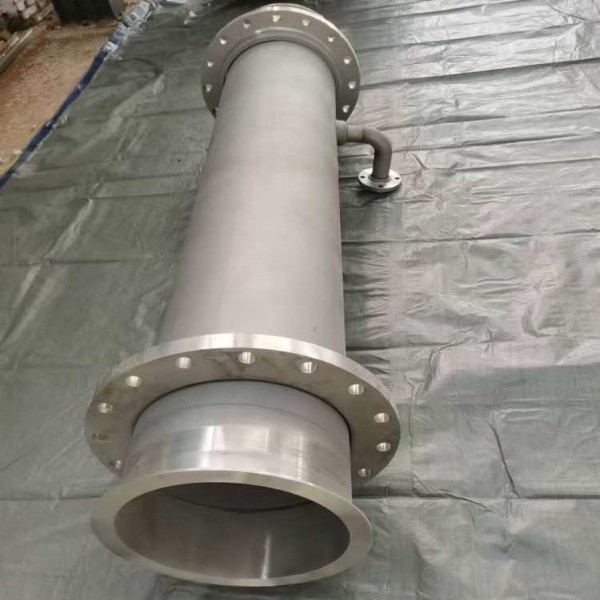
In chemical and petrochemical industries, duplex steel is also a top choice. These industries often deal with highly corrosive chemicals, such as acids, alkalis, and salts. Duplex steel's corrosion resistance allows it to be used in storage tanks, pipelines, and processing equipment without the risk of premature failure. It can handle a wide range of temperatures and pressures, making it suitable for a variety of chemical processes.
However, it's important to note that the corrosion resistance of duplex steel can be affected by several factors. The quality of the steel, the surface finish, and the environmental conditions all play a role. For example, if the steel is not properly heat - treated during the manufacturing process, it may have a non - uniform microstructure, which can reduce its corrosion resistance. Also, a rough surface finish can provide more sites for corrosion to start, so it's important to have a smooth surface.
In addition, the presence of other contaminants in the environment can also affect the corrosion resistance of duplex steel. For example, sulfur compounds can react with the steel and cause corrosion. So, it's important to consider all these factors when selecting duplex steel for a particular application.
If you're in the market for high - quality duplex steel, you've come to the right place. As a supplier, I can offer you a wide range of duplex steel products, including sheets, plates, pipes, and bars. I can also provide you with technical support and advice to help you choose the right grade of duplex steel for your specific application. Whether you're in the marine, chemical, or any other industry, I'm confident that I can meet your needs.
So, if you're interested in learning more about duplex steel or if you're ready to place an order, don't hesitate to get in touch. We can discuss your requirements in detail and find the best solution for you. Contact us today to start the conversation about your duplex steel needs!
References

- "Duplex Stainless Steels: An Overview" by ASM International
- "Corrosion Resistance of Stainless Steels" by NACE International
- Technical literature from major steel manufacturers on duplex steel grades