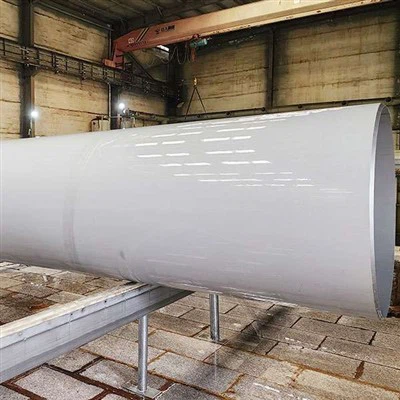
Hey there! As an Incoloy supplier, I've had my fair share of chats with customers about the different surface finish options for Incoloy. It's not just about looks; the right finish can also enhance performance and durability. So, let's dive into what's out there.
Why Surface Finish Matters
Before we get into the options, let's talk about why surface finish is such a big deal. A good surface finish can improve corrosion resistance, reduce friction, and make the material easier to clean. It can also impact the appearance, which is important for applications where aesthetics matter. For Incoloy, which is often used in harsh environments, the right finish can extend the lifespan of the product and reduce maintenance costs.
Common Surface Finish Options for Incoloy
Mill Finish
This is the most basic finish you'll find. It's the state in which the Incoloy comes straight from the manufacturing process. Mill finish usually has a rough texture and may have some minor imperfections like scratches or marks. While it's not the most visually appealing, it's perfectly suitable for applications where appearance isn't a priority, like in industrial settings where the material will be hidden or painted over.
Mechanical Finishes
- Polishing: Polishing is a popular option for Incoloy. It involves using abrasive materials to smooth the surface and create a shiny finish. There are different levels of polishing, from a simple buffing to a high - gloss mirror finish. A polished finish not only looks great but also improves corrosion resistance by reducing the surface area available for corrosion to occur. For example, in applications where Incoloy is used in food processing equipment, a polished finish makes it easier to clean and prevents the buildup of bacteria.
- Brushing: Brushing creates a unidirectional finish with a series of fine parallel lines. It gives the material a more uniform and aesthetically pleasing appearance compared to mill finish. Brushed finishes are often used in architectural applications, such as handrails or decorative panels. They can also help to hide minor scratches and fingerprints.
Chemical Finishes
- Passivation: Passivation is a chemical process that removes free iron from the surface of the Incoloy and forms a protective oxide layer. This layer enhances the material's corrosion resistance, especially in environments with high levels of moisture or chemicals. Passivated Incoloy is commonly used in chemical processing plants, marine applications, and the oil and gas industry.
- Pickling: Pickling involves immersing the Incoloy in an acid solution to remove scale, rust, and other impurities from the surface. It's often used in combination with passivation to achieve a clean and corrosion - resistant surface. Pickled finishes are typically used in applications where the material will be exposed to harsh chemicals or high - temperature environments.
Coating Finishes
- Paint Coating: Painting the Incoloy can provide an extra layer of protection against corrosion and also improve its appearance. There are different types of paints available, each with its own properties. For example, epoxy paints are known for their durability and chemical resistance, while polyurethane paints offer excellent UV resistance. Paint coatings are commonly used in outdoor applications, such as bridges or building facades.
- Plating: Plating involves depositing a thin layer of another metal onto the surface of the Incoloy. Common plating materials include nickel, chrome, and zinc. Plating can improve the material's corrosion resistance, wear resistance, and appearance. For instance, chrome - plated Incoloy is often used in automotive parts for its shiny and durable finish.
Surface Finish for Different Incoloy Grades
Incoloy comes in various grades, each with its own unique properties and applications. Here's a look at how surface finish options can vary for some popular grades:

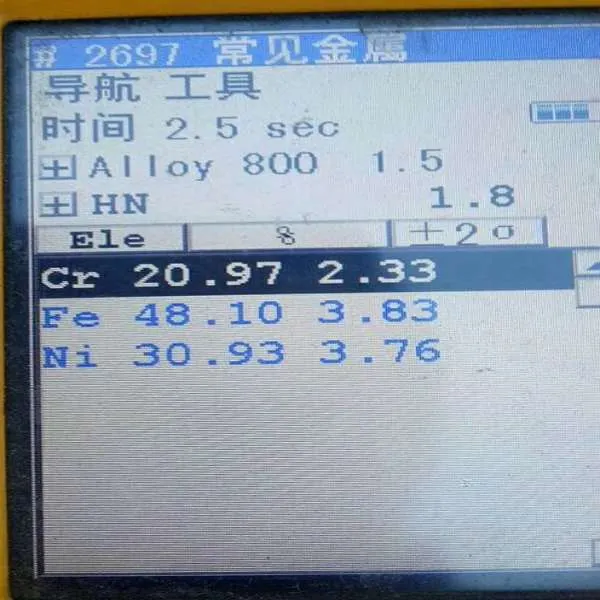
- Incoloy 800H / UNS N08810 / 1.4958: This grade is known for its high - temperature strength and oxidation resistance. A polished or passivated finish can further enhance its performance in high - temperature applications, such as in furnace components or heat exchangers.
- Incoloy 800HT / UNS N08811 / 1.4959: Similar to Incoloy 800H, Incoloy 800HT is used in high - temperature environments. A mill finish may be sufficient for some applications, but for better corrosion resistance and aesthetics, a mechanical or chemical finish like brushing or passivation is recommended.
- Incoloy 800 / UNS N08800 / 1.4876: This grade is widely used in various industries due to its good corrosion resistance and moderate strength. Depending on the application, a range of finishes can be used, from a simple mill finish for less critical applications to a high - gloss polished finish for decorative or high - performance applications.
Choosing the Right Surface Finish
Selecting the right surface finish for your Incoloy depends on several factors:
- Application Environment: Consider the conditions the Incoloy will be exposed to. If it's a corrosive environment, a passivated or coated finish may be necessary. For high - temperature applications, a finish that can withstand heat without degrading is essential.
- Aesthetic Requirements: If appearance is important, options like polishing or brushing can give the Incoloy a more attractive look. For architectural or consumer applications, aesthetics may be a key consideration.
- Cost: Different finishes come with different costs. Mill finish is usually the most cost - effective, while high - end finishes like mirror polishing or plating can be more expensive. You need to balance your requirements with your budget.
How We Can Help
As an Incoloy supplier, we have a wealth of experience in providing the right surface finishes for our customers. We work closely with you to understand your specific needs and recommend the best finish for your application. Whether you need a simple mill finish or a complex coated finish, we've got you covered.
If you're in the market for Incoloy and want to discuss the surface finish options, don't hesitate to reach out. We're here to answer your questions and help you make the right choice. Let's work together to find the perfect Incoloy solution for your project.
References
- ASM Handbook, Volume 5: Surface Engineering
- Corrosion Resistance of Incoloy Alloys - Technical Report by Special Metals Corporation
- Surface Finishing of Metals - A Practical Guide by John Doe