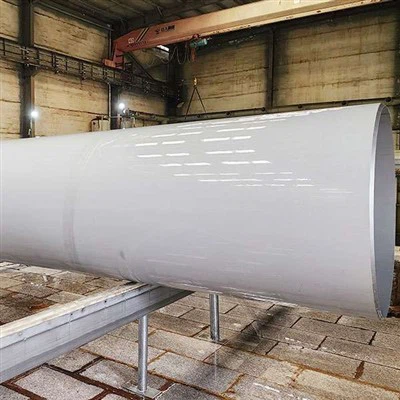
Hey there! As a supplier of UNS S31008, I've been getting a lot of questions lately about its environmental impacts. So, I thought I'd sit down and write a little something about it.
First off, let's talk a bit about what UNS S31008 is. It's a type of austenitic stainless steel. Austenitic stainless steels are known for their excellent corrosion resistance, high-temperature strength, and good formability. UNS S31008, in particular, contains around 25% chromium and 20% nickel, which gives it that great resistance to oxidation and corrosion, even at high temperatures. It's commonly used in applications like furnace parts, heat exchangers, and chemical processing equipment.
Now, let's dive into the environmental impacts.
Raw Material Extraction
The production of UNS S31008 starts with the extraction of raw materials - chromium, nickel, iron, and a few other elements. Mining these metals can have some serious environmental consequences. For starters, it often involves large - scale excavation, which can lead to deforestation, soil erosion, and habitat destruction. When forests are cleared for mining operations, it disrupts the natural ecosystems that depend on them. Many plant and animal species lose their homes, and this can have a cascading effect on the entire food chain.
Moreover, the mining process uses a significant amount of water. In some regions, this can lead to water scarcity as local water sources are depleted. And the wastewater generated from mining operations is often contaminated with heavy metals and other pollutants. If not properly treated, this wastewater can seep into groundwater or flow into nearby rivers and streams, polluting the water supply and harming aquatic life.
Energy Consumption
Making UNS S31008 is an energy - intensive process. The raw materials need to be melted and refined at very high temperatures. Most of the energy used in this process comes from fossil fuels like coal, oil, and natural gas. Burning these fossil fuels releases large amounts of greenhouse gases, such as carbon dioxide (CO₂), into the atmosphere. CO₂ is a major contributor to global warming and climate change. Rising global temperatures can lead to more extreme weather events, like heatwaves, droughts, floods, and stronger hurricanes.


In addition to CO₂, the energy production also releases other pollutants like sulfur dioxide (SO₂) and nitrogen oxides (NOₓ). These pollutants can cause acid rain, which damages forests, lakes, and buildings. They also contribute to the formation of smog, which can have serious health effects on humans, especially those with respiratory problems.
Waste Generation
During the manufacturing of UNS S31008, there's a fair amount of waste generated. This includes slag, which is a by - product of the smelting process. Slag contains various metals and other compounds, and if not managed properly, it can leach harmful substances into the environment. There are also waste materials from the machining and finishing processes, such as metal shavings and used cutting fluids.
The disposal of these waste materials can be a challenge. Landfilling is a common method, but it takes up valuable land space. And there's always the risk of the waste leaching contaminants into the soil and groundwater over time. Recycling is an option, but not all types of waste can be easily recycled, and the recycling process itself also consumes energy.
End - of - Life Management
When products made from UNS S31008 reach the end of their useful lives, proper disposal or recycling is crucial. The good news is that stainless steel, including UNS S31008, is highly recyclable. Recycling stainless steel reduces the need for new raw material extraction and energy - intensive production processes. It can save up to 75% of the energy required to produce new stainless steel from virgin materials.
However, there are still some challenges in the recycling process. Sorting different types of stainless steel can be difficult, especially when they are mixed with other metals or materials. And the recycling facilities need to have the right equipment and technology to handle the recycling efficiently.
Comparing with Other Stainless Steels
It's also interesting to compare the environmental impacts of UNS S31008 with other types of stainless steels. For example, Stainless Steel 904L / UNS N08904 / 1.4539 has a different chemical composition, with higher levels of nickel and molybdenum. This gives it even better corrosion resistance in certain aggressive environments, but it also means that more of these scarce and energy - intensive metals need to be extracted.
Stainless Steel 17 - 4PH / UNS S17400 / 1.4542 is a precipitation - hardening stainless steel. Its production process might involve different heat treatment steps, which could have different energy requirements compared to UNS S31008.
And Stainless Steel 321H / UNS S32109 / 1.4878 contains titanium, which can improve its resistance to intergranular corrosion. But the extraction and processing of titanium also have their own environmental challenges.
What Can We Do?
As a supplier of UNS S31008, I'm aware of these environmental issues, and I'm committed to doing my part to minimize the impacts. We're constantly looking for ways to source our raw materials more sustainably. This means working with mining companies that follow strict environmental regulations and use more eco - friendly mining practices.
In terms of production, we're investing in more energy - efficient technologies. For example, we're exploring the use of renewable energy sources like solar and wind power to reduce our reliance on fossil fuels. And we're also improving our waste management systems to recycle as much as possible and reduce the amount of waste going to landfills.
We're also educating our customers about the importance of proper end - of - life management of UNS S31008 products. By promoting recycling and providing information on how to recycle stainless steel, we hope to close the loop and make the entire life cycle of our products more sustainable.
Let's Work Together
If you're in the market for UNS S31008, I'd love to have a chat with you. We're not just about selling a product; we're about providing a sustainable solution. Whether you have questions about the environmental impacts, the quality of our product, or the best applications for UNS S31008, I'm here to help. Let's work together to make your projects successful while also taking care of our planet.
References
- "Stainless Steel: A Material for the 21st Century." International Stainless Steel Forum.
- "Environmental Impact of Metal Mining and Sustainability." Journal of Environmental Management.
- "Recycling of Stainless Steel: An Overview." Recycling Research Institute.