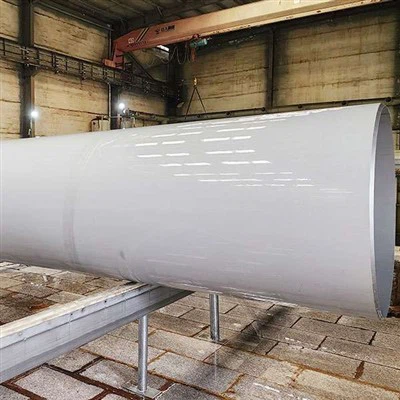
Hey there! I'm a supplier of UNS S31603, and while this stainless steel grade has its fair share of perks, it's not all sunshine and rainbows. In this blog, I'm gonna spill the beans on the disadvantages of using UNS S31603.
1. Cost Considerations
One of the most obvious drawbacks of UNS S31603 is its cost. Compared to some other stainless - steel grades, it's a bit on the pricier side. The reason behind this is the alloying elements it contains. UNS S31603 has a significant amount of nickel and molybdenum. Nickel is a valuable metal, and its price can be quite volatile in the global market. When the price of nickel spikes, the cost of producing UNS S31603 goes up, and these costs are then passed on to the customers.
For instance, if you're working on a large - scale project with a tight budget, the cost of using UNS S31603 might be a deal - breaker. You might start looking at alternatives like Stainless Steel 304 / UNS S30400 / 1.4301. Stainless Steel 304 is much more affordable because it has a lower content of nickel and no molybdenum. However, you have to keep in mind that lower cost usually means sacrificing some performance in certain environments.
2. Weldability Challenges
Welding UNS S31603 can be a bit of a headache. When you weld this stainless steel, there's a risk of sensitization. Sensitization occurs when chromium carbides form at the grain boundaries during the welding process. These carbides deplete the surrounding area of chromium, which is the element that gives stainless steel its corrosion - resistant properties. As a result, the welded area becomes more susceptible to intergranular corrosion.
To prevent sensitization, you need to use proper welding techniques and pre - and post - welding heat treatments. This adds an extra step to the manufacturing process, which means more time and more money. In some cases, if the welding is not done correctly, it can lead to premature failure of the welded joints.
On the other hand, Stainless Steel 316Ti / UNS S31635 / 1.4571 has titanium added to it. Titanium has a strong affinity for carbon, and it forms titanium carbides instead of chromium carbides during welding. This makes Stainless Steel 316Ti more weld - friendly compared to UNS S31603.
3. Limited High - Temperature Performance
UNS S31603 is not the best choice when it comes to high - temperature applications. At elevated temperatures, its mechanical properties start to degrade. The strength and creep resistance of UNS S31603 decrease as the temperature goes up. Creep is the gradual deformation of a material under a constant load over time.
For example, in applications where the material is exposed to temperatures above 800°F (about 427°C), UNS S31603 may not be able to maintain its shape and integrity. In such cases, you might want to consider Stainless Steel AL6XN / UNS N08367 / 1.4529. This alloy is specifically designed for high - temperature and high - pressure environments. It has better strength and corrosion resistance at elevated temperatures compared to UNS S31603.
4. Corrosion in Specific Environments
Even though UNS S31603 is known for its corrosion resistance, it's not invincible. In some specific environments, it can still corrode. For example, in environments with high concentrations of chlorides, such as seawater or some industrial cleaning solutions, UNS S31603 can be prone to pitting corrosion. Pitting corrosion is a form of localized corrosion where small holes or pits form on the surface of the metal.
These pits can penetrate deep into the material, weakening it over time. If left unchecked, pitting corrosion can lead to the failure of the component. In highly corrosive environments, you may need to use more corrosion - resistant alloys, which might be more expensive but offer better long - term performance.
5. Machinability Issues
Machining UNS S31603 can be a challenge. It has a tendency to work - harden during machining operations. Work - hardening means that the material becomes harder and more difficult to cut as you machine it. This can lead to increased tool wear and reduced tool life. You need to use sharp cutting tools and appropriate machining parameters to minimize work - hardening.
Moreover, the chips produced during machining can be stringy and difficult to break. This can cause problems in the machining process, such as chip clogging in the cutting tools or on the workpiece. In comparison, some other stainless - steel grades are more machinable and can be processed more efficiently.
Conclusion
So, there you have it, the disadvantages of using UNS S31603. But don't get me wrong, it still has its place in many applications. It offers good general corrosion resistance, and in many common environments, it performs really well. However, when you're faced with cost constraints, high - temperature requirements, specific corrosion challenges, or complex machining operations, you need to carefully weigh the pros and cons.


If you're still interested in UNS S31603 or want to discuss other alloy options for your project, feel free to reach out. I'm here to help you make the best choice for your specific needs.
References
- ASM Handbook Volume 13A: Corrosion: Fundamentals, Testing, and Protection
- Stainless Steel: A Practical Guide by John R. Davis