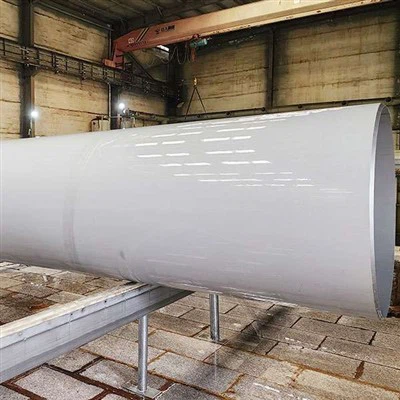
Hey there! I'm a supplier of UNS N08367, and today I wanna chat about the not - so - great aspects of using this alloy. Now, don't get me wrong, UNS N08367 has its perks, but it's important to know the downsides too, so you can make an informed decision when considering it for your projects.
High Cost
One of the biggest drawbacks of UNS N08367 is its cost. This alloy contains a significant amount of nickel, molybdenum, and nitrogen. Nickel is a relatively expensive metal, and the high percentage in UNS N08367 drives up the overall cost of production. Molybdenum, another key component, is also costly. The addition of nitrogen, which is used to enhance the alloy's strength and corrosion resistance, further adds to the expense.
Compared to more common stainless steels like Stainless Steel 317L / UNS S31703 / 1.4438 and Stainless Steel 316H / UNS 31609 / 1.4919, the price of UNS N08367 can be significantly higher. For projects with tight budgets, this can be a major deterrent. If you're working on a large - scale construction or manufacturing project, the cost difference between UNS N08367 and other alloys can add up quickly, making it an unaffordable option.

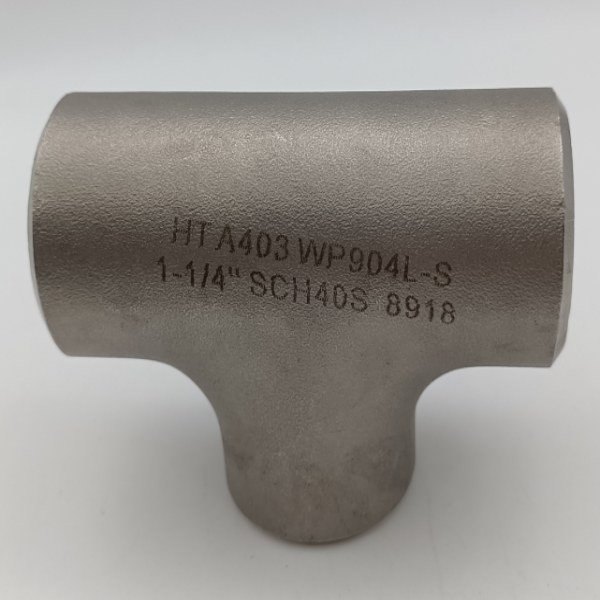
Difficult Machining
Machining UNS N08367 is no walk in the park. This alloy has high strength and toughness, which makes it resistant to deformation. While this is great for its performance in harsh environments, it poses challenges during machining processes.
During cutting operations, the high strength of UNS N08367 can cause excessive tool wear. The cutting tools need to be made of high - performance materials and have the right geometry to handle the alloy. Even with the best tools, the machining speed has to be relatively slow to avoid overheating and tool breakage. This slow machining speed means longer production times, which in turn increases labor costs.
Moreover, the alloy's tendency to work - harden during machining can lead to dimensional inaccuracies. As the material is cut, it hardens around the cutting area, making it even more difficult to achieve the desired shape and size. This requires additional finishing operations, such as grinding or polishing, to correct the dimensions, adding to the overall production cost and time.
Welding Challenges
Welding UNS N08367 presents several difficulties. First of all, the high alloy content in this material can lead to the formation of intermetallic phases during the welding process. These intermetallic phases can reduce the alloy's corrosion resistance and mechanical properties. To prevent this, special welding techniques and filler materials are required.
The welding process needs to be carefully controlled to avoid overheating the alloy. Overheating can cause grain growth in the heat - affected zone, which weakens the material. Additionally, the presence of nitrogen in the alloy can lead to the formation of porosity in the weld if the welding parameters are not properly adjusted.
Even with the right techniques and filler materials, post - weld heat treatment is often necessary to restore the alloy's properties. This additional step adds to the complexity and cost of the welding process. In comparison, other stainless steels like Stainless Steel 904L / UNS N08904 / 1.4539 are generally easier to weld and may not require such elaborate post - weld treatments.
Limited Availability
UNS N08367 is not as widely available as some other stainless steels. Due to its specialized composition and relatively high cost of production, not all suppliers stock this alloy. This limited availability can be a problem for customers who need the material urgently.
If you're in a hurry to start a project and can't find a local supplier with UNS N08367 in stock, you may have to wait for the material to be produced and shipped. This can cause delays in your project schedule, which can be costly, especially if there are deadlines to meet.
Susceptibility to Certain Corrosive Environments
Although UNS N08367 is known for its excellent corrosion resistance in many environments, it is not immune to all forms of corrosion. In some highly acidic or alkaline environments, especially those containing specific aggressive ions, the alloy may experience corrosion.
For example, in environments with high concentrations of fluoride ions, the protective oxide layer on the surface of UNS N08367 can be damaged, leading to localized corrosion. Similarly, in some sulfur - containing environments, the alloy may be prone to sulfide stress cracking. This means that you need to carefully assess the specific corrosive conditions of your application before choosing UNS N08367. If the environment is too harsh, other alloys may be a better choice.
Conclusion
As a supplier of UNS N08367, I understand that these disadvantages might seem like deal - breakers at first glance. However, it's important to remember that UNS N08367 also has many outstanding properties, such as excellent corrosion resistance in a wide range of environments, high strength, and good ductility.
If you're facing a situation where the benefits of UNS N08367 outweigh these drawbacks, I'd be more than happy to assist you. Whether you need help with material selection, understanding the machining and welding requirements, or getting a quote, feel free to reach out. We can have a detailed discussion to see if UNS N08367 is the right fit for your project.
References
- ASM Handbook, Volume 13A: Corrosion: Fundamentals, Testing, and Protection
- Welding Journal, various issues on high - alloy stainless steel welding
- Machining Data Handbook, Third Edition, for information on machining high - strength alloys