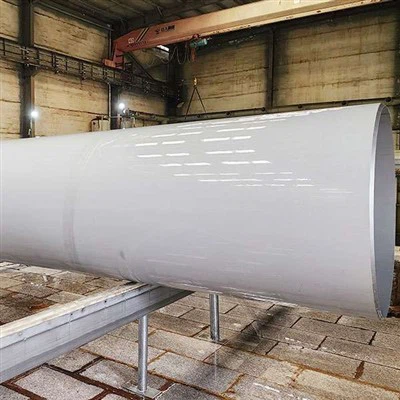
Incoloy is a group of nickel - iron - chromium - based superalloys that are well - known for their excellent corrosion resistance, high - temperature strength, and good fabricability. As a reliable Incoloy supplier, I am here to delve into the chemical components of Incoloy and explain how these elements contribute to its unique properties.
General Chemical Composition of Incoloy
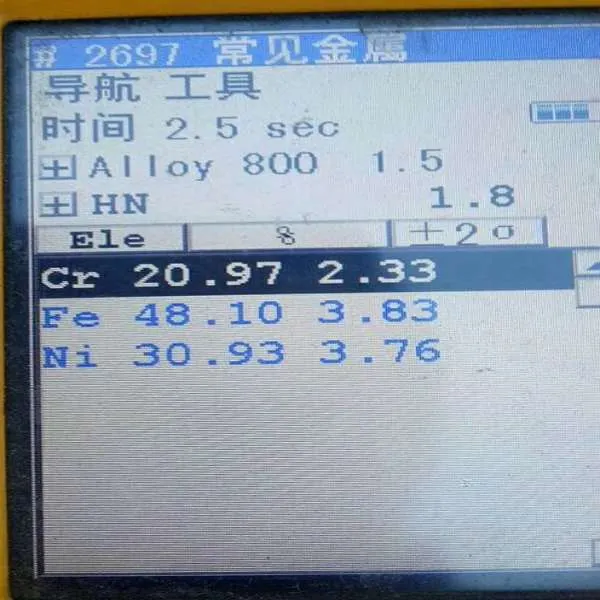
Incoloy alloys typically contain a combination of several key elements, each playing a crucial role in the alloy's performance. The main elements in Incoloy include nickel (Ni), iron (Fe), and chromium (Cr).
Nickel (Ni)
Nickel is a fundamental element in Incoloy alloys. It provides excellent resistance to corrosion, especially in reducing environments. Nickel also enhances the alloy's ductility and toughness, making it easier to form and machine. In most Incoloy alloys, the nickel content ranges from 30% to 67%. For example, in some high - nickel Incoloy grades, the nickel content can be as high as 67%, which significantly improves the alloy's resistance to stress - corrosion cracking and pitting corrosion.
Iron (Fe)
Iron is another major component of Incoloy. It is relatively abundant and cost - effective, which helps to keep the overall cost of the alloy down. Iron also contributes to the alloy's strength and magnetic properties. In Incoloy alloys, the iron content usually ranges from 20% to 60%. The presence of iron can also influence the alloy's phase stability at different temperatures, affecting its mechanical and corrosion - resistant properties.
Chromium (Cr)
Chromium is essential for providing oxidation resistance to Incoloy alloys. When exposed to high - temperature environments, chromium forms a thin, protective oxide layer on the surface of the alloy, which prevents further oxidation and corrosion. The chromium content in Incoloy alloys typically ranges from 18% to 23%. A higher chromium content generally leads to better oxidation resistance, especially in environments with high oxygen partial pressures.
Other Elements
In addition to the main elements, Incoloy alloys may also contain small amounts of other elements such as molybdenum (Mo), copper (Cu), titanium (Ti), aluminum (Al), and carbon (C), each with its own specific function.

- Molybdenum (Mo): Molybdenum enhances the alloy's resistance to pitting and crevice corrosion, especially in chloride - containing environments. It also improves the alloy's high - temperature strength by forming carbides and other strengthening phases.
- Copper (Cu): Copper can improve the alloy's resistance to certain types of corrosion, such as sulfuric acid corrosion. It also enhances the alloy's formability and weldability.
- Titanium (Ti) and Aluminum (Al): Titanium and aluminum are often added to Incoloy alloys to form gamma - prime (γ') precipitates, which significantly strengthen the alloy at high temperatures. These elements also help to improve the alloy's resistance to oxidation and carburization.
- Carbon (C): Carbon can form carbides with other elements, such as chromium and titanium, which can improve the alloy's strength and hardness. However, excessive carbon content can also lead to the formation of chromium carbides at grain boundaries, reducing the alloy's corrosion resistance. Therefore, the carbon content in Incoloy alloys is carefully controlled.
Chemical Composition of Specific Incoloy Grades
Let's take a closer look at the chemical composition of some common Incoloy grades:
Incoloy 800 / UNS N08800 / 1.4876
Incoloy 800 / UNS N08800 / 1.4876 has a chemical composition of approximately 32 - 38% nickel, 19 - 23% chromium, and the balance iron. It also contains small amounts of titanium (0.15 - 0.60%) and aluminum (0.15 - 0.60%). This grade is known for its good resistance to oxidation, carburization, and sulfidation at high temperatures. It is widely used in applications such as heat exchangers, furnace components, and chemical processing equipment.
Incoloy 800H / UNS N08810 / 1.4958
Incoloy 800H / UNS N08810 / 1.4958 has a similar chemical composition to Incoloy 800 but with a higher carbon content (0.05 - 0.10%) and a more precise control of titanium and aluminum content. The higher carbon content helps to improve the alloy's high - temperature strength by forming carbides. This grade is suitable for use in high - temperature applications where creep and rupture strength are required, such as in power generation and petrochemical industries.
Incoloy 800HT / UNS N08811 / 1.4959
Incoloy 800HT / UNS N08811 / 1.4959 is a modified version of Incoloy 800H. It has a slightly higher carbon content (0.06 - 0.10%) and is designed to have better long - term stability at high temperatures. The precise control of alloying elements in Incoloy 800HT ensures consistent high - temperature performance, making it ideal for use in applications such as heat - treating furnaces and radiant tubes.
How Chemical Composition Affects Properties
The chemical composition of Incoloy alloys directly affects their mechanical, physical, and corrosion - resistant properties.
Mechanical Properties
The presence of elements such as nickel, chromium, and molybdenum contributes to the alloy's strength and toughness. For example, nickel enhances ductility, while chromium and molybdenum form strengthening phases that improve the alloy's high - temperature strength. The addition of titanium and aluminum can also significantly increase the alloy's strength at high temperatures through the formation of gamma - prime precipitates.
Corrosion Resistance
The combination of nickel, chromium, and other alloying elements provides excellent corrosion resistance in a wide range of environments. Nickel resists corrosion in reducing environments, while chromium forms a protective oxide layer in oxidizing environments. Molybdenum and copper further enhance the alloy's resistance to pitting and crevice corrosion in chloride - containing and acidic environments, respectively.
Physical Properties
The chemical composition also affects the alloy's physical properties, such as density, thermal conductivity, and coefficient of thermal expansion. For example, the high nickel content in some Incoloy alloys results in a relatively high density. The presence of iron and other elements can influence the alloy's thermal conductivity, which is important in heat - transfer applications.
Applications of Incoloy Based on Chemical Composition
Due to their unique chemical composition and resulting properties, Incoloy alloys are used in a variety of industries:
- Chemical Processing: Incoloy alloys are widely used in chemical processing equipment, such as reactors, heat exchangers, and piping systems. Their excellent corrosion resistance in aggressive chemical environments makes them suitable for handling acids, alkalis, and other corrosive substances.
- Power Generation: In the power generation industry, Incoloy alloys are used in components such as boiler tubes, superheaters, and steam generators. Their high - temperature strength and oxidation resistance ensure reliable operation in high - temperature and high - pressure environments.
- Petrochemical Industry: Incoloy alloys are used in refineries and petrochemical plants for applications such as distillation columns, heat exchangers, and storage tanks. Their resistance to corrosion and high - temperature performance make them suitable for handling crude oil, refined products, and other petrochemicals.
- Aerospace and Marine Applications: Incoloy alloys are also used in aerospace and marine applications due to their high strength - to - weight ratio and corrosion resistance. They are used in components such as aircraft engines, landing gear, and marine propulsion systems.
Conclusion
As a supplier of Incoloy alloys, I understand the importance of the chemical composition in determining the properties and applications of these alloys. The unique combination of nickel, iron, chromium, and other alloying elements in Incoloy alloys provides excellent corrosion resistance, high - temperature strength, and good fabricability. Whether you are in the chemical processing, power generation, petrochemical, aerospace, or marine industry, Incoloy alloys can offer reliable solutions for your specific needs.
If you are interested in purchasing Incoloy alloys for your projects, I encourage you to contact me for more information and to discuss your requirements. I am committed to providing high - quality Incoloy products and excellent customer service.
References
- ASM Handbook, Volume 2: Properties and Selection: Nonferrous Alloys and Special - Purpose Materials. ASM International.
- Metals Handbook Desk Edition, Third Edition. ASM International.
- Product data sheets from Incoloy alloy manufacturers.