Hey there! As a supplier of UNS N08367, I've seen firsthand how this alloy is making waves in the food processing industry. In this blog, I'll dive into the awesome advantages of using UNS N08367 in food processing and why it's a top choice for many businesses.
1. Corrosion Resistance
One of the biggest headaches in the food processing industry is corrosion. Foods can be acidic, salty, or contain other corrosive substances that can eat away at equipment over time. That's where UNS N08367 shines. This alloy has excellent corrosion resistance, especially in environments where chlorides are present. Chlorides are commonly found in many food products, like salted meats, cheeses, and some processed vegetables.
Compared to other stainless steels like Stainless Steel 316L / UNS S31603 / 1.4404 and Stainless Steel 317 / UNS S31700 / 1.4449, UNS N08367 offers superior resistance to pitting and crevice corrosion. Pitting corrosion can cause small holes to form in the metal, which can lead to leaks and contamination. Crevice corrosion occurs in tight spaces, like between gaskets and metal surfaces. With UNS N08367, you can be confident that your equipment will last longer and stay in good condition, reducing the need for frequent replacements and maintenance.
2. Hygiene and Cleanability
In the food processing industry, hygiene is non - negotiable. Any equipment used must be easy to clean and maintain to prevent the growth of bacteria and other harmful microorganisms. UNS N08367 has a smooth surface finish, which makes it difficult for dirt, food particles, and bacteria to stick to it. This smoothness also means that it's easier to clean thoroughly using standard cleaning agents and procedures.
Unlike some other alloys, UNS N08367 doesn't have pores or rough spots where contaminants can hide. This is crucial for ensuring that food products remain safe for consumption. When you're using equipment made from UNS N08367, you can meet strict food safety regulations with ease. Regular cleaning can keep the equipment looking and performing like new, reducing the risk of product recalls and ensuring customer satisfaction.
3. Strength and Durability
Food processing equipment often has to withstand a lot of wear and tear. It may be subjected to high pressures, temperatures, and mechanical stresses during the processing, cooking, and packaging of food. UNS N08367 has high strength properties, which allow it to handle these conditions without deforming or breaking.
This alloy can maintain its integrity even at elevated temperatures, which is important for processes like pasteurization and sterilization. High - temperature processing is common in the food industry to kill harmful bacteria and extend the shelf life of products. UNS N08367's ability to retain its strength at high temperatures means that your equipment won't warp or lose its shape, ensuring consistent performance over time.
Compared to Stainless Steel 17 - 4PH / UNS S17400 / 1.4542, which is also a strong alloy, UNS N08367 offers better corrosion resistance while still providing sufficient strength for most food processing applications. This combination of strength and corrosion resistance makes it a great all - around choice for long - term use in the food industry.
4. Compatibility with Food Products
UNS N08367 is compatible with a wide range of food products. It doesn't react with most food substances, so there's no risk of the alloy leaching harmful chemicals into the food. This is especially important for products that are sensitive to metal contamination, like acidic fruits and juices.
When you're using UNS N08367 in your food processing equipment, you can be sure that the taste, color, and nutritional value of your food products won't be affected. This compatibility also means that you can use the same equipment for different types of food products without having to worry about cross - contamination or chemical reactions.
5. Cost - Effectiveness in the Long Run
While the initial cost of using UNS N08367 may be a bit higher than some other alloys, it offers significant cost savings in the long run. Thanks to its corrosion resistance, strength, and durability, equipment made from UNS N08367 has a longer lifespan. You won't have to replace parts or entire pieces of equipment as often, which can save you a lot of money on replacement costs.
In addition, the reduced maintenance requirements mean that you'll spend less on labor and materials for upkeep. Since the equipment is easier to clean and maintain, you can also reduce downtime for cleaning and repairs, which means more production time and higher productivity. Over time, these savings can add up, making UNS N08367 a cost - effective choice for food processing businesses of all sizes.
6. Versatility
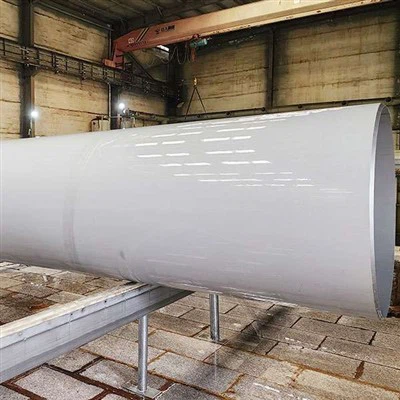
UNS N08367 can be used in a wide variety of food processing applications. It can be fabricated into different shapes and sizes, such as pipes, tanks, valves, and fittings. Whether you're making dairy products, baked goods, or processed meats, there's a place for UNS N08367 in your production line.


It can be used in both small - scale and large - scale food processing operations. For small artisanal food producers, it provides the reliability and quality they need to compete in the market. For large industrial food manufacturers, it can handle high - volume production and meet strict quality control standards.
Conclusion
So, there you have it! The advantages of using UNS N08367 in the food processing industry are clear. From its outstanding corrosion resistance and hygiene properties to its strength, durability, and cost - effectiveness, it's a top - notch choice for any food processing business.
If you're in the food processing industry and looking for a reliable alloy for your equipment, I'd highly recommend considering UNS N08367. Whether you're starting a new project or looking to upgrade your existing equipment, I'm here to help. Reach out to me to discuss your specific needs and how UNS N08367 can fit into your production process. Let's work together to ensure the success and safety of your food products.
References
- ASM Handbook Committee, "ASM Handbook Volume 13A: Corrosion: Fundamentals, Testing, and Protection".
- Food and Drug Administration (FDA) guidelines on food - contact materials.
- Technical data sheets provided by alloy manufacturers on UNS N08367 properties.