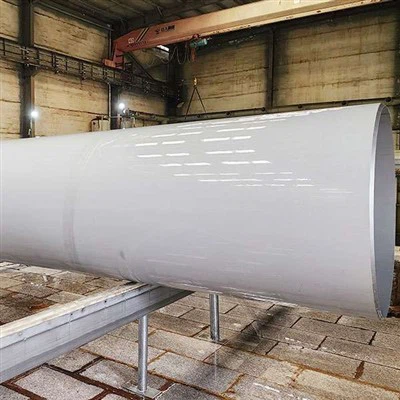
UNS S31008, also known as Stainless Steel 310S, is a popular austenitic stainless steel alloy with a wide range of applications due to its excellent high - temperature resistance and corrosion resistance. As a reliable supplier of UNS S31008, I often receive inquiries about various properties of this alloy, including its acoustic properties. In this blog, we will explore the acoustic properties of UNS S31008 in detail.
1. General Introduction to UNS S31008
Before delving into the acoustic properties, it is necessary to have a basic understanding of UNS S31008. This alloy contains approximately 25% chromium and 20% nickel, which gives it outstanding oxidation resistance at high temperatures. It is commonly used in applications such as furnace components, heat - treating equipment, and high - temperature chemical processing.
Compared with other stainless steel alloys like Stainless Steel 316L / UNS S31603 / 1.4404, Stainless Steel 304 / UNS S30400 / 1.4301, and Stainless Steel 317L / UNS S31703 / 1.4438, UNS S31008 offers superior high - temperature performance. However, each alloy has its own unique set of properties that make them suitable for different applications.
2. Acoustic Properties of UNS S31008
2.1 Sound Velocity
The sound velocity in a material is an important acoustic property. It is determined by the material's density and elastic modulus. In the case of UNS S31008, the sound velocity depends on factors such as its microstructure and composition.


The density of UNS S31008 is approximately 7.98 g/cm³. The elastic modulus, which is a measure of the material's stiffness, also plays a crucial role in determining the sound velocity. For UNS S31008, the elastic modulus is around 193 GPa at room temperature.
The sound velocity (v) in a solid can be calculated using the formula (v=\sqrt{\frac{E}{\rho}}), where (E) is the elastic modulus and (\rho) is the density. Based on the values of density and elastic modulus of UNS S31008, the sound velocity can be estimated. This value is important in applications where acoustic waves are used for non - destructive testing, such as ultrasonic testing of UNS S31008 components.
2.2 Acoustic Absorption
Acoustic absorption refers to the ability of a material to absorb sound energy. UNS S31008 is a relatively dense and stiff material, which means it has relatively low acoustic absorption compared to porous materials like foams or fibrous materials.
However, in some applications, the acoustic absorption of UNS S31008 can still be of interest. For example, in industrial settings where UNS S31008 is used in equipment, the interaction between the material and sound waves can affect the overall noise levels. The acoustic absorption of UNS S31008 can be influenced by its surface finish and the presence of any coatings or treatments.
A smooth surface finish may result in less acoustic absorption compared to a rough surface. Coatings can also change the acoustic properties of UNS S31008. For instance, a soft - coating material may increase the acoustic absorption of the alloy.
2.3 Acoustic Reflection
Acoustic reflection occurs when a sound wave encounters a boundary between two different materials. When a sound wave hits a UNS S31008 surface, part of the wave is reflected back. The amount of reflection depends on the impedance mismatch between the material from which the sound wave is coming and UNS S31008.
The acoustic impedance (Z) of a material is given by (Z = \rho v), where (\rho) is the density and (v) is the sound velocity. If the acoustic impedance of the surrounding medium is very different from that of UNS S31008, a significant amount of the sound wave will be reflected.
In applications where acoustic insulation is required, understanding the acoustic reflection properties of UNS S31008 is crucial. For example, in a room where UNS S31008 is used in the construction of equipment, the reflected sound waves can contribute to the overall noise levels in the room.
3. Factors Affecting the Acoustic Properties of UNS S31008
3.1 Temperature
Temperature has a significant impact on the acoustic properties of UNS S31008. As the temperature increases, the density of the material may change slightly, and the elastic modulus decreases. These changes affect the sound velocity and other acoustic properties.
At high temperatures, the sound velocity in UNS S31008 decreases due to the decrease in the elastic modulus. This can have implications in high - temperature applications where acoustic testing or monitoring is required. For example, in a furnace where UNS S31008 components are used, the change in sound velocity with temperature needs to be taken into account when using ultrasonic testing to detect any potential defects.
3.2 Microstructure
The microstructure of UNS S31008 can also affect its acoustic properties. The grain size, phase composition, and the presence of any inclusions or defects can all influence the propagation of acoustic waves.
A fine - grained microstructure may result in different acoustic properties compared to a coarse - grained one. Inclusions or defects in the material can scatter the acoustic waves, leading to a change in the sound velocity and absorption. For example, if there are voids or cracks in the UNS S31008 component, the acoustic waves will be scattered, which can be detected using non - destructive testing methods.
4. Applications Related to the Acoustic Properties of UNS S31008
4.1 Non - Destructive Testing
As mentioned earlier, the acoustic properties of UNS S31008, such as sound velocity, are crucial in non - destructive testing. Ultrasonic testing is a widely used method for detecting internal defects in UNS S31008 components. By sending ultrasonic waves through the material and analyzing the reflected or transmitted waves, it is possible to identify the presence of cracks, voids, or other defects.
The known sound velocity in UNS S31008 is used to calculate the time - of - flight of the ultrasonic waves. Any deviation from the expected time - of - flight can indicate the presence of a defect. This method is particularly useful in ensuring the quality of UNS S31008 components used in critical applications.
4.2 Noise Control in Industrial Equipment
Although UNS S31008 is not typically used as a primary acoustic insulation material, its acoustic properties can still play a role in noise control in industrial equipment. By understanding the acoustic absorption and reflection properties of UNS S31008, engineers can design equipment to minimize noise emissions.
For example, in a chemical processing plant where UNS S31008 is used in reaction vessels, the acoustic properties of the material can be considered in the overall design of the equipment. By optimizing the surface finish and using appropriate coatings, it may be possible to reduce the noise generated during the operation of the equipment.
5. Conclusion
In conclusion, the acoustic properties of UNS S31008, including sound velocity, acoustic absorption, and acoustic reflection, are important in various applications. These properties are influenced by factors such as temperature, microstructure, and composition.
As a supplier of UNS S31008, I understand the importance of these properties in different industries. Whether it is for non - destructive testing or noise control in industrial equipment, a good understanding of the acoustic properties of UNS S31008 can help customers make informed decisions.
If you are interested in purchasing UNS S31008 for your specific application, please feel free to contact us for more information and to discuss your requirements. We are committed to providing high - quality UNS S31008 products and excellent customer service.
References
- ASM Handbook, Volume 1: Properties and Selection: Irons, Steels, and High - Performance Alloys.
- ASTM standards related to stainless steel alloys, including UNS S31008.
- Research papers on the acoustic properties of metallic materials.