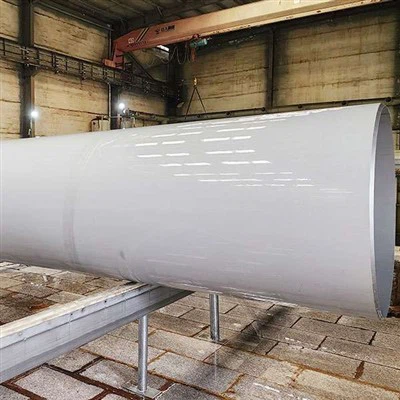
UNS S30403, a widely recognized austenitic stainless steel grade, is renowned for its excellent corrosion resistance, good formability, and high strength. As a supplier of UNS S30403, I've encountered numerous inquiries regarding its compatibility with other materials. In this blog post, I'll delve into the common compatibility problems and offer practical solutions to help you make the most of this versatile material.
Understanding UNS S30403
Before we discuss compatibility issues, let's briefly understand the characteristics of UNS S30403. It is a low-carbon version of the popular 304 stainless steel, which contains approximately 18% chromium and 8% nickel. The low carbon content helps to prevent carbide precipitation during welding, reducing the risk of intergranular corrosion. UNS S30403 is commonly used in a variety of applications, including food processing equipment, architectural structures, and chemical processing plants.
Compatibility Problems and Solutions
Galvanic Corrosion
Galvanic corrosion occurs when two different metals are in electrical contact in the presence of an electrolyte. The more active metal (anode) corrodes preferentially, while the more noble metal (cathode) remains relatively unaffected. When UNS S30403 is in contact with a more active metal, such as carbon steel or aluminum, galvanic corrosion can occur.
Solution:
- Isolation: Use non-conductive materials, such as rubber gaskets or plastic spacers, to separate UNS S30403 from the more active metal. This prevents electrical contact and reduces the risk of galvanic corrosion.
- Coating: Apply a protective coating, such as paint or epoxy, to the surface of the more active metal. This creates a barrier between the two metals and reduces the likelihood of galvanic corrosion.
- Cathodic Protection: Use cathodic protection techniques, such as sacrificial anodes or impressed current systems, to protect the more active metal from corrosion. This involves connecting a more active metal (sacrificial anode) to the UNS S30403, which corrodes preferentially and protects the UNS S30403 from corrosion.
Crevice Corrosion
Crevice corrosion occurs in narrow gaps or crevices between two materials, where the flow of oxygen is restricted. This creates a differential aeration cell, where the area inside the crevice becomes anodic and corrodes preferentially. When UNS S30403 is used in applications where crevices are present, such as in bolted joints or overlapping plates, crevice corrosion can occur.
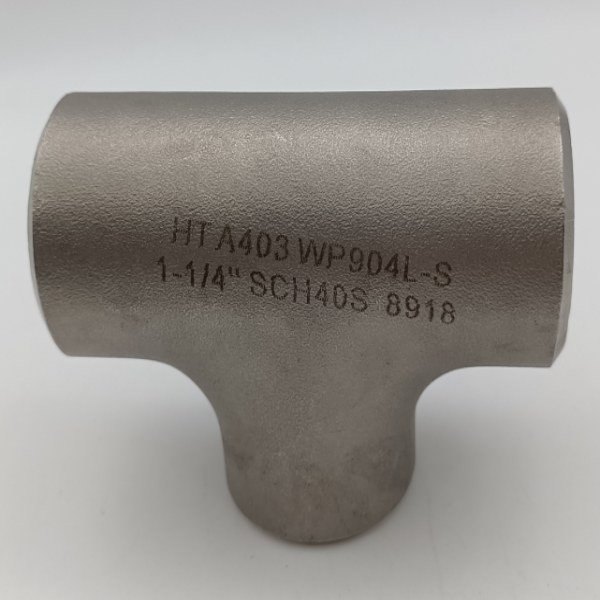

Solution:
- Design Optimization: Avoid designs that create narrow gaps or crevices. Use smooth, continuous surfaces and avoid sharp corners or edges. This reduces the likelihood of crevice corrosion.
- Sealing: Use gaskets or seals to fill any gaps or crevices between the UNS S30403 and other materials. This prevents the accumulation of moisture and reduces the risk of crevice corrosion.
- Material Selection: Choose materials that are less susceptible to crevice corrosion, such as Stainless Steel 317 / UNS S31700 / 1.4449 or Stainless Steel 904L / UNS N08904 / 1.4539. These materials have higher chromium, molybdenum, and nickel contents, which provide better resistance to crevice corrosion.
Intergranular Corrosion
Intergranular corrosion occurs when the grain boundaries of a metal are attacked preferentially, leaving the grains themselves relatively unaffected. This can occur when UNS S30403 is exposed to high temperatures for extended periods, causing the precipitation of chromium carbides at the grain boundaries. The depletion of chromium at the grain boundaries reduces the corrosion resistance of the material, making it more susceptible to intergranular corrosion.
Solution:
- Low-Carbon Grade: Use a low-carbon grade of UNS S30403, such as UNS S30403 itself. The low carbon content helps to prevent carbide precipitation during welding, reducing the risk of intergranular corrosion.
- Solution Annealing: After welding or other heat treatment processes, perform a solution annealing treatment to dissolve any chromium carbides that may have formed. This involves heating the material to a high temperature (typically around 1050-1100°C) and then quenching it rapidly in water.
- Stabilized Grades: Consider using stabilized grades of stainless steel, such as Stainless Steel 316LN / UNS S31653 / 1.4406, 1.4429, which contain titanium or niobium. These elements react with carbon to form stable carbides, preventing the precipitation of chromium carbides at the grain boundaries.
Erosion-Corrosion
Erosion-corrosion occurs when a metal is exposed to a flowing fluid containing abrasive particles or high-velocity fluid flow. The combination of erosion and corrosion can cause significant damage to the material, reducing its service life. When UNS S30403 is used in applications where erosion-corrosion is a concern, such as in pumps, valves, or pipelines, special considerations are required.
Solution:
- Material Selection: Choose materials that are more resistant to erosion-corrosion, such as duplex stainless steels or nickel-based alloys. These materials have higher strength and hardness, which provide better resistance to erosion.
- Coating: Apply a protective coating, such as ceramic or carbide coatings, to the surface of the UNS S30403. This creates a hard, wear-resistant layer that protects the material from erosion-corrosion.
- Design Optimization: Optimize the design of the equipment to reduce the velocity of the fluid flow and minimize the impact of abrasive particles. This can include using larger diameter pipes, reducing the number of bends and fittings, and using flow straighteners.
Conclusion
In conclusion, while UNS S30403 is a versatile and widely used material, it is important to be aware of its compatibility issues with other materials. By understanding the common compatibility problems and implementing the appropriate solutions, you can ensure the long-term performance and reliability of your equipment. As a supplier of UNS S30403, I am committed to providing high-quality products and technical support to help you overcome these challenges. If you have any questions or need further assistance, please don't hesitate to contact me for a procurement discussion.
References
- ASM Handbook, Volume 13A: Corrosion: Fundamentals, Testing, and Protection. ASM International, 2003.
- Stainless Steel Handbook. The Nickel Institute, 2002.
- Corrosion Resistance of Stainless Steels. ASTM International, 2018.