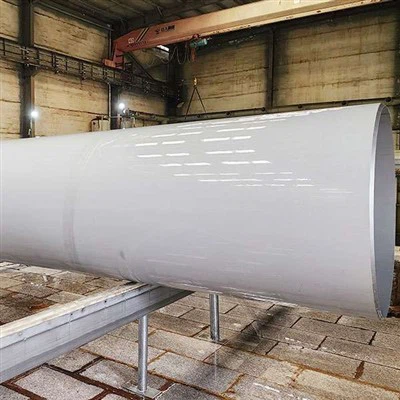
Hey there! As a supplier of UNS S32100 products, I've seen firsthand the importance of proper maintenance for these high - quality stainless steel items. UNS S32100, also known as Stainless Steel 321, is a popular choice in many industries due to its excellent corrosion resistance and good mechanical properties. In this blog, I'll share some tips on how to maintain UNS S32100 products to keep them in top - notch condition.
Understanding UNS S32100
Before we dive into maintenance, let's quickly understand what makes UNS S32100 special. This austenitic stainless steel contains titanium, which stabilizes the steel against intergranular corrosion. It can withstand high temperatures and is often used in applications like aerospace, chemical processing, and food processing equipment.
Regular Cleaning
One of the most basic yet crucial steps in maintaining UNS S32100 products is regular cleaning. Dirt, dust, and other contaminants can accumulate on the surface of the steel over time. These substances can trap moisture, leading to corrosion.


For light cleaning, you can use a mild detergent and warm water. A soft cloth or sponge is ideal for this job. Gently wipe the surface in the direction of the grain to avoid scratching. After cleaning, rinse thoroughly with clean water and dry with a soft, clean towel. This helps prevent water spots from forming.
If the surface has stubborn stains, you might need a more specialized cleaner. There are many stainless - steel cleaners available on the market. Just make sure to choose one that is suitable for austenitic stainless steels like UNS S32100. Always follow the manufacturer's instructions when using these cleaners.
Avoiding Scratches
Scratches on the surface of UNS S32100 can be a gateway for corrosion. When handling the products, use tools and equipment that won't scratch the steel. For example, if you're cutting or shaping the material, use sharp blades or tools that are designed for stainless steel.
During storage and transportation, protect the products from contact with rough or abrasive surfaces. You can use protective covers or padding to prevent scratches. If a scratch does occur, it's important to address it as soon as possible. You can use a fine - grit sandpaper to gently smooth out the scratch, following the direction of the grain. Then, polish the area to restore the shine.
Preventing Corrosion
While UNS S32100 has good corrosion resistance, certain environments can still pose a threat. For instance, in areas with high humidity, saltwater, or chemical exposure, extra precautions are needed.
In a marine environment, where saltwater is present, it's important to clean the products more frequently. Salt can accelerate the corrosion process. You can also apply a corrosion - resistant coating to the surface of the steel. There are various types of coatings available, such as epoxy coatings or passivation treatments.
If the product is used in a chemical - processing plant, make sure it's compatible with the chemicals it comes into contact with. Some chemicals can react with the steel and cause corrosion. In such cases, proper ventilation and regular inspections are essential.
Inspection and Monitoring
Regular inspections are key to maintaining UNS S32100 products. Check the surface for any signs of corrosion, scratches, or other damage. Look for discoloration, pitting, or rust spots. If you notice any issues, take action immediately.
You can also use non - destructive testing methods to monitor the integrity of the steel. For example, ultrasonic testing can detect internal defects or corrosion that may not be visible on the surface. Eddy - current testing is another option for detecting surface and near - surface defects.
Comparison with Other Stainless Steels
It's interesting to compare UNS S32100 with other stainless steels like Stainless Steel 316Ti / UNS S31635 / 1.4571, Stainless Steel 317L / UNS S31703 / 1.4438, and Stainless Steel 347 / UNS S34700 / 1.4550. Each of these steels has its own unique properties and maintenance requirements.
Stainless Steel 316Ti is similar to UNS S32100 in that it also contains titanium for stabilization. However, it has a higher nickel content, which gives it better corrosion resistance in certain environments. Stainless Steel 317L has a higher molybdenum content, making it more resistant to pitting and crevice corrosion. Stainless Steel 347 contains niobium, which provides similar stabilization benefits as titanium in UNS S32100.
When choosing between these steels, consider the specific application and the maintenance resources available. For example, if the product will be used in a highly corrosive environment, Stainless Steel 317L might be a better choice. But if high - temperature resistance is the main concern, UNS S32100 could be more suitable.
Storage
Proper storage is also an important part of maintenance. Store UNS S32100 products in a dry, clean environment. Avoid storing them in areas where they can be exposed to moisture, chemicals, or extreme temperatures.
If possible, store the products off the ground to prevent contact with damp floors. You can use pallets or racks for this purpose. Also, make sure the storage area is well - ventilated to prevent the buildup of humidity.
Training and Education
If you're using UNS S32100 products in a business or industrial setting, it's important to train your employees on proper maintenance procedures. Make sure they understand the importance of regular cleaning, avoiding scratches, and preventing corrosion.
Provide them with the necessary tools and equipment for maintenance. You can also offer training sessions on how to use these tools correctly. By educating your employees, you can ensure that the products are maintained properly and have a longer lifespan.
Conclusion
Maintaining UNS S32100 products is not overly complicated, but it does require attention to detail. By following these tips on regular cleaning, avoiding scratches, preventing corrosion, and conducting regular inspections, you can keep your UNS S32100 products in great condition for a long time.
If you're in the market for high - quality UNS S32100 products or need more information on maintenance, feel free to reach out. We're here to help you make the best choices for your applications. Whether you're in the aerospace, chemical processing, or food processing industry, we can provide you with the right products and support. Contact us to start a procurement discussion and find out how we can meet your needs.
References
- ASM Handbook, Volume 13A: Corrosion: Fundamentals, Testing, and Protection
- Stainless Steel Handbook by The Nickel Institute