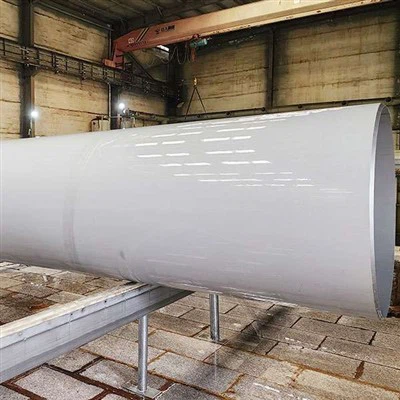
Hey there! As a supplier of UNS S31008 equipment, I've seen firsthand how important it is to keep this stuff in tip - top shape. UNS S31008 is a super - useful austenitic stainless steel. It's got high chromium and nickel content, which gives it great corrosion resistance and high - temperature strength. So, if you've got some UNS S31008 equipment, here's how you can maintain it.
Regular Cleaning
First things first, regular cleaning is a must. Dirt, grime, and other contaminants can build up on the surface of the equipment over time. This can not only make it look bad but also potentially lead to corrosion.
For routine cleaning, a mild detergent and warm water are usually enough. Just mix up a solution, use a soft cloth or sponge to gently wipe down the equipment, and then rinse it thoroughly with clean water. Make sure to dry it completely to prevent water spots and potential rusting.
If there are stubborn stains, you might need to use a more specialized cleaner. But be careful! Some cleaners can be too harsh and damage the stainless - steel surface. Always test the cleaner on a small, inconspicuous area first to make sure it doesn't cause any problems.


Inspection for Damage
You should also regularly inspect the UNS S31008 equipment for any signs of damage. Look for scratches, dents, or cracks. Even small scratches can be a problem because they can expose the underlying metal to the environment, increasing the risk of corrosion.
If you find a scratch, you can try to buff it out using a fine - grit sandpaper or a stainless - steel polishing compound. For larger dents or cracks, though, it's best to consult a professional. They'll be able to assess the damage and determine the best course of action, whether it's repair or replacement.
Corrosion Prevention
As I mentioned earlier, corrosion is one of the biggest threats to UNS S31008 equipment. To prevent it, you need to keep the equipment in a suitable environment.
Avoid exposing the equipment to harsh chemicals, such as strong acids or alkalis. If it's used in an industrial setting where it might come into contact with these substances, make sure there are proper protective measures in place.
You can also apply a corrosion - resistant coating to the equipment. There are various types of coatings available on the market. Some are designed to provide a physical barrier between the metal and the environment, while others work by releasing corrosion - inhibiting chemicals.
Temperature and Stress Management
UNS S31008 is known for its high - temperature strength, but extreme temperatures can still take a toll on the equipment over time. If the equipment is used in high - temperature applications, make sure it's properly insulated and cooled. This will help prevent thermal expansion and contraction, which can lead to stress and damage.
Similarly, if the equipment is under a lot of mechanical stress, such as heavy loads or vibrations, it's important to monitor it closely. You might need to reinforce the structure or adjust the operating conditions to reduce the stress.
Lubrication (if applicable)
If your UNS S31008 equipment has moving parts, proper lubrication is essential. Lubrication reduces friction between the parts, which not only makes the equipment operate more smoothly but also extends its lifespan.
Choose a lubricant that's compatible with stainless steel. Some lubricants can react with the metal and cause corrosion. Make sure to follow the manufacturer's recommendations for lubrication frequency and quantity.
Storage
When the equipment is not in use, proper storage is crucial. Store it in a dry, clean place away from direct sunlight and moisture. If possible, cover the equipment to protect it from dust and debris.
If you need to store the equipment for an extended period, you might want to consider applying a protective oil or wax to the surface. This can help prevent corrosion during storage.
Comparison with Similar Alloys
It's also interesting to compare UNS S31008 with some other stainless - steel alloys. For example, Stainless Steel 347H / UNS S34709 / 1.4961 is another austenitic stainless steel. It has good corrosion resistance and is often used in high - temperature applications. However, UNS S31008 generally has better high - temperature strength.
Stainless Steel 317L / UNS S31703 / 1.4438 is known for its excellent pitting and crevice corrosion resistance. While UNS S31008 also has good corrosion resistance, 317L might be a better choice in highly corrosive environments.
And Stainless Steel 347 / UNS S34700 / 1.4550 is similar to 347H but has slightly different properties. Understanding these differences can help you make better decisions about which alloy is best for your specific application and how to maintain it.
Maintenance Records
Keeping detailed maintenance records is a great idea. This way, you can track when the equipment was last cleaned, inspected, lubricated, etc. It also helps you identify any patterns of problems. For example, if you notice that corrosion keeps occurring in the same area after a certain type of operation, you can take steps to address the root cause.
Training and Education
If you have a team using the UNS S31008 equipment, make sure they're properly trained on how to maintain it. Provide them with clear instructions on cleaning, inspection, and other maintenance tasks. This will not only ensure the equipment is well - cared for but also improve safety in the workplace.
So, there you have it! These are some of the key steps you can take to maintain your UNS S31008 equipment. By following these tips, you can extend the lifespan of the equipment, reduce the risk of breakdowns, and save yourself a lot of money in the long run.
If you're in the market for high - quality UNS S31008 equipment or have any questions about maintenance, don't hesitate to reach out. We're here to help you make the best decisions for your business. Whether you need advice on choosing the right equipment or want to discuss a large - scale purchase, we're just a message away. Let's start a conversation and see how we can work together!
References
- ASM Handbook Committee. (2004). ASM Handbook Volume 13A - Corrosion: Fundamentals, Testing, and Protection. ASM International.
- Stainless Steel World. (2019). Stainless Steel Handbook. Elsevier.