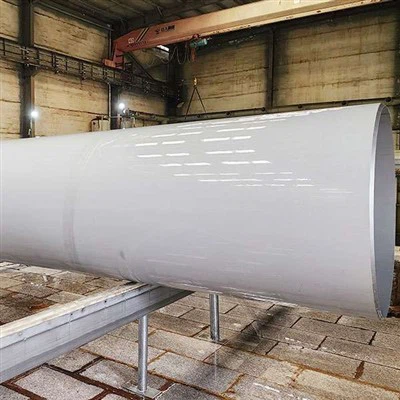
Hey there! As a nickel supplier, I've seen firsthand how this versatile metal plays a crucial role in the construction industry. In this blog post, I'll dive into the various ways nickel is used in construction, and why it's such an important material.
Corrosion Resistance
One of the primary reasons nickel is used in construction is its excellent corrosion resistance. In many construction projects, especially those near the coast or in industrial areas, buildings and structures are exposed to harsh environmental conditions that can cause corrosion. Nickel alloys can withstand these conditions much better than other metals.
For example, Alloy 31 / UNS N08031 / 1.4562 is a nickel-chromium-molybdenum alloy that offers outstanding resistance to a wide range of corrosive media, including sulfuric acid, phosphoric acid, and chloride solutions. This makes it ideal for use in chemical processing plants, wastewater treatment facilities, and other construction projects where corrosion is a major concern.
Another great option is Nickel 201 / UNS N02201 / 2.4608. It's a commercially pure wrought nickel with excellent resistance to many corrosive environments, especially in alkaline solutions. It's often used in food processing equipment, caustic handling systems, and other applications where corrosion resistance and purity are essential.
Strength and Durability
Nickel also adds strength and durability to construction materials. When combined with other metals, nickel can form alloys that are stronger and more resistant to wear and tear than the individual metals themselves.
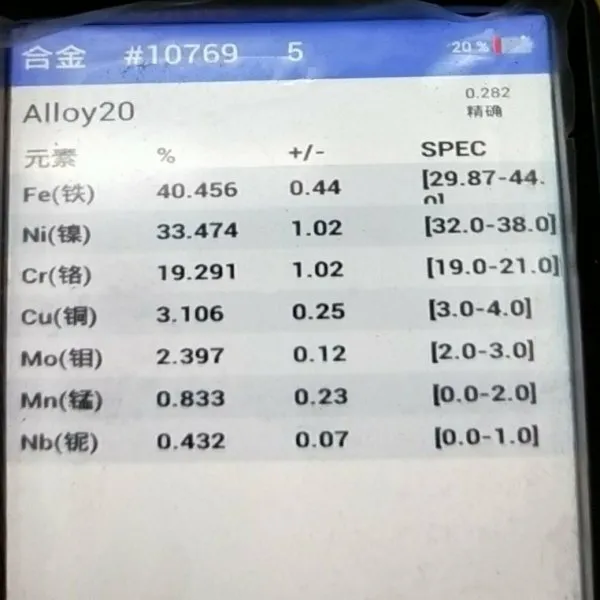
Alloy 20 / UNS N08020 / 2.4660 is a nickel-iron-chromium alloy that offers high strength and good resistance to stress corrosion cracking. It's commonly used in the construction of storage tanks, piping systems, and heat exchangers in the chemical and petrochemical industries. The strength of this alloy ensures that these structures can withstand high pressures and harsh operating conditions over a long period of time.
In addition, nickel alloys can maintain their strength at high temperatures, which is crucial in construction projects that involve fire protection or high-temperature processes. For example, in some industrial buildings, nickel-containing alloys are used in the construction of fire-resistant doors and partitions to prevent the spread of fire.
Aesthetic Appeal
Believe it or not, nickel can also enhance the aesthetic appeal of construction projects. Nickel has a bright, shiny appearance that can add a touch of elegance to buildings and structures.

Nickel-plated finishes are often used on architectural hardware, such as door handles, hinges, and window frames. These finishes not only look great but also provide corrosion resistance and durability. In interior design, nickel accents can be used to create a modern and sophisticated look. For example, nickel-coated wall panels or decorative elements can add a unique and stylish touch to a lobby or a high-end office space.
Weldability and Formability
Nickel alloys are generally easy to weld and form, which makes them highly versatile in construction. Weldability is an important factor in construction because it allows for the efficient assembly of large structures. Nickel alloys can be welded using a variety of welding processes, including gas tungsten arc welding (GTAW), gas metal arc welding (GMAW), and shielded metal arc welding (SMAW).
Formability is also crucial, as it enables the creation of complex shapes and designs. Nickel alloys can be easily rolled, forged, and machined into different forms, such as sheets, plates, bars, and tubes. This flexibility allows architects and engineers to bring their creative ideas to life in construction projects.
Energy Efficiency
In the era of sustainable construction, nickel can also contribute to energy efficiency. Nickel-containing alloys are used in the manufacturing of heat exchangers, which are essential components in heating, ventilation, and air conditioning (HVAC) systems. These heat exchangers can transfer heat more efficiently, reducing energy consumption and lowering operating costs.
For example, in a large commercial building, a high-performance heat exchanger made of nickel alloy can recover waste heat from exhaust air and use it to preheat incoming fresh air. This not only saves energy but also improves indoor air quality.
Cost-Effectiveness
While nickel may seem like a relatively expensive material at first glance, its long-term cost-effectiveness in construction cannot be ignored. The corrosion resistance and durability of nickel alloys mean that structures made with these materials require less maintenance and have a longer service life.
For instance, a building with a nickel alloy roof may cost more upfront than one with a traditional roof material, but it will last much longer and require fewer repairs over time. This can result in significant cost savings in the long run, making nickel a smart investment in construction projects.
Conclusion
As you can see, nickel plays a vital role in the construction industry. Its corrosion resistance, strength, durability, aesthetic appeal, weldability, formability, energy efficiency, and cost-effectiveness make it an ideal material for a wide range of construction applications.
If you're involved in a construction project and are looking for high-quality nickel products, I'd love to help. Whether you need Alloy 31, Nickel 201, Alloy 20, or other nickel alloys, I can provide you with the right materials at competitive prices. Just reach out to discuss your specific requirements, and we can work together to find the best solutions for your project.
References
- ASM Handbook, Volume 2: Properties and Selection: Nonferrous Alloys and Special-Purpose Materials
- Corrosion Resistance of Nickel and Its Alloys, Nickel Institute
- Welding of Nickel and Nickel Alloys, American Welding Society