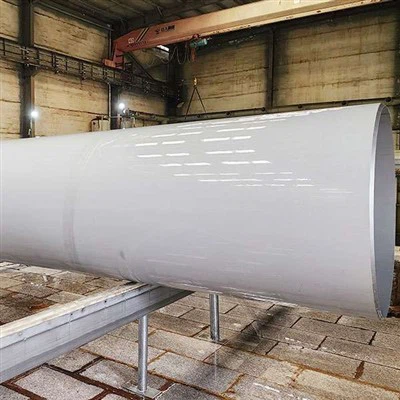
In the realm of stainless steel, UNS S32100 stands out as a remarkable alloy known for its exceptional resistance to oxidation. As a trusted supplier of UNS S32100, I am excited to delve into the science behind its oxidation resistance and explore the factors that make it a top choice in various industries.
Understanding Oxidation in Stainless Steel
Before we explore how UNS S32100 resists oxidation, it's essential to understand the process of oxidation in stainless steel. Oxidation is a chemical reaction that occurs when metal reacts with oxygen in the presence of moisture or other oxidizing agents. This reaction forms metal oxides on the surface of the steel, which can lead to corrosion, rusting, and degradation of the material over time.
Stainless steel is designed to resist oxidation through the addition of alloying elements such as chromium, nickel, and titanium. These elements form a thin, protective oxide layer on the surface of the steel, known as the passive film. The passive film acts as a barrier, preventing oxygen and other corrosive agents from reaching the underlying metal and causing further oxidation.
Composition of UNS S32100
UNS S32100, also known as Stainless Steel 321 / UNS S32100 / 1.4541 Stainless Steel 321 / UNS S32100 / 1.4541, is a titanium-stabilized austenitic stainless steel. Its chemical composition plays a crucial role in its oxidation resistance. The main alloying elements in UNS S32100 include:
- Chromium (Cr): Chromium is the primary alloying element in stainless steel, providing the material with its corrosion resistance. In UNS S32100, the chromium content is typically between 17.0% and 19.0%. Chromium forms a stable chromium oxide layer on the surface of the steel, which acts as a protective barrier against oxidation.
- Nickel (Ni): Nickel enhances the corrosion resistance and ductility of stainless steel. In UNS S32100, the nickel content is usually between 9.0% and 12.0%. Nickel also helps to maintain the austenitic structure of the steel, which improves its toughness and formability.
- Titanium (Ti): Titanium is added to UNS S32100 to stabilize the steel against intergranular corrosion. Titanium reacts with carbon in the steel to form titanium carbides, which prevent the formation of chromium carbides at the grain boundaries. This reduces the risk of sensitization and intergranular corrosion, especially in high-temperature applications.
Formation of the Passive Film
The oxidation resistance of UNS S32100 is primarily due to the formation of a passive film on its surface. When the steel is exposed to oxygen, chromium in the alloy reacts with the oxygen to form a thin, continuous layer of chromium oxide (Cr₂O₃). This chromium oxide layer is highly stable and adherent, providing excellent protection against further oxidation.


The passive film is self-healing, meaning that if it is damaged or scratched, it can reform in the presence of oxygen. This property allows UNS S32100 to maintain its oxidation resistance even in harsh environments.
Factors Affecting Oxidation Resistance
Several factors can affect the oxidation resistance of UNS S32100, including:
- Temperature: The oxidation rate of stainless steel increases with temperature. At high temperatures, the passive film may break down, leading to increased oxidation and corrosion. However, UNS S32100 has good high-temperature oxidation resistance due to the presence of titanium, which helps to stabilize the passive film.
- Environment: The composition of the environment, including the presence of oxygen, moisture, and other corrosive agents, can significantly impact the oxidation resistance of UNS S32100. In environments with high levels of chloride ions, such as seawater, the passive film may be more susceptible to breakdown, leading to pitting corrosion.
- Surface Finish: The surface finish of the steel can also affect its oxidation resistance. A smooth, polished surface provides better protection against oxidation than a rough, uneven surface, as it is less likely to trap moisture and other corrosive agents.
Applications of UNS S32100
Due to its excellent oxidation resistance, UNS S32100 is widely used in various industries, including:
- Aerospace: UNS S32100 is used in aerospace applications, such as aircraft exhaust systems, where it is exposed to high temperatures and corrosive environments.
- Chemical Processing: The alloy is used in chemical processing equipment, such as reactors, heat exchangers, and piping, where it can withstand the corrosive effects of chemicals and high temperatures.
- Food Processing: UNS S32100 is suitable for food processing equipment, as it is resistant to corrosion and does not contaminate food products.
- Power Generation: The alloy is used in power generation plants, such as boilers and turbines, where it can withstand high temperatures and steam oxidation.
Comparison with Other Stainless Steels
When comparing UNS S32100 with other stainless steels, it's important to consider their oxidation resistance and other properties. For example, Stainless Steel 316Ti / UNS S31635 / 1.4571 Stainless Steel 316Ti / UNS S31635 / 1.4571 is another titanium-stabilized austenitic stainless steel with good corrosion resistance. However, UNS S32100 generally has better high-temperature oxidation resistance than Stainless Steel 316Ti.
On the other hand, Stainless Steel 254SMO / F44 / UNS S31254 / 1.4547 Stainless Steel 254SMO / F44 / UNS S31254 / 1.4547 is a high-alloy austenitic stainless steel with excellent corrosion resistance in aggressive environments, including seawater and acidic solutions. While Stainless Steel 254SMO has superior corrosion resistance in some applications, UNS S32100 may be more suitable for high-temperature applications due to its better oxidation resistance.
Conclusion
In conclusion, UNS S32100 is a highly versatile and reliable stainless steel alloy with exceptional oxidation resistance. Its unique chemical composition, including chromium, nickel, and titanium, allows it to form a stable passive film on its surface, which provides excellent protection against oxidation and corrosion. Whether you're in the aerospace, chemical processing, food processing, or power generation industry, UNS S32100 can offer the performance and durability you need.
If you're interested in learning more about UNS S32100 or are looking to purchase this high-quality stainless steel, please don't hesitate to contact us. Our team of experts is ready to assist you with your specific requirements and provide you with the best solutions for your applications.
References
- ASM Handbook, Volume 13A: Corrosion: Fundamentals, Testing, and Protection. ASM International.
- Stainless Steel Handbook. Outokumpu.
- Corrosion Resistance of Stainless Steels. NACE International.