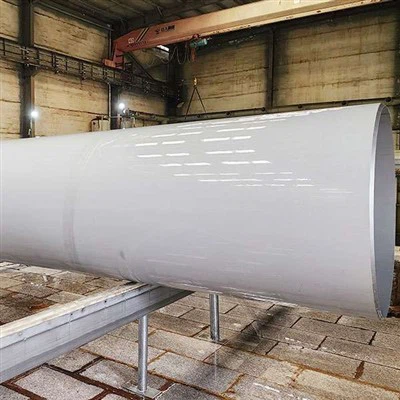
As a supplier of UNS S31008, I often encounter inquiries from customers regarding its suitability for food - contact applications. This blog post aims to provide a comprehensive analysis of whether UNS S31008 can be safely used in such scenarios.
Understanding UNS S31008
UNS S31008 is a type of austenitic stainless steel. It contains approximately 25% chromium and 20% nickel, which endows it with excellent corrosion resistance, high - temperature strength, and oxidation resistance. These properties make it a popular choice in various industrial applications, such as chemical processing, heat treatment equipment, and furnace components.
Corrosion Resistance and Food - Contact Requirements
One of the primary concerns in food - contact applications is corrosion. Corrosion can not only damage the equipment but also contaminate the food products. UNS S31008's high chromium and nickel content provides a passive oxide layer on its surface, which acts as a protective barrier against corrosion. This passive layer is self - healing, meaning that if it is damaged, it can reform under the right conditions.
In food - processing environments, there are often a variety of corrosive substances present, such as acids (e.g., citric acid in fruits), salts, and alkaline cleaning agents. UNS S31008 has shown good resistance to these common food - related corrosives. For example, in acidic environments similar to those found in fruit - juice processing, the high chromium content in UNS S31008 helps prevent the formation of rust and corrosion pits, ensuring that the steel remains intact and does not leach harmful substances into the food.
Hygiene Considerations
Hygiene is another critical factor in food - contact applications. The smooth surface of UNS S31008 makes it easy to clean and sanitize. Bacteria and other microorganisms are less likely to adhere to a smooth surface, reducing the risk of food contamination. Additionally, the passive oxide layer on UNS S31008 is non - porous, which further prevents the absorption of food particles and the growth of bacteria.
In comparison with other stainless - steel grades commonly used in food - contact applications, such as Stainless Steel 304L / UNS S30403 / 1.4306, 1.4307, UNS S31008 offers better corrosion resistance in more aggressive environments. While 304L is widely used in many food - processing applications, it may not be as suitable in environments with high temperatures or more concentrated corrosive agents.
Regulatory Compliance
To be used in food - contact applications, a material must comply with relevant regulations. In the United States, the Food and Drug Administration (FDA) has established guidelines for materials that come into contact with food. These guidelines ensure that the materials do not pose a risk to human health by leaching harmful substances into the food.
UNS S31008 generally meets the requirements of FDA regulations for food - contact materials. The elements in UNS S31008, such as chromium, nickel, and manganese, are present in levels that are considered safe for food - contact applications. However, it is important to note that the manufacturing process can also affect the compliance of the material. For example, if the steel is contaminated during the manufacturing process, it may not meet the regulatory requirements.
In the European Union, the European Food Safety Authority (EFSA) also has strict regulations regarding food - contact materials. UNS S31008, when properly manufactured and processed, can meet these regulations as well.
Limitations and Considerations
While UNS S31008 has many advantages for food - contact applications, there are also some limitations and considerations.


Cost
Compared to other stainless - steel grades used in food - contact applications, such as Stainless Steel 316Ti / UNS S31635 / 1.4571 and Stainless Steel 317 / UNS S31700 / 1.4449, UNS S31008 is relatively more expensive. The higher content of chromium and nickel contributes to its better performance but also increases the cost. This may be a factor for some food - processing companies, especially those with tight budgets.
Sensitization
Sensitization is a phenomenon that can occur in stainless steels when they are exposed to certain temperatures for a prolonged period. During sensitization, chromium carbides can form at the grain boundaries, depleting the chromium in the surrounding area and reducing the corrosion resistance. While UNS S31008 has good resistance to sensitization compared to some other stainless - steel grades, it is still important to control the heat - treatment and welding processes to avoid sensitization.
Conclusion
In conclusion, UNS S31008 can be used in food - contact applications. Its excellent corrosion resistance, hygiene properties, and regulatory compliance make it a viable option for many food - processing environments. However, the higher cost and the need to control the manufacturing process to avoid sensitization are factors that need to be considered.
If you are in the food - processing industry and are looking for a high - performance stainless - steel material for your food - contact applications, UNS S31008 could be a great choice. We, as a professional UNS S31008 supplier, can provide you with high - quality products and technical support. If you have any questions or would like to discuss your specific requirements, please feel free to reach out to us for procurement and negotiation.
References
- ASM Handbook Volume 13A: Corrosion: Fundamentals, Testing, and Protection
- FDA Food Contact Substances Notification Program Guidelines
- EFSA Scientific Opinions on Food Contact Materials