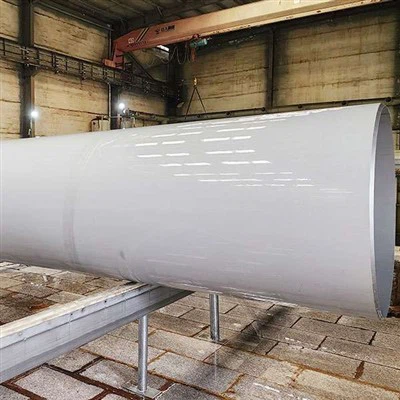
Duplex steel, a remarkable material in the world of metallurgy, has gained significant traction across various industries due to its unique combination of properties. As a trusted duplex steel supplier, I am excited to delve into the intricacies of duplex steel welding. This process is crucial as it determines the integrity and performance of duplex steel structures, making it essential for both fabricators and end - users to understand.
Understanding Duplex Steel
Before we jump into welding, let's briefly understand what duplex steel is. Duplex steel is a type of stainless steel that has a two - phase microstructure consisting of approximately equal proportions of ferrite and austenite. This dual - phase structure imparts a range of desirable properties. It offers high strength, excellent corrosion resistance, particularly in chloride - containing environments, and good weldability.
There are different grades of duplex steel available in the market. Two of the most common grades are Duplex S31803 / F51 / 1.4462 and Duplex S32205 / F60. These grades are widely used in industries such as oil and gas, chemical processing, and marine applications because of their ability to withstand harsh operating conditions.
The Welding Process of Duplex Steel
Welding duplex steel is a specialized process that requires careful consideration of several factors to ensure the final weld has the desired properties.
Pre - Welding Considerations
- Material Preparation: Proper cleaning of the duplex steel surfaces is essential. Any contaminants such as oil, grease, or dirt can affect the quality of the weld. The edges to be welded should be machined or ground to ensure a clean and smooth surface.
- Joint Design: The joint design plays a crucial role in the welding process. Common joint designs for duplex steel include butt joints, fillet joints, and corner joints. The choice of joint design depends on the application and the load - bearing requirements of the final structure.
- Pre - heating: In some cases, pre - heating the duplex steel before welding may be necessary. Pre - heating helps to reduce the cooling rate of the weld, which can prevent the formation of brittle phases and cracking. The pre - heating temperature depends on the thickness of the material and the welding process used.
Welding Methods
There are several welding methods that can be used for duplex steel, each with its own advantages and limitations.
- Gas Tungsten Arc Welding (GTAW): Also known as TIG (Tungsten Inert Gas) welding, GTAW is a popular method for welding duplex steel. It provides excellent control over the welding process, resulting in high - quality welds with good appearance. GTAW is suitable for thin - walled sections and applications where precise control is required.
- Gas Metal Arc Welding (GMAW): Commonly referred to as MIG (Metal Inert Gas) welding, GMAW is a faster welding method compared to GTAW. It is suitable for thicker sections and can be used for both manual and automated welding. However, proper shielding gas selection is crucial to prevent oxidation and ensure the desired weld quality.
- Shielded Metal Arc Welding (SMAW): SMAW, or stick welding, is a versatile welding method that can be used in various environments. It is relatively easy to learn and can be used for field welding applications. However, it may produce more spatter compared to other methods, and the weld quality may be slightly lower.
Post - Welding Considerations
- Heat Treatment: After welding, post - weld heat treatment (PWHT) may be required in some cases. PWHT helps to relieve residual stresses in the weld and improve the corrosion resistance of the material. The heat treatment parameters, such as temperature and time, depend on the grade of duplex steel and the welding process used.
- Inspection: Thorough inspection of the weld is essential to ensure its quality. Non - destructive testing methods such as ultrasonic testing, radiographic testing, and magnetic particle testing can be used to detect any internal defects in the weld. Visual inspection is also important to check for surface defects such as cracks, porosity, and lack of fusion.
Challenges in Welding Duplex Steel
Welding duplex steel is not without its challenges. One of the main challenges is maintaining the proper balance of ferrite and austenite in the weld metal. During the welding process, the high heat input can cause the transformation of ferrite to austenite or the formation of undesirable phases such as sigma phase. Sigma phase is a brittle intermetallic compound that can significantly reduce the corrosion resistance and toughness of the weld.
Another challenge is the susceptibility of duplex steel to hydrogen - induced cracking. Hydrogen can be introduced into the weld during the welding process, especially if the shielding gas contains moisture or if the welding electrodes are not properly dried. Hydrogen - induced cracking can occur during or after welding and can lead to catastrophic failure of the structure.
Solutions to Welding Challenges
To overcome the challenges associated with welding duplex steel, several solutions can be implemented.
- Welding Consumables Selection: Choosing the right welding consumables is crucial to maintain the proper balance of ferrite and austenite in the weld metal. Welding consumables with a higher ferrite content can help to prevent the formation of sigma phase.
- Controlling Heat Input: Controlling the heat input during welding is essential to prevent the formation of undesirable phases. This can be achieved by adjusting the welding parameters such as welding current, voltage, and travel speed.
- Hydrogen Control: To prevent hydrogen - induced cracking, it is important to use dry shielding gases and properly dried welding electrodes. Pre - heating the material before welding can also help to reduce the hydrogen content in the weld.
Importance of Welding Quality in Duplex Steel Applications
The quality of the weld in duplex steel applications is of utmost importance. In industries such as oil and gas, chemical processing, and marine applications, duplex steel structures are often exposed to harsh environments and high - pressure conditions. A poor - quality weld can lead to premature failure of the structure, resulting in significant economic losses and potential safety hazards.
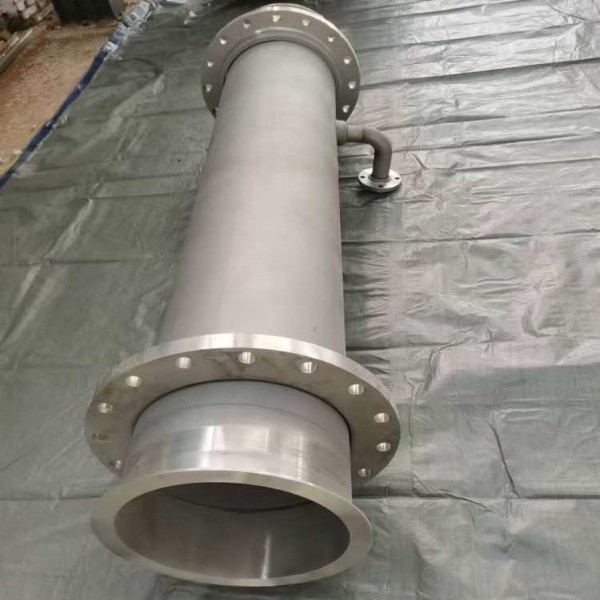

For example, in an offshore oil and gas platform, a faulty weld in a duplex steel pipeline can lead to leaks, which can cause environmental pollution and pose a threat to the safety of the workers. In a chemical processing plant, a defective weld in a duplex steel storage tank can result in the leakage of hazardous chemicals, which can have serious consequences for the environment and human health.
Conclusion
As a duplex steel supplier, I understand the critical role that welding plays in the successful application of duplex steel. Welding duplex steel requires a combination of technical knowledge, proper equipment, and strict quality control measures. By understanding the unique properties of duplex steel, the challenges associated with welding, and the solutions to overcome these challenges, fabricators can produce high - quality welds that meet the demanding requirements of various industries.
If you are in need of high - quality duplex steel for your projects or have any questions about welding duplex steel, I encourage you to reach out to me. We can engage in a detailed discussion about your specific requirements and explore how our duplex steel products can best serve your needs. Let's work together to ensure the success of your projects with reliable and high - performance duplex steel solutions.
References
- ASME Boiler and Pressure Vessel Code, Section IX - Welding and Brazing Qualifications
- AWS D1.6:2019 - Structural Welding Code - Stainless Steel
- Duplex Stainless Steels: Properties, Welding and Applications, by J. C. Lippold and D. J. Kotecki