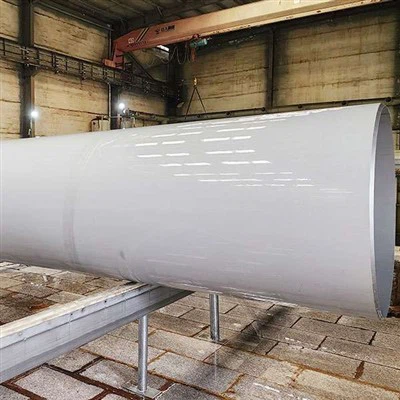
UNS S31703, a type of austenitic stainless steel, is widely recognized for its excellent corrosion resistance, high strength, and good formability. As a trusted supplier of UNS S31703, I've received numerous inquiries regarding its weldability, especially in different welding positions. In this blog, I'll delve into the weldability of UNS S31703 across various welding positions, offering insights to help you make informed decisions in your projects.
Understanding UNS S31703
Before we explore its weldability, let's briefly understand the characteristics of UNS S31703. This stainless steel contains chromium, nickel, and molybdenum, which contribute to its corrosion - resistant properties. The higher molybdenum content compared to other austenitic stainless steels enhances its resistance to pitting and crevice corrosion, making it suitable for applications in aggressive environments such as chemical processing, marine, and food processing industries.
General Weldability of UNS S31703
Overall, UNS S31703 has good weldability. Austenitic stainless steels, including UNS S31703, are known for their ability to be welded using a variety of welding processes without significant loss of their corrosion - resistant properties. However, certain precautions need to be taken during welding to ensure the quality of the weld.
One of the key considerations is the prevention of sensitization. Sensitization occurs when chromium carbides precipitate at the grain boundaries during welding, leading to a depletion of chromium in the adjacent areas. This can reduce the corrosion resistance of the welded joint. To avoid sensitization, proper welding techniques and heat input control are essential.


Weldability in Different Welding Positions
Flat Position
The flat welding position is the most favorable position for welding UNS S31703. In this position, gravity helps in the proper flow of the molten weld metal, resulting in a more stable arc and better control over the weld bead shape. The heat distribution is relatively uniform, and it is easier to maintain the correct welding parameters.
When welding in the flat position, a lower heat input can be used compared to other positions. This helps in minimizing the risk of sensitization and distortion. The weld quality is generally high, with good fusion and penetration. Welders can achieve smooth and consistent weld beads, which are essential for maintaining the integrity and corrosion resistance of the joint.
Horizontal Position
Welding in the horizontal position presents some challenges compared to the flat position. Gravity can cause the molten weld metal to sag, leading to an uneven weld bead. To overcome this, a slightly higher welding speed and a more precise control of the welding torch angle are required.
The heat input also needs to be carefully adjusted. A higher heat input may be needed to ensure proper fusion, but excessive heat can increase the risk of distortion and sensitization. Welders often use techniques such as weaving the torch to distribute the heat evenly and prevent the weld metal from sagging.
Vertical Position
Welding UNS S31703 in the vertical position is more difficult than in the flat or horizontal positions. Gravity acts against the upward flow of the molten weld metal, making it challenging to control the weld bead shape and prevent the weld metal from dripping.
There are two methods for vertical welding: vertical - up and vertical - down. Vertical - up welding generally provides better penetration and fusion but requires more skill and a slower welding speed. Vertical - down welding is faster but may result in less penetration. In both cases, a smaller electrode or filler wire diameter is often used to better control the molten weld metal.
Overhead Position
The overhead welding position is the most challenging of all. Gravity causes the molten weld metal to fall, and it is difficult to maintain the shape and integrity of the weld bead. Welders need to have a high level of skill and experience to weld in this position.
The heat input should be carefully controlled to prevent excessive melting and dripping of the weld metal. A lower welding current and a smaller electrode or filler wire are typically used. Special techniques, such as using a short arc length and a quick back - and - forth motion of the welding torch, are employed to keep the molten weld metal in place.
Comparison with Other Stainless Steels
To better understand the weldability of UNS S31703, it's useful to compare it with other stainless steels. For example, Stainless Steel 17 - 4PH / UNS S17400 / 1.4542 is a precipitation - hardening stainless steel. Its weldability is different from UNS S31703. 17 - 4PH requires special heat treatment after welding to achieve the desired strength and corrosion resistance.
Stainless Steel 316H / UNS 31609 / 1.4919 is another austenitic stainless steel. While it has good weldability, UNS S31703 has better resistance to pitting and crevice corrosion due to its higher molybdenum content. Stainless Steel 316Ti / UNS S31635 / 1.4571 contains titanium, which helps in preventing sensitization during welding. However, UNS S31703 offers better overall corrosion resistance in many aggressive environments.
Welding Techniques and Precautions
Regardless of the welding position, several techniques and precautions should be followed when welding UNS S31703:
- Cleaning: The surfaces to be welded should be thoroughly cleaned to remove any dirt, grease, or oxides. This can be done using solvents, wire brushing, or grinding.
- Filler Material Selection: Appropriate filler materials should be used to match the composition of UNS S31703. This helps in maintaining the corrosion resistance and mechanical properties of the welded joint.
- Heat Input Control: As mentioned earlier, controlling the heat input is crucial to prevent sensitization and distortion. Welding parameters such as current, voltage, and welding speed should be carefully adjusted according to the welding position and the thickness of the material.
- Post - Weld Treatment: In some cases, post - weld heat treatment may be required to relieve residual stresses and improve the corrosion resistance of the welded joint.
Conclusion
In conclusion, UNS S31703 has good weldability, but the welding process needs to be carefully controlled, especially in different welding positions. Each welding position presents its own set of challenges, and welders need to adjust their techniques and parameters accordingly.
As a supplier of UNS S31703, I understand the importance of providing high - quality materials and relevant technical support. Whether you are involved in a small - scale project or a large - scale industrial application, we can offer you the best - suited UNS S31703 products. If you have any questions about the weldability of UNS S31703 or need assistance in selecting the right materials for your project, please feel free to contact us for procurement and further discussions.
References
- ASM Handbook, Volume 6: Welding, Brazing, and Soldering.
- Welding Metallurgy of Stainless Steels, AWS Publications.
- Corrosion Resistance of Stainless Steels, NACE International Publications.