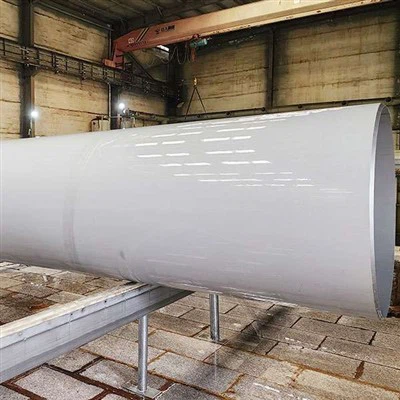
UNS S31600, also known as Stainless Steel 316, is a widely used austenitic stainless steel grade. As a supplier of UNS S31600, I am well - versed in its standard specifications, applications, and unique features. In this blog, I will delve deep into what the standard specification for UNS S31600 entails.

Chemical Composition
The chemical composition of UNS S31600 is a crucial factor that determines its properties. According to the standard, the following are the typical chemical composition ranges:
- Carbon (C): The carbon content in UNS S31600 is limited to a maximum of 0.08%. A lower carbon content helps to reduce the risk of carbide precipitation during welding and heat treatment, which can otherwise lead to intergranular corrosion.
- Silicon (Si): Silicon is present in a maximum amount of 1.00%. It acts as a deoxidizer during the steel - making process and also improves the resistance to oxidation at high temperatures.
- Manganese (Mn): The manganese content is restricted to a maximum of 2.00%. Manganese helps to improve the hot - working properties of the steel and also enhances its strength.
- Phosphorus (P): Phosphorus is limited to a maximum of 0.045%. High phosphorus content can make the steel brittle, especially at low temperatures, so its amount is carefully controlled.
- Sulfur (S): Sulfur is present in a maximum of 0.030%. It is generally considered an impurity, and a low sulfur content is desirable for better corrosion resistance and ductility.
- Chromium (Cr): Chromium is one of the key elements in stainless steel. In UNS S31600, the chromium content ranges from 16.00% to 18.00%. Chromium forms a passive oxide layer on the surface of the steel, which provides excellent corrosion resistance.
- Nickel (Ni): Nickel is present in a range of 10.00% to 14.00%. It enhances the austenitic structure of the steel, improves its toughness, and also contributes to its corrosion resistance, especially in chloride - containing environments.
- Molybdenum (Mo): Molybdenum is added in a range of 2.00% to 3.00%. It significantly improves the pitting and crevice corrosion resistance of the steel, making it suitable for use in aggressive environments such as seawater.
Physical Properties
- Density: The density of UNS S31600 is approximately 8.0 g/cm³. This value is important for applications where weight calculations are critical, such as in the aerospace and automotive industries.
- Melting Point: The melting point of UNS S31600 ranges from 1375°C to 1400°C. This high melting point allows the steel to withstand high - temperature applications without significant deformation.
- Thermal Conductivity: At room temperature, the thermal conductivity of UNS S31600 is about 16.2 W/(m·K). This property is relevant in applications where heat transfer is involved, such as in heat exchangers.
- Coefficient of Thermal Expansion: The coefficient of thermal expansion of UNS S31600 is approximately 16.0 × 10⁻⁶ /K. This value is important to consider in applications where the steel will be subjected to temperature changes, as it can affect the dimensional stability of the component.
Mechanical Properties
- Tensile Strength: The minimum tensile strength of UNS S31600 is typically 515 MPa. This high tensile strength makes it suitable for applications that require strong and durable materials, such as structural components.
- Yield Strength: The minimum yield strength is around 205 MPa. Yield strength indicates the stress at which the steel begins to deform plastically, and a sufficient yield strength is essential for many engineering applications.
- Elongation: The elongation at break is usually a minimum of 40%. A high elongation value indicates that the steel is ductile and can be easily formed into various shapes without cracking.
- Hardness: The hardness of UNS S31600 can vary depending on the heat treatment and cold - working processes. In the annealed condition, the Brinell hardness is typically around 217 HB.
Corrosion Resistance
One of the most significant advantages of UNS S31600 is its excellent corrosion resistance. The addition of chromium, nickel, and molybdenum makes it highly resistant to a wide range of corrosive environments.

- General Corrosion: UNS S31600 shows good resistance to general corrosion in many chemical solutions, including mild acids, alkalis, and salts. It can be used in industries such as chemical processing, food and beverage, and pharmaceuticals.
- Pitting and Crevice Corrosion: The molybdenum content in UNS S31600 provides enhanced resistance to pitting and crevice corrosion, especially in chloride - containing environments. This makes it a popular choice for applications in marine and offshore industries, such as seawater piping systems and coastal structures.
- Intergranular Corrosion: As mentioned earlier, the low carbon content in UNS S31600 helps to minimize the risk of intergranular corrosion. However, proper heat treatment and welding procedures are still required to ensure optimal resistance.
Applications
Due to its excellent properties, UNS S31600 has a wide range of applications:
- Food and Beverage Industry: The corrosion resistance and hygienic properties of UNS S31600 make it ideal for use in food processing equipment, such as storage tanks, pipelines, and mixing vessels.
- Chemical Industry: It is used in the construction of chemical reactors, distillation columns, and other equipment that comes into contact with corrosive chemicals.
- Marine and Offshore Industry: The high resistance to pitting and crevice corrosion in seawater makes UNS S31600 suitable for marine applications, including shipbuilding, offshore platforms, and desalination plants.
- Medical Industry: Its biocompatibility and corrosion resistance make it a common material for medical devices, such as surgical instruments and implants.
Comparison with Other Stainless Steel Grades
When compared with other stainless steel grades, UNS S31600 has its own unique advantages. For example, compared to Stainless Steel 310S / UNS S31008 / 1.4845, which is known for its high - temperature resistance, UNS S31600 has better corrosion resistance in chloride - containing environments. On the other hand, Stainless Steel 347H / UNS S34709 / 1.4961 has better resistance to intergranular corrosion at high temperatures, but UNS S31600 offers better pitting and crevice corrosion resistance. Stainless Steel 254SMO / F44 / UNS S31254 / 1.4547 is a super - austenitic stainless steel with even higher corrosion resistance than UNS S31600, but it is also more expensive.
Conclusion
In conclusion, the standard specification for UNS S31600 encompasses its chemical composition, physical and mechanical properties, corrosion resistance, and applications. As a supplier of UNS S31600, I understand the importance of meeting these standards to ensure the quality and performance of the steel. Whether you are in the food and beverage industry, chemical industry, marine and offshore industry, or medical industry, UNS S31600 can be a reliable choice for your applications.
If you are interested in purchasing UNS S31600 or have any questions about its specifications and applications, please feel free to contact us for further discussion. We are committed to providing high - quality products and excellent customer service.
References
- ASME Boiler and Pressure Vessel Code
- ASTM International Standards for Stainless Steel
- Metals Handbook, Volume 1: Properties and Selection: Irons, Steels, and High - Performance Alloys