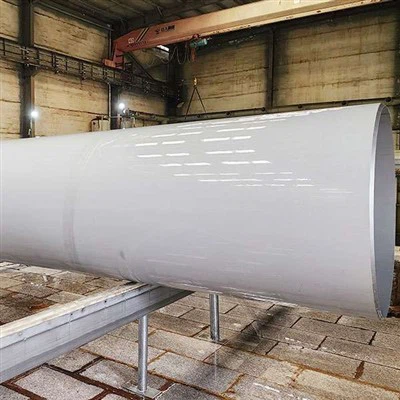
Hey there! As a supplier of duplex steel, I often get asked about the machinability of this amazing material. So, I thought I'd delve deep into this topic and share everything you need to know.
First off, let's understand what duplex steel is. Duplex steel is a type of stainless steel that has a two - phase microstructure, consisting of both austenite and ferrite phases. This unique combination gives it some really cool properties, like high strength, good corrosion resistance, and excellent weldability. But when it comes to machining, things can get a bit tricky.
Factors Affecting the Machinability of Duplex Steel
1. Hardness and Strength
Duplex steel is known for its high strength. While this is great for many applications, it can make machining more difficult. The higher the strength, the more force is required to cut through the material. This means that your cutting tools will experience more wear and tear. For example, when compared to regular austenitic stainless steels, duplex steel is much harder, which can lead to faster tool dulling.
2. Work - hardening Tendency
Another factor that affects the machinability of duplex steel is its work - hardening tendency. When you start machining duplex steel, the material can quickly harden in the area being cut. This hardened layer can then cause problems for the cutting tool, as it has to cut through an even tougher material. It's like trying to cut through a piece of rock that just keeps getting harder as you go. This work - hardening can also lead to poor surface finish on the machined part.
3. Chip Formation
The way chips are formed during machining is also crucial. In duplex steel, the chips can be long and stringy, which can cause them to wrap around the cutting tool. This not only affects the cutting process but can also damage the tool. Proper chip control is essential to ensure smooth machining. You might need to use techniques like chip breakers or appropriate cutting speeds to manage the chips effectively.
Machining Techniques for Duplex Steel
1. Cutting Speed
Selecting the right cutting speed is vital. Generally, a lower cutting speed is recommended for duplex steel compared to other materials. This helps to reduce the heat generated during machining, which in turn reduces the work - hardening effect. High cutting speeds can cause the material to heat up quickly, leading to faster tool wear and a worse surface finish.
2. Feed Rate
The feed rate, or how fast the cutting tool moves along the workpiece, also needs to be carefully considered. A too - high feed rate can cause excessive force on the tool, leading to breakage. On the other hand, a too - low feed rate can result in inefficient machining. You need to find the sweet spot that balances productivity and tool life.
3. Tool Selection
Choosing the right cutting tool is perhaps the most important aspect of machining duplex steel. Carbide tools are often a good choice because they are hard and can withstand the high forces involved in cutting duplex steel. Coated carbide tools can offer even better performance, as the coating can reduce friction and improve chip flow.
Different Types of Duplex Steel and Their Machinability
Duplex S31803 / F51 / 1.4462
This is one of the most commonly used duplex steels. It has a good balance of strength and corrosion resistance. In terms of machinability, it has similar characteristics to other duplex steels. However, due to its specific chemical composition, it might require slightly different machining parameters compared to some other grades. For example, the cutting speed and feed rate might need to be adjusted based on the specific application.
Duplex S32205 / F60
Duplex S32205 / F60 is another popular grade. It has higher strength and better corrosion resistance than some other grades. But this also means that it can be a bit more challenging to machine. The work - hardening tendency might be more pronounced, and you might need to be even more careful with tool selection and machining parameters.
Tips for Improving Machinability
1. Use Coolants
Coolants play a crucial role in machining duplex steel. They help to reduce the heat generated during cutting, which can prevent work - hardening and tool wear. There are different types of coolants available, such as water - based and oil - based coolants. You need to choose the right coolant based on your machining process and the specific requirements of the job.

2. Pre - machining Heat Treatment
In some cases, pre - machining heat treatment can be beneficial. This can help to reduce the hardness and work - hardening tendency of the duplex steel. However, heat treatment needs to be carefully controlled, as improper heat treatment can lead to changes in the material's microstructure and properties.
3. Post - machining Finishing
After machining, proper finishing operations are important. This can help to improve the surface finish and remove any residual stresses in the material. Operations like grinding or polishing can be used to achieve the desired surface quality.
Conclusion
So, there you have it! The machinability of duplex steel is a complex topic, but with the right knowledge and techniques, you can successfully machine this amazing material. As a duplex steel supplier, I'm always here to help you choose the right grade of duplex steel for your application and provide you with any advice on machining. If you're interested in purchasing duplex steel or have any questions about its machinability, don't hesitate to get in touch. We can have a detailed discussion about your specific needs and find the best solutions for you.
References
- ASM Handbook Volume 16: Machining.
- Stainless Steel World Magazine articles on duplex steel machining.