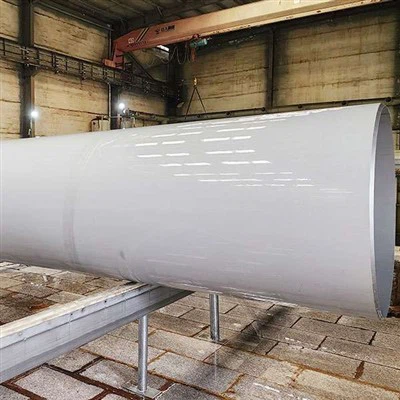
Hey there! I'm a supplier of Duplex S32205, and today I wanna chat about the effect of post - heating on the welding of Duplex S32205.
First off, let's get a bit of background on Duplex S32205. It's a super useful duplex stainless steel with a balanced structure of ferrite and austenite. This unique composition gives it some great properties, like high strength and excellent corrosion resistance. If you wanna know more about it, check out this link: Duplex S32205 / F60.
Now, when it comes to welding Duplex S32205, it's not as simple as just joining two pieces of metal together. Welding can cause some changes in the microstructure of the steel, and that's where post - heating comes in.
Why Post - Heating?
Post - heating is like a little "after - care" for the welded joint. During the welding process, high temperatures are involved. This can lead to issues such as the formation of harmful phases, residual stresses, and a change in the balance between ferrite and austenite in the duplex structure.
One of the main reasons for post - heating is to reduce residual stresses. When you weld two pieces of metal, the rapid heating and cooling create internal stresses within the material. These stresses can weaken the welded joint and make it more prone to cracking over time. Post - heating helps to relax these stresses by allowing the metal to expand and contract more evenly.
Another important aspect is the phase transformation. In Duplex S32205, the right balance between ferrite and austenite is crucial for its properties. Welding can disrupt this balance, and post - heating can help to restore it. By carefully controlling the post - heating temperature and time, we can encourage the formation of the desired phases and improve the overall quality of the welded joint.
How Does Post - Heating Affect the Microstructure?
Let's dig a bit deeper into how post - heating changes the microstructure of the welded Duplex S32205.
When we post - heat the welded joint, we're basically giving the atoms in the metal a chance to move around and rearrange themselves. At elevated temperatures, the diffusion rate of atoms increases. This allows for the formation of a more stable and uniform microstructure.
For example, in some cases, welding can cause the formation of sigma phase. The sigma phase is a brittle intermetallic compound that can significantly reduce the toughness and corrosion resistance of the steel. Post - heating at the right temperature can break down this sigma phase and convert it back into a more desirable phase.
Also, post - heating can help to increase the amount of austenite in the welded area. Austenite is important because it gives the steel better ductility and toughness. By adjusting the post - heating parameters, we can fine - tune the austenite content and make the welded joint more resistant to cracking and corrosion.
Effects on Corrosion Resistance
Corrosion resistance is one of the key selling points of Duplex S32205. So, how does post - heating affect it?
Well, as I mentioned earlier, post - heating can improve the microstructure of the welded joint. A more uniform and stable microstructure means better corrosion resistance. When the balance between ferrite and austenite is restored, the steel becomes more resistant to various types of corrosion, such as pitting corrosion and crevice corrosion.
However, it's important to note that if the post - heating is not done correctly, it can actually have a negative impact on corrosion resistance. For example, if the temperature is too high or the time is too long, it can lead to the formation of new harmful phases or the depletion of alloying elements at the grain boundaries. This can make the steel more susceptible to corrosion.
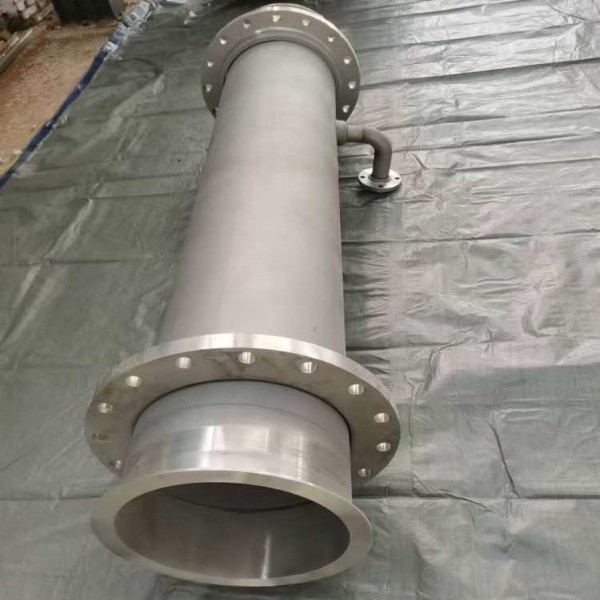

Effects on Mechanical Properties
Mechanical properties like strength, toughness, and hardness are also affected by post - heating.
Strength is an important property for any welded joint. Post - heating can help to improve the strength by reducing residual stresses and optimizing the microstructure. When the internal stresses are relaxed, the joint can better withstand external loads without failing.
Toughness is another crucial property. A tough welded joint can absorb energy without cracking. Post - heating can increase the toughness of the welded Duplex S32205 by promoting the formation of a more ductile microstructure, especially by increasing the austenite content.
Hardness is also influenced by post - heating. In some cases, welding can cause an increase in hardness in the heat - affected zone. This can make the joint more brittle. Post - heating can help to reduce this excessive hardness and make the joint more workable.
Comparison with Other Duplex Steels
It's interesting to compare the effect of post - heating on Duplex S32205 with other duplex steels, like Duplex S31803 / F51 / 1.4462.
Both Duplex S32205 and S31803 are duplex stainless steels, but they have slightly different chemical compositions and properties. The post - heating requirements for these two steels may vary.
For example, Duplex S32205 has a higher alloy content than S31803. This means that it may be more sensitive to the post - heating temperature and time. A small change in the post - heating parameters can have a more significant impact on the microstructure and properties of Duplex S32205 compared to S31803.
Optimal Post - Heating Parameters
So, what are the optimal post - heating parameters for Duplex S32205? Well, it depends on several factors, such as the welding method, the thickness of the material, and the specific application.
In general, the post - heating temperature for Duplex S32205 usually ranges from 250°C to 400°C. This temperature range is high enough to reduce residual stresses and promote phase transformation but not too high to cause any negative effects.
The post - heating time also varies. It can be anywhere from 30 minutes to a few hours, depending on the size and complexity of the welded joint.
It's important to note that these are just general guidelines. In practice, it's often necessary to conduct some tests and experiments to determine the best post - heating parameters for a specific welding job.
Conclusion
In conclusion, post - heating plays a crucial role in the welding of Duplex S32205. It can significantly improve the quality of the welded joint by reducing residual stresses, optimizing the microstructure, and enhancing the corrosion resistance and mechanical properties.
However, it's not a one - size - fits - all solution. The post - heating parameters need to be carefully selected based on the specific circumstances of the welding job.
If you're in the market for Duplex S32205 and have any questions about welding or post - heating, feel free to reach out for a chat. I'm here to help you make the most of this amazing material.
References
- "Duplex Stainless Steels: Welding and Applications" by some well - known experts in the field.
- Technical reports from leading steel research institutions.