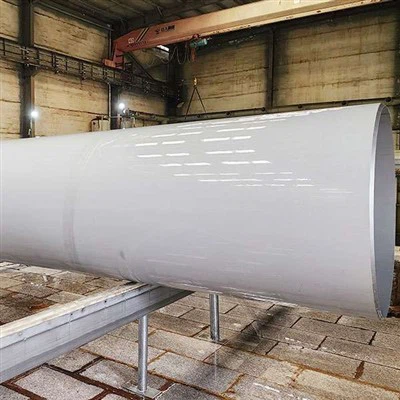
Hey there! As a supplier of UNS N08367, I often get asked about the surface finishing options for this super-duplex stainless steel. UNS N08367, also known as Alloy 36, is a high-performance alloy that offers excellent corrosion resistance, high strength, and good weldability. It's used in a wide range of industries, including chemical processing, marine, and oil and gas.
In this blog post, I'll walk you through the different surface finishing options available for UNS N08367, and how each one can enhance the performance and appearance of the alloy.
Mechanical Finishing
Mechanical finishing involves using physical processes to modify the surface of the alloy. This can include grinding, polishing, sanding, and buffing. These processes can be used to achieve a variety of finishes, from a rough, matte finish to a smooth, mirror-like finish.
Grinding
Grinding is a common mechanical finishing process that uses abrasive wheels to remove material from the surface of the alloy. This can be used to remove surface defects, such as scratches and burrs, and to create a uniform surface finish. Grinding can be done using a variety of abrasive materials, including aluminum oxide, silicon carbide, and diamond.
Polishing
Polishing is a more refined form of mechanical finishing that uses finer abrasives to create a smooth, shiny surface. Polishing can be done using a variety of techniques, including buffing, lapping, and electro-polishing. Buffing involves using a soft, rotating wheel coated with a polishing compound to apply pressure and friction to the surface of the alloy. Lapping involves using a flat, abrasive surface to rub against the alloy to create a smooth, flat finish. Electro-polishing involves using an electric current to remove material from the surface of the alloy, creating a smooth, shiny finish.


Sanding
Sanding is a less aggressive form of mechanical finishing that uses sandpaper or abrasive pads to smooth the surface of the alloy. Sanding can be used to remove surface defects, such as scratches and burrs, and to create a uniform surface finish. Sanding can be done using a variety of grits, from coarse to fine, depending on the desired finish.
Chemical Finishing
Chemical finishing involves using chemical processes to modify the surface of the alloy. This can include passivation, pickling, and electroplating. These processes can be used to improve the corrosion resistance, appearance, and durability of the alloy.
Passivation
Passivation is a chemical process that involves treating the surface of the alloy with an acid solution to remove free iron and other contaminants from the surface. This creates a thin, protective oxide layer on the surface of the alloy, which improves its corrosion resistance. Passivation is typically done using a solution of nitric acid and water, although other acids can also be used.
Pickling
Pickling is a chemical process that involves treating the surface of the alloy with an acid solution to remove scale, rust, and other contaminants from the surface. This creates a clean, smooth surface that is ready for further finishing or coating. Pickling is typically done using a solution of hydrochloric acid and water, although other acids can also be used.
Electroplating
Electroplating is a chemical process that involves depositing a thin layer of metal onto the surface of the alloy using an electric current. This can be used to improve the appearance, corrosion resistance, and wear resistance of the alloy. Electroplating can be done using a variety of metals, including nickel, chrome, and gold.
Thermal Finishing
Thermal finishing involves using heat to modify the surface of the alloy. This can include annealing, quenching, and tempering. These processes can be used to improve the strength, hardness, and ductility of the alloy.
Annealing
Annealing is a thermal process that involves heating the alloy to a specific temperature and then cooling it slowly. This can be used to relieve internal stresses in the alloy, improve its ductility, and reduce its hardness. Annealing is typically done in a furnace at a temperature between 1,000°F and 1,200°F.
Quenching
Quenching is a thermal process that involves heating the alloy to a specific temperature and then cooling it rapidly. This can be used to increase the hardness and strength of the alloy. Quenching is typically done by immersing the alloy in a liquid, such as water or oil.
Tempering
Tempering is a thermal process that involves heating the alloy to a specific temperature and then cooling it slowly. This can be used to reduce the hardness and brittleness of the alloy, while maintaining its strength and toughness. Tempering is typically done in a furnace at a temperature between 300°F and 1,000°F.
Coating
Coating involves applying a layer of material to the surface of the alloy to improve its performance and appearance. This can include painting, powder coating, and galvanizing. These processes can be used to protect the alloy from corrosion, wear, and other environmental factors, and to enhance its aesthetic appeal.
Painting
Painting is a common coating process that involves applying a layer of paint to the surface of the alloy. This can be used to protect the alloy from corrosion, wear, and other environmental factors, and to enhance its aesthetic appeal. Painting can be done using a variety of techniques, including spray painting, brush painting, and dip painting.
Powder Coating
Powder coating is a more advanced form of coating that involves applying a dry powder to the surface of the alloy using an electrostatic charge. The powder is then heated to a specific temperature, causing it to melt and form a smooth, durable coating. Powder coating can be used to protect the alloy from corrosion, wear, and other environmental factors, and to enhance its aesthetic appeal.
Galvanizing
Galvanizing is a coating process that involves applying a layer of zinc to the surface of the alloy. This can be used to protect the alloy from corrosion, especially in outdoor or marine environments. Galvanizing can be done using a variety of techniques, including hot-dip galvanizing and electro-galvanizing.
Choosing the Right Surface Finish
Choosing the right surface finish for UNS N08367 depends on a variety of factors, including the application, the environment, and the desired appearance. Here are some tips to help you choose the right surface finish for your project:
- Consider the application: The surface finish you choose should be appropriate for the application. For example, if the alloy will be used in a high-stress environment, you may want to choose a finish that provides high strength and durability. If the alloy will be used in a corrosive environment, you may want to choose a finish that provides excellent corrosion resistance.
- Consider the environment: The surface finish you choose should also be appropriate for the environment in which the alloy will be used. For example, if the alloy will be used in an outdoor or marine environment, you may want to choose a finish that provides excellent corrosion resistance. If the alloy will be used in a high-temperature environment, you may want to choose a finish that provides high heat resistance.
- Consider the desired appearance: The surface finish you choose should also be appropriate for the desired appearance of the alloy. For example, if you want the alloy to have a smooth, shiny finish, you may want to choose a polishing or electroplating finish. If you want the alloy to have a rough, matte finish, you may want to choose a grinding or sanding finish.
Conclusion
In conclusion, there are a variety of surface finishing options available for UNS N08367, each with its own advantages and disadvantages. By understanding the different surface finishing options and choosing the right one for your project, you can enhance the performance and appearance of the alloy.
If you're interested in learning more about UNS N08367 or any of our other alloy products, please don't hesitate to contact us. We'd be happy to help you choose the right alloy and surface finish for your project.
When it comes to comparing with other stainless - steels, you might also be interested in Stainless Steel 304 / UNS S30400 / 1.4301, Stainless Steel 904L / UNS N08904 / 1.4539, and Stainless Steel 254SMO / F44 / UNS S31254 / 1.4547. These alloys have their own unique properties and surface - finishing requirements.
We're always here to assist you in making the best choice for your specific needs. Whether you're in the chemical processing, marine, or oil and gas industry, our team of experts can guide you through the selection process. So, if you're thinking about a purchase, reach out to us for a detailed discussion and let's start a great business relationship!
References
- ASM Handbook Volume 5: Surface Engineering.
- Stainless Steel World magazine articles on alloy surface finishing.
- Manufacturer's technical data sheets for UNS N08367.